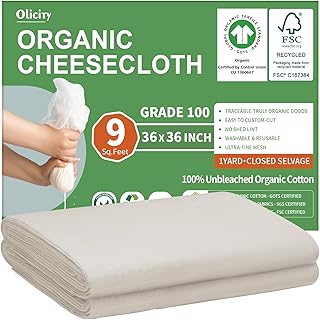
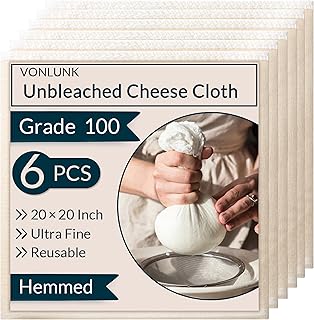
For centuries, a simple piece of fabric has been an indispensable tool in kitchens, dairies, and craft rooms worldwide. That tool is cheesecloth. Far more than just a cloth for making cheese, this versatile material is a multi-purpose workhorse for anyone who loves to cook, bake, juice, or create. In this comprehensive guide, we'll explore the many uses of cheesecloth, demystify the different grades and types, and provide expert tips on selecting, using, and caring for the best reusable cheesecloth for all your needs.
What is Cheesecloth? More Than Just a Name
At its core, cheesecloth is a lightweight, gauzy cotton fabric with a loose, open weave. Its name originates from its traditional use in cheesemaking, where it's used to drain whey from curds, wrap aging cheeses, and strain milk. However, its utility extends far beyond the dairy. The fabric's unique properties—porous yet strong, absorbent yet quick-drying—make it perfect for a myriad of tasks where fine straining, gentle wrapping, or breathable covering is required. Modern reusable cheesecloth is often made from 100% unbleached cotton and features hemmed edges for durability, transforming it from a single-use item into a sustainable kitchen staple.
Understanding Cheesecloth Grades: From Loose to Ultra-Dense
Not all cheesecloth is created equal. It is categorized by "grade," which refers to the number of threads per inch in each direction. The grade determines the fabric's density and what it's best suited for.
- Grade 10-40: Very loose weave. Ideal for protecting plants from insects, polishing silver, or light dusting.
- Grade 50-60: Medium weave. Good for bundling herbs (bouquet garni), wrapping poultry for roasting, or light straining of stocks.
- Grade 80-90: Fine weave. Excellent for straining yogurt, clarifying butter, and making nut milks.
- Grade 100: Ultra-dense weave. This is the professional-grade, often called "butter muslin." It's perfect for straining fine particles, making soft cheeses like ricotta or paneer, juicing, and any task where you want zero sediment. A product like the 12Pcs Reusable Cheese Cloths in Grade 100 represents the pinnacle of this category, offering superior filtration and reusability.
The Many Uses of Reusable Cheesecloth in Your Kitchen
1. Culinary & Cooking Applications
This is where cheesecloth truly shines. Its food-safe, unbleached nature makes it ideal for direct contact with ingredients.
- Cheesemaking: The classic use. It drains whey, molds soft cheeses, and wraps aging hard cheeses, allowing them to breathe.
- Straining & Clarifying: Use it to strain stocks, broths, and soups for a crystal-clear result. It's essential for clarifying butter into ghee.
- Herb & Spice Bundles: Create a bouquet garni by tying herbs like thyme, parsley, and bay leaf inside a small square. Easily remove it before serving.
- Yogurt & Labneh: Strain yogurt to make thick Greek yogurt or the delicious Middle Eastern spread, labneh.
2. Baking & Desserts
Bakers rely on cheesecloth for precision and cleanliness. As a baking strainer, it's perfect for dusting surfaces with flour or cocoa powder without clumps. It can be used to wrap and squeeze moisture from grated vegetables like zucchini for cakes, or to strain fruit purees for smooth fillings and curds.
3. Juicing & Beverages
For fresh juices, nut milks, or infused spirits, a juicing cloth is superior to metal sieves. It catches all the fine pulp and sediment, resulting in a silky-smooth almond milk, clear citrus juice, or perfectly infused vodka without any floaties. The dense weave of Grade 100 cloth is particularly effective here.
4. Crafts & Home Uses
Beyond the kitchen, crafts fabric like cheesecloth is incredibly versatile. It can be dyed and used for Halloween decorations, gift wrapping, rustic wedding decor, or as a base for embroidery. Its loose weave makes it easy to manipulate and shape.
Why Choose 100% Unbleached Cotton Cheesecloth?
When selecting cheesecloth, material matters. Unbleached cotton cheesecloth is the gold standard for several reasons:
- Food Safety: Unbleached means no chlorine or harsh chemicals were used in processing, so no residues transfer to your food.
- Strength & Durability: Cotton fibers are strong, especially when the edges are hemmed, allowing the cloth to be washed and reused dozens of times.
- Sustainability: Reusable cloth eliminates waste compared to disposable, single-use versions. Cotton is also a natural, biodegradable material.
- Performance: Natural cotton is highly absorbent and provides consistent straining performance wash after wash.
How to Choose the Best Reusable Cheesecloth: A Buyer's Guide
With so many options, here's what to look for:
- Grade for Your Task: Match the grade to your primary use. For all-purpose kitchen tasks, Grade 90 or 100 is most versatile.
- Material: Always opt for 100% unbleached cotton. Avoid blends or synthetic materials.
- Construction: Hemmed edges are crucial for reusability. They prevent fraying and make the cloth much more durable.
- Size & Quantity: Consider how you'll use it. A 20x20 inch size is very versatile for straining over bowls or bundling. Having a multi-pack, like a set of 12, ensures you always have a clean one ready.
- Density: For tasks like making cheese or juicing, an ultra-dense cheesecloth (Grade 100) is a worthwhile investment to prevent any curd loss or sediment.
Care & Maintenance: Making Your Cheesecloth Last
Proper care extends the life of your reusable cheesecloth significantly. After use, rinse it immediately under cold water to remove food particles. For stubborn stains or odors, soak it in a solution of baking soda and water. Hand-wash or machine wash on a gentle cycle with mild detergent. Avoid fabric softeners, as they can coat the fibers and reduce absorbency. Always air dry; high heat from a dryer can weaken the cotton fibers. With good care, a high-quality hemmed cheesecloth can be reused 50 times or more.
Beyond Cheese: Creative Projects with Muslin Cloth
The characteristics that make cheesecloth great for straining also make it fantastic for crafts. As a muslin cloth strainer in the kitchen, it's precise; in the craft room, it's ethereal. Use it to create ghost figures for Halloween, as a natural-looking wrap for gifts, to make simple drawstring bags for sachets, or as a delicate fabric for eco-printing with leaves and flowers. Its affordability and ease of use make it perfect for experimentation.
Final Verdict: Is a Reusable Cheesecloth Set Worth It?
Absolutely. For anyone who enjoys from-scratch cooking, baking, or DIY projects, a set of high-quality, reusable cheesecloths is a minor investment with major returns. It replaces a host of single-use items like paper coffee filters, disposable strainer bags, and cheap gauze, offering superior performance, cost savings over time, and an eco-friendly alternative. By choosing a versatile set like the 12Pcs Reusable Cheese Cloths in Grade 100, you're equipping your kitchen with a professional-grade tool that will handle everything from clarifying consomme to crafting your own fresh mozzarella for years to come. Embrace the versatility of this humble fabric and discover just how essential a good cheesecloth can be.