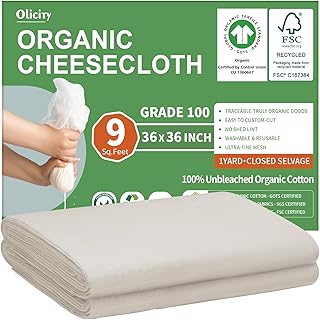
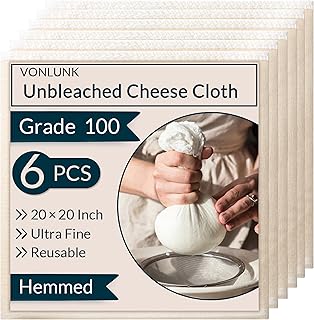
If you've ever tackled a recipe that called for cheesecloth, you might have paused, wondering exactly what it is and why it's so essential. Far from being a niche tool just for dairy artisans, cheesecloth is a versatile, multi-purpose fabric that belongs in every serious cook's and crafter's toolkit. This comprehensive guide will demystify cheesecloth, exploring its myriad uses, how to select the perfect grade for your project, and best practices for care—especially if you invest in a high-quality, reusable option like a soft and durable 6-pack.
What is Cheesecloth? More Than Just for Cheese
At its core, cheesecloth is a lightweight, gauzy cotton fabric with a loose, open weave. Its name comes from its traditional role in cheesemaking, where it's used to drain whey from curds, shaping and forming the final product. However, its utility extends far beyond the cheese cave. The fabric's unique structure—allowing liquids and fine particles to pass through while holding back solids—makes it indispensable for straining, bundling, polishing, and even cleaning.
Understanding Cheesecloth Grades: From Loose to Ultra-Dense
Not all cheesecloth is created equal. It's categorized by "grade," which refers to the number of threads per inch in each direction. The grade determines the fabric's density and, consequently, its best uses.
- Grade 10 (Very Loose): Ideal for protecting plants from pests or covering food.
- Grade 40 & 50 (Medium): Good for straining stocks or bundling herbs.
- Grade 60 & 70 (Fine): Excellent for making yogurt cheese or straining nut milks.
- Grade 90 & 100 (Ultra-Fine/Butter Muslin): The gold standard. This ultra-dense weave is perfect for straining very fine particles, making soft cheeses like ricotta or quark, and clarifying butter. A reusable cheesecloth in Grade 100, like our featured 6-pack, offers superior durability for repeated tasks.
The Many Uses of Cheesecloth in Your Kitchen and Home
1. Culinary and Cooking Applications
This is where cooking cheesecloth truly shines. Use it to make homemade cheese (ricotta, paneer, farmer's cheese), strain stocks and broths to crystal-clear perfection, bundle bouquet garni herbs for easy removal, wrap citrus zest for infusions, or strain yogurt to make Greek yogurt or labneh. Its role in cheesemaking supplies is foundational, but its kitchen utility is boundless.
2. Straining and Filtering
Beyond broths, a straining cloth is perfect for making nut milks, filtering fruit pulp for clear juices or cocktails, straining homemade vinegar, or separating solids from infused oils. The fine weave of a high-grade cloth ensures no gritty particles make it through to your final product.
3. Household and Crafting Uses
Cheesecloth is a secret weapon for polishing silver (dipped in a paste), applying wood stain evenly, creating special effects in painting, or even as a gentle, lint-free cleaning cloth for delicate surfaces. Its soft, cotton cheesecloth composition makes it safe for a variety of non-food tasks.
Why Choose a Reusable, High-Grade Cheesecloth?
While disposable cheesecloth is available, investing in a quality reusable set is a game-changer in terms of economy, performance, and sustainability. A product like the High-Grade 100 Cheesecloth 6-Pack is designed for longevity. The lock-edged seams prevent fraying, the soft yet durable cotton can withstand repeated washing, and the high thread count provides a consistent, fine filter. You save money over time, reduce waste, and get better results with a tool that won't fall apart during a crucial straining step.
How to Use and Care for Your Reusable Cheesecloth
Proper care maximizes the life of your cloth. After use, rinse it immediately under cold water to remove most food particles. For stubborn residues like dairy fats, soak it in warm water with a bit of baking soda. Hand-wash or machine wash on a gentle cycle with mild detergent. Avoid fabric softeners, as they can clog the weave. Always air dry; high heat from a dryer can weaken the fibers. Before first use, it's a good idea to rinse and wring out the cloth to remove any loose lint.
Choosing the Best Cheesecloth for Your Needs: A Buyer's Guide
When selecting cheesecloth, consider these factors:
- Grade/Weave Density: Match the grade to your task. For fine straining and cheesemaking, never settle for less than Grade 90 or 100.
- Material: 100% unbleached cotton is the standard for food safety, absorbency, and strength.
- Construction: Look for lock-stitched or serged edges ("lock-edged") to prevent unraveling with use and wash.
- Size & Quantity: A 20x20 inch square is a versatile size for most tasks. A multi-pack ensures you always have a clean one ready and allows for different uses simultaneously.
- Reusability: For frequent users, a durable, reusable option is more economical and eco-friendly than thin, single-use sheets.
Common Cheesecloth Mistakes to Avoid
Even with the right tool, mistakes can happen. Avoid using a grade that's too loose for fine straining—you'll end up with sediment in your broth or cheese. Don't wring out a cheesecloth-filled bundle too aggressively, as it can tear the fabric or force solids through the weave. Never use a cloth treated with chemicals, fragrances, or dyes for food purposes. Lastly, don't assume all cheesecloth is reusable; flimsy, low-grade versions are meant for one-time use.
Expert Tips for Perfect Results Every Time
For kitchen straining, always dampen the cheesecloth before use. This helps it adhere to the rim of your strainer or bowl, prevents it from absorbing too much of your valuable liquid (like stock), and can reduce lint transfer. When making cheese, line your mold or colander with multiple layers for extra support if needed. For bundling herbs or spices, create a secure pouch and tie it tightly with kitchen twine.
Conclusion: Elevate Your Kitchen Craft with the Right Cloth
Cheesecloth is a humble yet profoundly useful tool that bridges the gap between simple home cooking and artisanal food preparation. Understanding its grades and applications unlocks a new level of culinary capability. By choosing a high-quality, reusable option like a durable Grade 100 cotton cloth, you're not just buying a kitchen accessory—you're investing in a versatile partner for countless projects, from clarifying butter to crafting the perfect homemade cheese. Explore the possibilities and see how this simple fabric can transform your results in the kitchen and beyond.