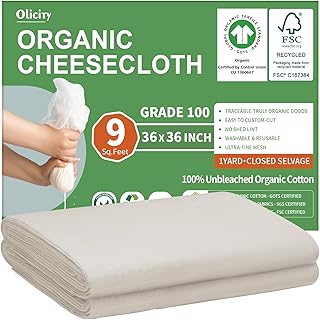
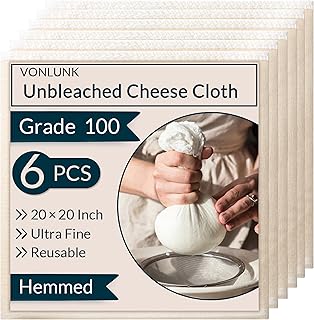
For centuries, cheesecloth has been an indispensable, multi-purpose tool in kitchens around the world. Far from being a single-use item, high-quality cheesecloth is a durable, reusable fabric that can tackle a surprising variety of culinary tasks, from straining homemade yogurt to creating a perfectly moist turkey. If you've ever wondered about the different types, the mysterious "grades," or how to select the right one for your project, this comprehensive guide is for you. We'll demystify this essential kitchen cloth and show you why investing in a good set, like a precut, hemmed, and reusable set, is a game-changer for any home cook or food enthusiast.
What is Cheesecloth? More Than Just for Cheese
At its core, cheesecloth is a lightweight, gauzy cotton fabric with a loose, open weave. Its name originates from its traditional use in cheesemaking, where it's used to drain whey from curds, shaping and pressing cheeses like paneer, ricotta, and farmer's cheese. However, its utility extends far beyond the cheese cave. This versatile cloth acts as a filter, a strainer, a bundler, and a protective layer. Modern cheesecloth is often made from 100% unbleached, food-safe cotton, ensuring no chemicals or dyes leach into your food. The key to its versatility lies in its weave density, which is categorized by "grade."
Understanding Cheesecloth Grades: From Loose to Ultra-Fine
Not all cheesecloth is created equal. The "grade" refers to the number of threads per inch in each direction, determining how tightly the fabric is woven. Choosing the wrong grade can lead to frustration—like fine sediment passing through or a cloth that's too thick to drain properly.
- Grade 10 (Very Loose): The most open weave. Ideal for protecting plants from pests, polishing silver, or crafting.
- Grade 40 & 50 (Light Filtering): Good for straining stocks and broths to remove large solids, or bundling herbs for a bouquet garni.
- Grade 60 & 70 (Medium/All-Purpose): The workhorse grade. Perfect for making Greek yogurt, straining fruit pulps for jellies, or wrapping a turkey for roasting.
- Grade 80 & 90 (Fine Filtering): Excellent for straining nut milks, clarifying consommés, or making fine cheese like queso fresco.
- Grade 100 (Ultra-Fine/Butter Muslin): The finest, tightest weave. This is the gold standard for tasks requiring zero sediment, such as straining cultured butter, making ultra-smooth yogurt, or clarifying butter into ghee. A reusable cheesecloth in Grade 100, like our featured set, offers unparalleled performance for delicate tasks.
Top Uses for Cheesecloth in Your Kitchen
The applications for this simple fabric are nearly endless. Here are some of the most popular and practical ways to use it.
1. Cheesemaking & Dairy
This is its namesake use. Cheesecloth lines molds, drains whey, and helps press curds into shape. For soft cheeses, a medium grade (60-70) works well. For hard cheeses or when you need to catch every tiny curd, a food grade cheesecloth in Grade 90 or 100 is essential.
2. Straining Yogurt & Making Labneh
Transform regular yogurt into thick, creamy Greek yogurt or labneh by straining it through cheesecloth suspended over a bowl. A finer grade (80-100) will give you a thicker, smoother result without any graininess, and a reusable option makes this a cost-effective daily practice.
3. Juicing & Clarifying
When making fresh citrus juice, ginger juice, or nut milks, a juicing cheesecloth is perfect for separating pulp from liquid. It's also the traditional tool for clarifying broths and consommés to a crystal-clear finish, requiring a tight Grade 90 or 100 weave.
4. Cooking & Roasting
A cooking cheesecloth is a secret weapon for moist poultry. Soak it in butter or stock, drape it over a turkey or chicken breast during roasting, and it bastes the meat while preventing the skin from burning. It's also ideal for making spice sachets or bundling fresh herbs.
5. Infusing Oils & Vinegars
Create your own garlic-infused olive oil or herb vinegar by placing ingredients in cheesecloth before submerging them. The cloth contains the solids while allowing the flavors to permeate the liquid, and makes removal clean and easy.
Why Choose Unbleached, Reusable Cheesecloth?
Many cheap, disposable cheesecloths are bleached and have a very loose, fragile weave. Investing in a high-quality, unbleached cotton cheesecloth offers significant advantages:
- Safety: Unbleached means no chlorine or chemical residues. It's pure, food-safe cotton.
- Durability: A tighter weave and hemmed edges (like those on our precut set) prevent fraying and allow the cloth to be washed and reused dozens of times.
- Performance: A consistent, tight weave (high grade) gives you reliable results, whether you're straining yogurt or clarifying butter.
- Cost-Effectiveness: While the initial cost is higher than a disposable pack, a reusable set pays for itself over time and reduces waste.
- Versatility: A single set of high-grade, muslin cloth squares can handle everything from fine straining to rustic bundling.
How to Choose the Best Cheesecloth for Your Needs: A Buyer's Guide
With so many options, making the right choice is crucial. Follow this checklist to find your perfect match.
- Identify Your Primary Use: Are you mostly straining yogurt (fine grade) or making stock (medium grade)? Your most common task dictates the necessary grade.
- Prioritize Material: Always opt for 100% unbleached cotton for food safety. Avoid blends or mystery fabrics.
- Check the Weave (Grade): For multi-purpose kitchen use, a Grade 70-90 offers great flexibility. For dedicated fine work like ghee or nut milk, invest in Grade 100.
- Look for Durability Features: Hemmed edges are a sign of quality. They prevent fraying and make the cloth last much longer. Precut squares save time and ensure consistent size.
- Consider Quantity & Value: A multi-pack is often more economical. A set like our 6 Pcs Cheese Cloths for Straining provides enough cloths to rotate while others are being washed, making processes like continuous yogurt straining much more convenient.
Caring for Your Reusable Cheesecloth
Proper care extends the life of your cloths significantly. After use, rinse them immediately in cold water to remove most food particles. For stubborn stains (like turmeric or tomato), soak in a baking soda solution. Hand wash or machine wash on a gentle cycle with mild detergent. Avoid fabric softeners as they can clog the weave. Air dry is best; high heat can shrink or weaken the cotton fibers. With proper care, a high-quality set can last for years.
Final Verdict: Elevate Your Kitchen with the Right Tool
Cheesecloth is a testament to the idea that the simplest tools are often the most powerful. Moving from flimsy, disposable sheets to a robust, reusable cheesecloth made from unbleached cotton will transform your cooking and food prep projects. You'll achieve better results, from silkier yogurts to clearer broths, and do so in a more sustainable, economical way. For those ready to make the upgrade, a versatile, precut, and hemmed set in a high grade like the one we've discussed offers the perfect balance of performance, convenience, and longevity. It's not just a piece of fabric; it's an investment in your culinary craft.