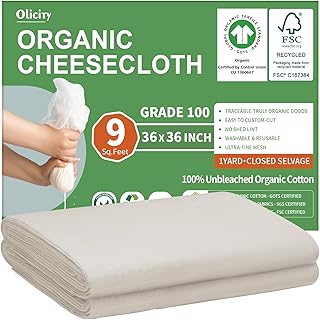
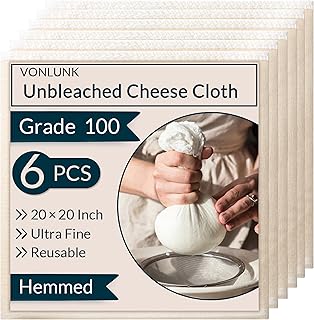
If you've ever tried to strain yogurt, make cheese, or polish silver, you've likely encountered the humble yet indispensable cheesecloth. This versatile fabric is a staple in kitchens, workshops, and craft rooms worldwide. But not all cheesecloths are created equal. Choosing the wrong type can lead to frustrating results, like sediment in your broth or cheese curds slipping through. This comprehensive guide will demystify cheesecloth, covering its many uses, the critical differences between grades, and how to select the perfect one for your needs, whether you're a seasoned cheesemaker or a DIY enthusiast.
What is Cheesecloth? More Than Just for Cheese
At its core, cheesecloth is a lightweight, gauzy cotton fabric with a loose, open weave. Its name comes from its traditional use in cheesemaking, where it's used to drain whey from curds. However, its utility extends far beyond the dairy. The fabric's breathable, absorbent, and non-abrasive nature makes it ideal for a multitude of tasks. It's typically sold in bolts, by the yard, or in convenient precut cheesecloth squares, which save time and reduce waste. Understanding its basic properties is the first step to unlocking its full potential.
The Many Uses of Cheesecloth: From Kitchen to Workshop
In the Kitchen (Its Natural Habitat)
The kitchen is where cheesecloth truly shines. Its primary function is straining and filtering. Use it to make crystal-clear stocks and broths by tying herbs and spices into a bouquet garni and straining out impurities. It's essential for straining yogurt to make Greek yogurt or labneh, for draining tofu, and for making nut milks. Of course, its namesake use is in cheese making, from soft cheeses like paneer and queso fresco to draining harder cheeses. It's also perfect for bundling herbs for steeping, polishing vegetables, and even wrapping poultry or fish for poaching to keep them intact.
Crafting and Home DIY
Beyond the stove, cheesecloth is a crafter's friend. Its ethereal drape makes it perfect for ghost costumes, Halloween decorations, and theatrical scrims. You can dye it for colorful banners or use it as a base for papier-mâché. In home care, it's an excellent, lint-free cloth for polishing glass, mirrors, and silverware to a streak-free shine. Gardeners use it to protect plants from pests or to dry herbs and flowers.
Cleaning and Polishing
As a cooking cloth and cleaning cloth, its soft, untextured surface won't scratch delicate items. It's superior to paper towels for applying wax or polish to furniture or cars, as it holds the product without falling apart.
Understanding Cheesecloth Grades: The Key to Success
This is the most crucial part of choosing cheesecloth. Grades are numbered based on the number of threads per inch in each direction (warp and weft). A higher grade number means a tighter, denser weave.
- Grade 10 (Very Loose): The most open weave. Best for decorative purposes, like Halloween cobwebs or costume draping. It's too loose for most straining tasks.
- Grade 40 (Loose): Good for straining large particles, like bundling herbs or making sachets. Can be used for some cheesemaking but may let very small curds through.
- Grade 50 (Medium): A good all-purpose kitchen grade. Suitable for straining stocks, making nut milks, and some softer cheeses.
- Grade 60 (Fine): Excellent for finer tasks like clarifying butter (making ghee), straining fine sediments from wine or vinegar, and making yogurt cheese.
- Grade 90 (Extra Fine): Used for tasks requiring an extremely fine filter, like some chemical processes or very fine craft projects.
- Grade 100 (Ultra Fine / Butter Muslin): This is the premium, ultra-dense weave. It's the gold standard for serious cheese making, as it holds even the tiniest curds. It's also ideal for making the smoothest nut milks, clarifying consommés, and any project where you want zero sediment or particles passing through. A product like our Precut Cheesecloth in Grade 100 offers this professional quality in a convenient, ready-to-use format.
Bleached vs. Unbleached Cheesecloth: What's the Difference?
You'll often see cheesecloth labeled as bleached or unbleached. Bleached cheesecloth undergoes a chemical process to achieve a bright white color. While visually appealing, some of these chemicals may remain in the fabric. Unbleached cheesecloth, like the one in our featured pack, retains its natural, off-white cotton color. It is generally preferred for food-related applications because it hasn't been treated with bleach, making it a purer, more natural choice, especially for those who are chemically sensitive or prefer organic materials. It's the safer bet for direct food contact.
How to Choose the Right Cheesecloth: A Buyer's Guide
Selecting the correct cheesecloth prevents project failure. Follow this decision tree:
- Identify Your Project: Are you straining broth (Grade 50-60), making hard cheese (Grade 90-100), or crafting a costume (Grade 10-40)?
- Consider Fiber and Treatment: For food, always choose 100% cotton. For the purest option, select unbleached cheesecloth.
- Decide on Form: Do you need a large continuous piece (sold by the yard) or convenient, ready-sized squares? Precut cheesecloth eliminates measuring and cutting, reduces fraying, and is often more economical for standard tasks.
- Check the Weave (Grade): This is non-negotiable. Match the grade to the fineness of your task. When in doubt for kitchen use, go for a finer grade like 60 or 100 to ensure nothing leaks through.
- Think About Reusability: Finer grades like grade 100 cheesecloth are more durable and can often be rinsed and reused several times for similar tasks if properly cared for, making them a more sustainable choice.
Common Mistakes to Avoid When Using Cheesecloth
Even with the right fabric, mistakes can happen. Here are the top pitfalls:
- Using the Wrong Grade: Using a too-loose weave for straining yogurt will result in a runny mess. Conversely, using a tight Grade 100 for a bouquet garni won't allow flavors to escape as effectively.
- Not Securing It Properly: When straining, always secure the cheesecloth over a bowl or pot with kitchen twine or a strong rubber band. A sudden slip can ruin your ingredients.
- Wringing Too Hard: When draining cheese or yogurt, gentle pressure is key. Aggressive wringing can force solids through the weave, especially with lower grades.
- Using Bleached for Delicate Flavors: The residual chemicals in bleached cloth can sometimes impart an off-taste to subtle foods like fresh cheese or infused oils.
- Not Pre-Rinsing: Always rinse cheesecloth in cold water before its first food use to remove any loose lint or cotton fibers.
Care and Cleaning: Making Your Cheesecloth Last
High-quality cheesecloth can be reused. After use, rinse it immediately under cold water to remove food particles. For greasy tasks (like clarifying butter), wash it in warm, soapy water. Never use bleach or fabric softener, as they can degrade the fibers and leave residues. Gently squeeze out water and air-dry. Store it in a clean, dry place. With proper care, a good straining cloth like a Grade 100 can serve you well through multiple batches of cheese or nut milk.
Why Choose a Precut, Grade 100 Cheesecloth?
For serious cooks and cheesemakers, investing in a premium option like a precut, unbleached Grade 100 cheesecloth offers distinct advantages. The ultra-fine weave guarantees no loss of valuable curds or sediment in your broth. The precut 15" x 15" size is versatile for most tasks, from lining molds to making straining bags. Being unbleached, it's the healthiest choice for direct food contact. The four-pack ensures you always have a clean piece on hand or can tackle multiple projects at once. It transforms cheesecloth from a disposable item into a reliable, reusable kitchen tool.
Final Thoughts
Cheesecloth is a deceptively simple tool with a profound impact on your culinary and DIY results. By understanding the differences in grade, material, and form, you can move from guesswork to precision. Remember, the right cloth for the job saves time, ingredients, and frustration. Whether you're clarifying a consommé, crafting a soft cheese, or polishing a family heirloom, let this guide help you select the perfect muslin cloth companion. Start your next project with confidence, knowing you have the knowledge—and potentially the perfect precut cheesecloth—to ensure success.