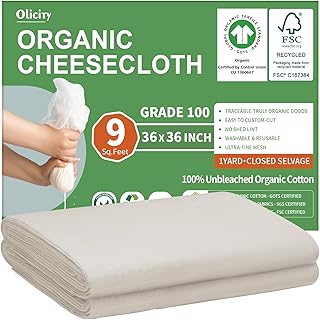
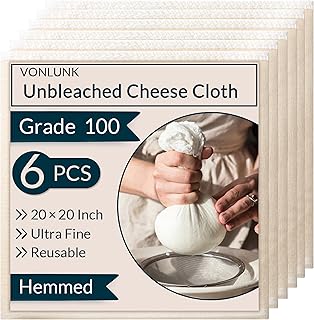
If you've ever wondered about that gauzy, cotton fabric tucked away in a professional chef's kitchen or mentioned in a gourmet recipe, you've encountered cheesecloth. Far from being a single-use item, a high-quality cheesecloth is a versatile, reusable workhorse that can elevate your culinary projects, from homemade dairy to perfectly moist poultry. This guide dives deep into the world of cheesecloth, explaining its uses, benefits, and how to choose the right one for your kitchen.
What is Cheesecloth? More Than Just for Cheese
At its core, cheesecloth is a lightweight, gauze-like cotton fabric. Its loose, open weave allows liquids to pass through while trapping solids. The "grade" of the cloth refers to the number of threads per inch; a higher grade means a tighter, denser weave. While its name hints at its traditional use in cheesemaking—for draining curds to form cheese—its applications are impressively broad. Modern kitchens use it for tasks requiring fine straining, bundling herbs, or creating a protective layer for food.
The Multifaceted Uses of a Quality Cheesecloth
1. Straining and Draining: The Classic Application
This is where cheesecloth truly shines. Its primary function is to separate solids from liquids with precision.
- Making Yogurt and Greek Yogurt: For thick, creamy homemade yogurt, straining the whey is essential. A multi-layered muslin cheesecloth is perfect for this, yielding a rich, spreadable consistency far superior to store-bought. This process is central to yogurt making.
- Juice and Broth Clarification: Achieve crystal-clear apple juice, vegetable broth, or consommé by pouring it through a cheesecloth-lined strainer. It catches all the fine pulp and sediment, resulting in a beautifully polished liquid. This makes it ideal for juice straining.
- Cheesemaking: From soft ricotta to firm paneer, cheesecloth is indispensable for draining curds and shaping the final product.
- Nut Milks and Pulps: Create smooth almond, oat, or cashew milk by straining the blended mixture through cheesecloth to remove gritty particles.
2. Cooking and Roasting: The Secret to Moisture and Flavor
Beyond straining, cheesecloth is a chef's trick for infusing flavor and managing moisture.
- The Perfect Turkey: Perhaps the most famous savory use is for cooking turkey. Soaking a piece of cheesecloth in melted butter or stock and draping it over the turkey breast during roasting bastes the meat continuously, ensuring a golden-brown, incredibly juicy bird without the breast drying out.
- Bouquet Garni and Spice Sachets: Tie up herbs, peppercorns, and garlic in a small square of cheesecloth to create a flavor packet that can be easily removed from soups, stews, and stocks after cooking.
- Poaching: Gently poach delicate fish or chicken in a flavorful liquid by wrapping it in cheesecloth, making retrieval effortless and keeping the flesh intact.
3. Other Clever Kitchen and Household Uses
Its utility extends outside standard recipes.
- Polishing and Dusting: Use it to buff stainless steel to a streak-free shine or to dust confectioners' sugar onto desserts for an even, fine layer.
- Seed Sprouting: Its breathable nature makes it an excellent cover for jars when sprouting seeds like alfalfa or mung beans.
- Herb Drying: Bundle and hang herbs inside cheesecloth to dry while containing any falling leaves.
Why Choose Unbleached, Reusable Muslin Cheesecloth?
Not all cheesecloths are created equal. The choice of material has significant implications for your food, your health, and the environment.
- Unbleached vs. Bleached: Unbleached cheesecloth is in its natural, off-white state. It hasn't been treated with chlorine or other harsh chemicals, meaning no chemical residues can transfer to your food. It's the purer, safer choice for direct food contact.
- The Reusable Advantage: Disposable cheesecloth is flimsy and often falls apart. A sturdy, reusable cheesecloth made from tight-weave muslin can be washed and used dozens of times. This makes it a cost-effective and sustainable option, reducing kitchen waste significantly.
- Muslin for Superior Performance: Muslin cheesecloth typically refers to a higher-grade, denser cotton fabric. It's stronger, less likely to shed lint into your food, and better suited for tasks requiring multiple layers or heavy straining, like making Greek yogurt or nut cheeses.
Introducing a Kitchen Staple: Mostdream's Grade 100 Cheese Cloths
For home cooks and food enthusiasts looking for a reliable, high-performance option, products like the Mostdream Cheese Cloths offer an excellent solution. This set provides 10 precut squares of 20x20 inch Grade 100 unbleached cotton. The "Grade 100" designation indicates an ultra-fine, tight weave, making it perfect for tasks where you don't want even the tiniest particles to pass through. Being unbleached and reusable, it aligns with both health-conscious and eco-friendly cooking principles. Having them precut saves time and ensures you have a consistent size ready for any project, from straining a large batch of yogurt to preparing a holiday turkey.
How to Use and Care for Your Cheesecloth
To get the most out of your cheesecloth, proper use and care are key.
- Pre-Wash: Always rinse new cheesecloth in hot water to remove any loose fibers or dust. For unbleached cloths, this also helps soften the fabric.
- Folding for Density: For fine straining, fold the cloth into 4 or 8 layers to create a denser filter. Secure it over a bowl or colander with kitchen twine or a rubber band.
- Cleaning: After use, rinse immediately under cold water to remove food particles. For stubborn stains (like turmeric or berries), soak in a mixture of baking soda and water. Hand-wash with mild soap and warm water.
- Drying and Storage: Air-dry completely before storing in a clean, dry place. Avoid storing it damp, as this can promote mildew.
Choosing the Right Cheesecloth for Your Needs
When selecting a straining cheesecloth, consider your primary use:
- For Ultra-Fine Straining (Yogurt, Nut Milk, Clear Broths): Opt for a high-grade (like Grade 80 or 100), tight-weave, unbleached muslin cloth.
- For Bundling Herbs or Cooking Turkey: A medium-grade cloth is sufficient and may be more economical if you plan to discard it after a single messy use (though reusable is still preferable).
- For General Kitchen Tasks: A versatile, reusable set like the one mentioned above covers most bases effectively.
Conclusion: An Investment in Culinary Quality
A good cheesecloth is not just a tool; it's an enabler of culinary creativity and quality. It empowers you to make healthier, homemade versions of everyday foods, execute professional cooking techniques, and reduce reliance on disposable kitchen gadgets. By choosing a durable, unbleached, and reusable option, you make a choice that benefits your meals, your wallet, and the planet. Whether you're straining the creamiest yogurt, clarifying the clearest broth, or roasting the juiciest turkey, having this simple fabric on hand transforms good cooking into great cooking.