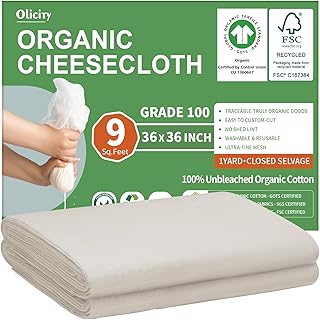
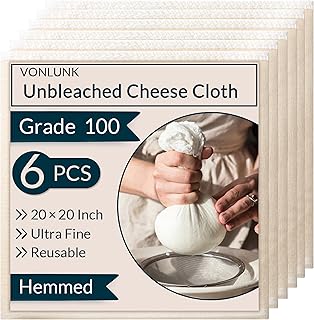
For centuries, a simple, unassuming fabric has been a silent hero in kitchens, dairies, and craft rooms worldwide. This fabric is cheesecloth. While its name hints at its primary historical use, modern cheesecloth is a powerhouse of versatility, essential for tasks ranging from straining stocks to creating delicate crafts. Among the many options available, the GoodCook Everyday 100% Cotton Cheesecloth, 2 square yards, Bleached, stands out as a reliable and accessible choice for home cooks and DIY enthusiasts. This comprehensive guide will explore everything you need to know about this indispensable tool, its myriad uses, and why a quality cotton cheesecloth like GoodCook's deserves a permanent spot in your kitchen drawer.
What is Cheesecloth and Why Does Material Matter?
At its core, cheesecloth is a lightweight, gauzy cotton fabric with an open weave. Its defining characteristic is its "grade," which refers to the number of threads per inch. A lower grade (like #10) has a very open weave, while a higher grade (like #90 or #100) is much tighter and finer. The GoodCook Everyday product is a bleached, food-safe fabric, which means it has been processed to be pure white and free from impurities, making it ideal for direct contact with food. The choice of 100% cotton is crucial. Unlike synthetic blends, pure cotton is absorbent, breathable, and strong when wet. It doesn't shed microplastics into your food and can be composted at the end of its life, aligning with sustainable kitchen practices. When selecting a food grade cheesecloth, material is the first and most important consideration.
The Multifaceted Uses of GoodCook Everyday Cheesecloth
The 2-square-yard size of the GoodCook Everyday cheesecloth provides ample material for a wide array of projects. Its primary domain is the kitchen, where it functions as the ultimate straining cheesecloth.
Culinary Applications
- Straining & Clarifying: Use it to strain stocks, broths, and consommés for crystal-clear results. It's perfect for making yogurt cheese, straining homemade nut milks, or separating curds from whey in cheesemaking.
- Bundling Herbs: Create a bouquet garni by tying herbs like thyme, parsley, and bay leaves inside a small square, making it easy to remove them from soups and stews.
- Poaching & Steaming: Wrap delicate fish or poultry in cheesecloth before poaching to keep it intact. It can also be used as a liner for bamboo steamers.
- Basting: Use a piece tied to a stick to baste roasting meats with their own juices or melted butter.
Beyond the Kitchen: DIY & Household Uses
This diy cheesecloth isn't limited to food. Its soft, porous nature makes it excellent for polishing glass and silverware without scratching. Crafters use it for Halloween decorations, ghost costumes, or as a base for faux cobwebs. Gardeners may use it to protect young plants from pests. The bleached variety, like the GoodCook Everyday, is often preferred for crafts and cleaning where a bright white appearance is desired.
Why Choose GoodCook Everyday Bleached Cheesecloth?
With many kitchen cheesecloth products on the market, the GoodCook Everyday option offers specific advantages. First, its bleached state ensures it is clean, sterile, and ready for immediate use with food. The 2-square-yard size is practical; it's enough for most home projects without being wasteful. As a dedicated culinary cheesecloth, its weave is consistent, providing reliable filtration without tearing under the weight of wet ingredients. For those looking for a dependable, multi-purpose fabric, the GoodCook Everyday Cheesecloth presents a compelling value proposition. It bridges the gap between inexpensive, flimsy cheesecloths and overly specialized, expensive grades.
How to Use and Care for Your Cheesecloth
To get the most out of your cheesecloth, proper use and care are key. Before first use, especially with unbleached varieties, it's recommended to rinse it in hot water to remove any loose lint. For straining, layer the cloth 2-4 times depending on how fine you need the filtration. Always wet the cheesecloth before straining thick liquids like yogurt; this prevents it from absorbing too much of your product. After use, rinse it immediately under cold water to remove food particles. It can then be washed by hand or in a washing machine (in a mesh bag) with mild detergent. Avoid fabric softeners as they can clog the weave. With proper care, a piece of high-quality cotton cheesecloth can be reused multiple times, making it an economical and eco-friendly choice.
Choosing the Right Grade and Type for Your Needs
While the GoodCook Everyday is an excellent all-purpose choice, understanding grades can help you specialize. For tasks requiring an ultra-fine filter, such as clarifying butter or making super-smooth sauces, a higher-grade, tighter-weave cheesecloth (like Grade 90 or 100) is better. For bundling herbs or wrapping a turkey for roasting, a lower, more open grade works perfectly and is more economical. The bleached vs. unbleached decision often comes down to purpose: bleached for a clean look in crafts and when a neutral fabric is needed for light-colored foods; unbleached (or "natural") for those preferring a minimally processed product. The bleached cheesecloth from GoodCook offers the convenience and cleanliness many home users prefer.
Conclusion: An Essential Tool for the Thoughtful Cook
The humble cheesecloth is a testament to the idea that the simplest tools are often the most useful. It empowers you to tackle advanced culinary techniques, from cheesemaking to consommé, and solves everyday problems like straining grease or polishing windows. Investing in a quality product like the GoodCook Everyday 100% Cotton Cheesecloth ensures you have a durable, food-safe, and versatile material at your fingertips. Its 2-square-yard bleached sheet is more than just fabric; it's a gateway to cleaner cooking, more creative projects, and a more resourceful household. Whether you're a seasoned chef or a weekend DIYer, having this kitchen cheesecloth on hand is a small step that makes a significant difference in the quality and range of tasks you can accomplish.