For centuries, a simple, versatile fabric has been a quiet hero in kitchens, dairies, and workshops around the world. Known as cheesecloth, this unassuming material is far more than just a tool for making cheese. Its open weave and natural fibers make it indispensable for a staggering array of tasks, from straining stocks and bundling herbs to polishing silver and crafting. If you've ever wondered about the different types, the mysterious "grades," or how to choose the right one for your project, you're in the right place. This ultimate guide will unravel the threads of this essential kitchen cloth, empowering you to use it like a pro.
At its core, cheesecloth is a lightweight, gauzy cotton fabric with a loose, open weave. This structure is the secret to its functionality. The gaps between the threads allow liquids to pass through while trapping solids, making it perfect for straining. Unlike synthetic meshes, natural cotton is food-safe, breathable, and often reusable. While its name points to its dairy origins, modern cheesecloth is a multi-purpose workhorse found in every room of the house.
Demystifying Cheesecloth Grades: From Loose to Ultra-Dense
Not all cheesecloths are created equal. They are classified by "grade," which refers to the number of threads per inch in each direction. A higher grade means a tighter, denser weave. Understanding these grades is crucial to selecting the right tool for the job and avoiding messy failures.
- Grade 10 (Very Loose): This is the most open weave, often used for decorative purposes, ghost costumes, or protecting plants from insects. It's generally too loose for fine straining tasks in the kitchen.
- Grade 40 & 50 (Medium): A good all-purpose choice. Suitable for straining stocks, bundling bouquet garni, wrapping poultry for roasting, or making simple farmers' cheese where some curd texture is acceptable.
- Grade 60 & 70 (Fine): These offer a much tighter weave. Ideal for straining yogurt to make Greek yogurt, clarifying butter, making nut milks, or straining fine particles from infused oils and vinegar.
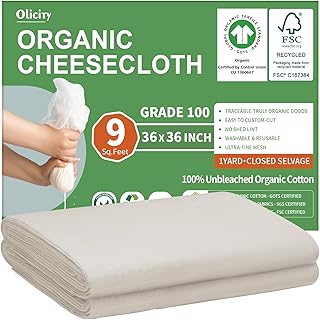
- Grade 90 & 100 (Ultra-Fine/Butter Muslin): This is the pinnacle for fine straining. Grade 100 cheesecloth, like that found in a high-quality reusable cheesecloth pack, has an extremely tight weave that can trap the tiniest curds for soft cheeses like ricotta or mascarpone and produce crystal-clear consommés. It's the choice of serious cheesemakers and chefs.
The Many Marvelous Uses of Cheesecloth in Your Kitchen and Beyond
Culinary and Cheese Making Mastery
This is where cheesecloth truly shines. Its primary role is as a straining cloth.
- Cheese Making: The namesake use. It's essential for draining whey from curds when making paneer, queso fresco, ricotta, and other soft cheeses. A fine grade like 90 or 100 ensures you don't lose precious curds.
- Straining & Clarifying: Use it to strain stocks, broths, and soups for a silky-smooth texture. It's perfect for clarifying butter (removing milk solids) and filtering homemade fruit syrups or infused spirits.
- Yogurt & Dairy: Transform regular yogurt into thick, creamy Greek yogurt by straining out the whey. It's also used in making labneh (strained yogurt cheese).
- Nut Milks & Juices: A fantastic juicing bag for squeezing the last drops from pulp when making almond milk, oat milk, or fresh fruit juices.
- Herb & Spice Bundling: Create a classic "bouquet garni" by tying herbs like thyme, parsley, and bay leaf in a small square, making them easy to remove from soups and stews.
Baking and Cooking Helper
As a baking cloth and cooking strainer, it offers unique advantages.
- Poaching & Steaming: Wrap fish or delicate fruits in cheesecloth before poaching to keep them intact and make removal easy.
- Basting: Tie herbs to a wooden spoon with cheesecloth to create a flavorful basting brush for meats.
- Dusting & Drying: Lightly dampen it and wring out to cover rising bread dough, preventing it from drying out. It can also be used to dust surfaces with flour.
Cleaning, Crafting, and More
Its utility extends far beyond the stove.
- Polishing: Its soft, lint-free nature makes it excellent for polishing silver, glass, and mirrors without leaving streaks or scratches.
- Crafting: A staple for Halloween costumes, ghost decorations, and as a base fabric for dyeing or other textile projects.
- Gardening: Protect young plants from pests by draping loose-grade cheesecloth over them.
Why Choose a Reusable, Unbleached Cheesecloth?
When shopping for cheese making supplies or a general kitchen strainer, you'll face a choice: disposable bleached or reusable unbleached. The benefits of choosing a reusable, unbleached cotton strainer are significant.
1. Eco-Friendly & Cost-Effective: A high-quality reusable cheesecloth can be washed and used dozens of times, dramatically reducing waste compared to single-use sheets. Over time, this saves money and is better for the planet.
2. No Chemical Residue: Unbleached cheesecloth is in its natural, off-white (often beige) state. Bleached versions are treated with chemicals like chlorine to achieve a bright white color. Choosing unbleached ensures no potential chemical transfer to your food, which is especially important for delicate tasks like making cheese or straining nut milks for babies.
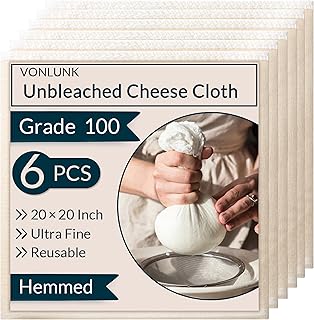
3. Durability and Hemmed Edges: Reusable cloths are typically made from sturdier cotton and feature hemmed or surged edges. This prevents fraying during use and washing, making them last much longer. A product like the 6-Pack Beige Cheesecloth exemplifies this ideal: it's unbleached, hemmed for durability, and comes in a convenient multi-pack, ensuring you always have a clean one ready.
How to Choose the Best Cheesecloth for Your Needs: A Practical Checklist
Faced with multiple options? Use this checklist to make the perfect choice.
- Identify the Primary Task: Are you making soft cheese (Grade 90-100), straining broth (Grade 50-70), or bundling herbs (Grade 40)? Match the grade to the fineness required.
- Prioritize Material: Always choose 100% cotton for food safety. For frequent use, opt for an unbleached cotton strainer.
- Check for Durability Features: Look for "hemmed" or "surged" edges. This small detail is the difference between a cloth that frays after one use and one that lasts for years.
- Consider Size and Quantity: A 20x20 inch square is a versatile size for most kitchen tasks. Having a multi-pack is incredibly useful, as you can use one for savory tasks (straining stock) and another for sweet (straining yogurt), or simply have spares while others are in the wash.
- Think Long-Term: If you see yourself using it more than once, invest in a reusable option. It's a smarter financial and environmental decision.
Caring for Your Reusable Cheesecloth
To get the longest life from your cloth, proper care is key.
- Immediate Rinse: After use, especially with dairy or starchy foods, rinse the cloth under cold water immediately to remove most residue.
- Gentle Washing: Hand wash or machine wash on a gentle cycle with mild, fragrance-free detergent. Avoid fabric softeners, as they can coat the fibers and reduce absorbency.
- Stain Treatment: For stubborn stains (like turmeric), soak in a solution of baking soda and water or white vinegar and water before washing.
- Drying: Air dry is best. You can hang it or lay it flat. Tumble drying on low heat is acceptable but may slightly reduce its lifespan over time.
- Storage: Store clean, completely dry cheesecloth in a drawer or container away from moisture.
Conclusion: Elevate Your Kitchen with the Right Cloth
Cheesecloth is a testament to the idea that the simplest tools are often the most powerful. By understanding the grades—particularly the superior filtration of Grade 100—and opting for a durable, unbleached cotton strainer with hemmed edges, you equip your kitchen with a professional-grade tool. Whether you're embarking on a cheesemaking adventure, seeking clearer soups, crafting thicker yogurts, or simply need a versatile helper, the right cheesecloth makes all the difference. Investing in a quality, reusable option like a multi-pack of hemmed cloths is a small step that yields big returns in culinary results, cost savings, and environmental responsibility. Unlock its potential, and you'll wonder how you ever managed without it.