For culinary enthusiasts, bakers, cheesemakers, and home preservers, the quest for the perfect straining fabric often leads to one material: cheesecloth. But not all cheesecloth is created equal. While the term is used generically, the quality, weave density, and material composition vary dramatically, directly impacting your results. This guide delves deep into the world of premium straining fabrics, focusing on the pinnacle of performance: Grade 100 cheesecloth, also known as butter muslin. Understanding the differences can transform your culinary projects, from yielding crystal-clear stocks and broths to creating smooth, creamy cheeses and nut milks.
At its core, cheesecloth is a lightweight, gauzy cotton fabric with an open weave. Its traditional use, as the name implies, was in cheesemaking for draining whey from curds. However, its utility extends far beyond the dairy. Today, it's a kitchen staple for straining, bundling herbs, polishing glass, and even crafting. The key variable is the "grade," which refers to the threads per inch in each direction. Lower grades (like 10, 20, or 40) have a very loose, open weave, making them suitable for tasks like dusting or wrapping turkey, but they allow fine particles to pass through. For serious straining where clarity and purity are paramount, a tighter weave is non-negotiable.
This is where Grade 100 cheesecloth stands apart. It represents the finest, most densely woven fabric in the cheesecloth family. With approximately 44x36 threads per square inch, it creates an exceptionally fine mesh that captures even the tiniest sediment, pulp, or spice particles. This ultra-dense weave is what earns it the name "butter muslin," traditionally used for straining cultured butter. When a recipe calls for a "fine-mesh strainer" or "several layers of regular cheesecloth," using a single layer of Grade 100 cloth often provides superior, more consistent results with less hassle.
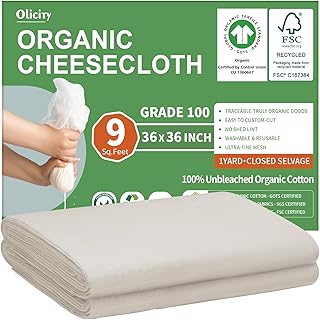
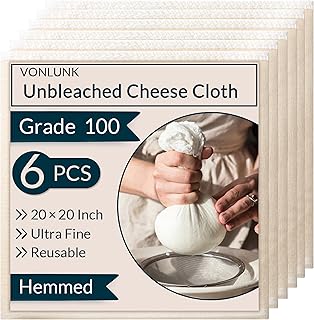
The Cotton Farm Grade 100 XL Cheese Cloth exemplifies these premium qualities. As a 36x36 inch square of 100% unbleached cotton, it offers a generous working area for large batches. The "unbleached" aspect is crucial for food safety and purity, meaning no chemical residues from bleaching processes come into contact with your food. Furthermore, its hemmed edges prevent fraying, a common frustration with lower-quality cloths, which directly contributes to its reusable nature. A well-cared-for piece of high-grade cheesecloth can be washed and used dozens of times, making it an economical and sustainable choice over disposable alternatives.
Unparalleled Culinary Applications of Ultra-Dense Cheesecloth
The dense weave of Grade 100 butter muslin unlocks a world of culinary precision. Its primary superpower is achieving brilliant clarity in liquids. When making consommé, beef stock, chicken broth, or vegetable stock, simmering draws out flavors but also releases proteins and fine impurities that create cloudiness. Straining through a standard sieve leaves much behind; straining through a layer of this ultra-fine straining cloth results in a sparkling, professional-quality liquid. Similarly, for clarifying butter (making ghee), the cloth traps all milk solids, yielding pure, golden fat with a high smoke point and long shelf life.
In dairy crafting, it's indispensable. For making yogurt cheese (labneh), ricotta, queso fresco, or even pressing tofu, the tight weave ensures a clean separation of solids and whey without losing valuable curds. When making nut milks like almond or cashew milk, it efficiently strains out the gritty pulp, resulting in a smooth, silky beverage. For infusions—whether creating herb-infused oils, syrups, or spirits—the cloth contains all botanical material while allowing the liquid to flow through freely, preventing any debris from spoiling the infusion.
Beyond the Kitchen: Versatile Uses for Durable Cheesecloth
While its culinary prowess is unmatched, the utility of a strong, reusable cheesecloth extends to homesteading, crafting, and cleaning. Gardeners use it to make seed-saving bags or to protect young plants from pests. It's perfect for straining homemade beeswax for candles or polishing silver and glass to a streak-free shine without leaving lint. In crafting, it serves as an excellent base for sachets, rustic decorations, or even as a painting canvas. Its food-grade fabric status means it's safe for any project that might come into contact with skin or food-adjacent items.
How to Choose and Care for Your Cheesecloth
Selecting the right cheesecloth is the first step; maintaining it ensures longevity. Always opt for unbleached, 100% cotton like the Cotton Farm Grade 100 cloth to ensure no chemical contamination. Consider the size—a larger piece (like 36x36 inches) is more versatile for bundling herbs or straining big stockpots. For tasks requiring extreme fineness, like clarifying wine or making extremely clear jus, you can even double-layer Grade 100 for an impenetrable barrier.
Caring for your butter muslin is simple and key to its reusability. Immediately after use, rinse it under cold water to remove most food particles. Then, wash it in warm water with a mild, fragrance-free detergent. Avoid fabric softeners, as they can coat the fibers and reduce absorbency and straining effectiveness. You can machine wash on a gentle cycle or hand wash. To sterilize, boil it in water for a few minutes. Always air-dry completely before storing in a clean, dry place. With proper care, a single piece can replace countless rolls of disposable, flimsy cloth.
Why Grade 100 is a Kitchen Essential
In summary, investing in a high-quality Grade 100 cheesecloth like the Cotton Farm XL cloth is an investment in culinary quality and sustainability. It elevates everyday cooking by providing tools for superior technique—clearer stocks, smoother cheeses, purer infusions. Its durability and reusability make it a cost-effective and eco-friendly choice, reducing single-use kitchen waste. Whether you're a professional chef, a passionate home cook, a homesteader, or a crafter, having this versatile, ultra-dense butter muslin in your toolkit opens up a realm of possibilities, ensuring that when fine straining is required, you have the very best fabric for the job.