For centuries, a simple, versatile fabric has been a silent hero in kitchens, workshops, and studios worldwide. This guide dives deep into the world of cheesecloth, exploring its many uses, the different types available, and crucially, how to select the best one for your needs—whether you're a home cook, a cheesemaker, or a craft enthusiast.
What is Cheesecloth? More Than Just for Cheese
Traditionally, cheesecloth is a lightweight, gauzy cotton fabric with a loose, open weave. Its name comes from its primary historical use: draining whey from curds during cheese making. However, its utility extends far beyond the dairy. The fabric's breathable, absorbent, and non-shedding properties make it indispensable for a multitude of tasks, from culinary straining to fine art conservation.
The Many Uses of Cheesecloth: A Kitchen & Craft Powerhouse
The beauty of cheesecloth lies in its versatility. Here’s a breakdown of its most common applications:
In the Kitchen (Culinary Uses)
- Straining & Clarifying: Making Greek yogurt, straining stocks and broths for crystal-clear consommé, or clarifying butter.
- Bundling Herbs: Creating a bouquet garni for soups and stews.
- Wrapping & Poaching: Wrapping fish or poultry for gentle poaching to retain shape and flavor.
- Making Cheese & Tofu: The classic use for draining curds.
- Dusting & Straining Dry Goods: Sifting powdered sugar or straining lumps from flour.
For Crafts & DIY Projects
- Fabric Dyeing & Printing: Its loose weave makes it excellent for tie-dye, block printing, or as a base for fabric paints.
- Costume & Prop Making: Creating ghost costumes, aged-looking banners, or lightweight drapes.
- Cleaning & Polishing: Its lint-free nature makes it ideal for polishing silver, cleaning glass, or applying wood stains evenly.
- Gardening: Protecting plants from pests or creating seed-starting pots.
Understanding Cheesecloth Grades: From Coarse to Ultra-Fine
Not all cheesecloth is created equal. It's graded by threads per inch, which determines its texture and best use case. Choosing the wrong grade can lead to frustration—like sediment in your broth or curds escaping during cheese making.
- Grade 10 (Very Coarse): 10-12 threads per inch. Best for very coarse straining, like bundling herbs or Halloween decorations.
- Grade 40 (Medium): 24-28 threads per inch. A good all-purpose grade for straining stocks or making soft cheeses.
- Grade 50 (Fine): 28-32 threads per inch. Ideal for making yogurt cheese or straining finer particles.
- Grade 60 (Extra Fine): 32-36 threads per inch. Used for tasks requiring a very fine filter.
- Grade 90 & 100 (Ultra-Fine): 44+ threads per inch. The gold standard for professional culinary tasks and fine crafts. A Grade 100 cheesecloth offers an exceptionally tight weave, perfect for clarifying liquids to absolute transparency or for delicate craft projects where a smooth surface is key.
How to Choose the Best Cheesecloth: A Buyer's Guide
With so many options, selecting the right cheesecloth can be confusing. Follow this checklist to make an informed decision.
1. Prioritize Material & Certification
The fabric's origin matters, especially for food contact. Look for unbleached, organic cotton. Unbleached fabric means no chemical residues from whitening processes, making it safer for food. Organic certification, like GOTS (Global Organic Textile Standard), ensures the cotton was grown without synthetic pesticides or fertilizers, which is better for your health and the environment. An organic cheesecloth is a pure, natural choice.
2. Decide: Single-Use or Reusable?
Many cheap cheesecloths are designed to be disposable, often fraying or falling apart after one use. For sustainability and cost-effectiveness, invest in a high-quality, reusable cheesecloth. Key features to look for include:
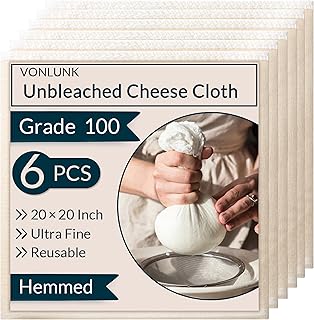
- Closed/Serged Edges: This prevents fraying and unraveling during washing, significantly extending the cloth's life. A reusable cheesecloth with finished edges is a workhorse in any kitchen.
- Durable Weave: A tight, consistent weave (like Grade 90 or 100) holds up better to repeated use and washing.
3. Match the Grade to Your Task
Refer to the grade guide above. For most kitchen tasks requiring a clear liquid (broth, infused oils) or fine straining (yogurt), a fine mesh straining cloth of Grade 90 or higher is recommended. For crafts, a medium grade might suffice, but a finer craft fabric like unbleached muslin offers a better finish.
4. Consider Size and Form
Cheesecloth comes in rolls, pre-cut squares, or in larger yardage. Pre-cut squares in useful sizes (like 36"x36") are convenient. Ensure you have enough material to properly bundle or layer for your task.
Why a GOTS-Certified, Reusable Cheesecloth is a Game-Changer
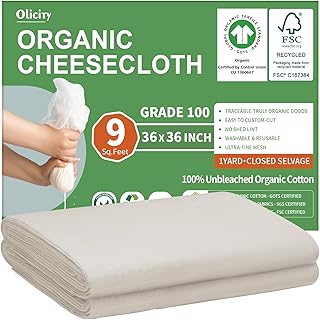
Let's put this knowledge into practice. Imagine a product that embodies all the best-practice criteria: a reusable cheese cloth that is GOTS-certified organic, made from unbleached cotton muslin, features serged closed edges to prevent fraying, and boasts a premium Grade 100 weave for ultra-fine straining.
This isn't just a piece of fabric; it's a sustainable kitchen tool. The unbleached muslin ensures no chemical bleach residues touch your food. The GOTS certification guarantees an ethical and eco-friendly origin. The closed edges make it durable through dozens of washes, replacing countless disposable sheets. And the Grade 100 weave performs flawlessly for the most demanding cooking cheesecloth tasks, from clarifying consomme to making silky-smooth nut milks.
Care & Maintenance: Making Your Cheesecloth Last
To get the most from a reusable cheesecloth:
- Rinse Immediately: After use, rinse under cold water to remove food particles.
- Wash Gently: Hand wash or use a gentle machine cycle with mild detergent. Avoid fabric softeners as they can clog the weave.
- Sanitize (Optional): For cheese making, you may want to boil the cloth for a few minutes to sanitize it.
- Air Dry: Lay flat or hang to dry. The sun is a natural whitener and disinfectant.
- Store Dry: Ensure the cloth is completely dry before storing to prevent mildew.
Conclusion: Elevate Your Projects with the Right Cloth
Whether you're straining a batch of homemade yogurt, clarifying a rich beef stock, starting a new craft project, or making artisanal cheese, the right cheesecloth makes all the difference. By choosing a high-quality, organic, and reusable option with the appropriate grade, you invest in a tool that is safer, more sustainable, and more effective. It’s a small upgrade that pays dividends in the quality of your results and the health of your home.