The Ultimate Guide to Cheesecloth: More Than Just for Cheese
When you hear the word cheesecloth, your mind likely goes straight to homemade cheese or yogurt. While it's true this versatile fabric is a cornerstone of dairy crafting, its utility stretches far beyond the cheese cave. From clarifying broths and straining nut milks to creating stunning Halloween decorations and polishing silver, cheesecloth is an unsung hero in both the kitchen and the craft room. This comprehensive guide will unravel everything you need to know about this humble yet powerful tool, helping you select the right type for any project and use it like a pro.
What is Cheesecloth? Understanding the Basics
At its core, cheesecloth is a lightweight, gauze-like cotton fabric with a loose, open weave. This specific construction is what gives it its unique properties. The weave allows liquids to pass through while trapping solid particles, making it ideal for straining, filtering, and bundling herbs or spices. Unlike a fine-mesh sieve, the varying grades of cheesecloth offer different levels of filtration, from coarse to ultra-fine. Traditionally made from 100% cotton, it is prized for its breathability, absorbency, and biodegradability. Whether you're a seasoned chef, a home brewer, or a DIY enthusiast, understanding the fundamentals of cheesecloth is the first step to unlocking its full potential.
The Many Surprising Uses of Cheesecloth
Its name may be limiting, but cheesecloth's applications are wonderfully broad. Let's explore the diverse ways you can put this fabric to work.
In the Kitchen (Beyond Cheesemaking)
Straining & Clarifying: This is its classic role. Use it to strain yogurt, separate curds from whey for paneer or ricotta, and clarify butter or homemade broths for a crystal-clear consommé. It's also perfect for straining freshly pressed nut milks or fruit juices to remove pulp.
Herb & Spice Sachets: Create a bouquet garni by tying herbs like thyme, parsley, and bay leaves inside a small square of cheesecloth. Toss it into soups, stews, or stocks for easy removal later. It's also great for making spice bags for pickling or mulling wine.
Basting & Moisture: Dampened cheesecloth is excellent for covering turkey or chicken before roasting. It helps baste the bird continuously, resulting in incredibly moist and golden-brown skin. Similarly, you can use it to cover dough during proofing to prevent it from drying out.
Around the House & In Crafts
Cleaning & Polishing: Its soft, lint-free nature makes cheesecloth ideal for polishing glass, mirrors, and silverware without leaving streaks or scratches. It's a favorite among professional cleaners and jewelers.
Decorative Projects: Cheesecloth can be dyed, stiffened, and shaped to create ghostly Halloween decorations, rustic wedding centerpieces, or textured backgrounds for art projects. Its ethereal drape is perfect for creating a weathered, vintage look.
Gardening: Use it to protect young plants from pests by creating a lightweight cover, or to sift and aerate your potting soil.
Choosing the Right Grade: A Buyer's Guide
Not all cheesecloth is created equal. It's sold in numbered grades, typically from #10 to #90, with the higher numbers indicating a tighter, finer weave. Choosing the wrong grade can lead to frustration—like fine sediment passing through or a weave so tight it won't drain properly. Here’s a simple breakdown:
- Grade #10 (Coarse): Very open weave. Best for wrapping herbs, polishing, or crafts. Not suitable for fine straining.
- Grade #50 (Medium): A good all-purpose grade. Suitable for straining yogurt, making nut milks, and bundling spices.
- Grade #60 to #90 (Fine & Extra Fine): Tight weave for fine filtration. Essential for cheesemaking (to catch tiny curds), clarifying butter and broths, and straining fine particles.
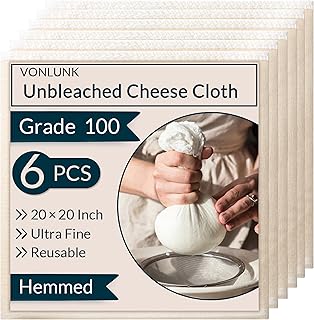
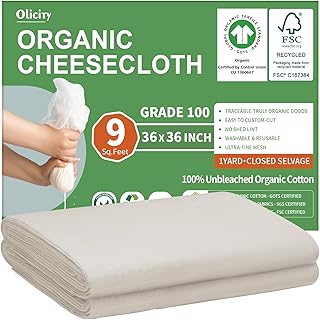
For most kitchen tasks, a medium-grade (#50 or #60) cheesecloth offers the best balance. Always check if it's labeled "food-grade" or "bleached/ unbleached." Unbleached is preferable for direct food contact, as it hasn't been treated with chemicals.
Pro Tips for Using and Reusing Cheesecloth
To get the most out of your cheesecloth, follow these expert tips.
Pre-Wash for First Use: Always rinse new cheesecloth in hot water before its first culinary use. This removes any loose lint or manufacturing residues and helps prevent it from absorbing flavors or colors from the food.
Layering Technique: For an extra-fine strain, don't just use one layer. Fold the cheesecloth into 4 or even 8 layers. This creates a much finer mesh without needing to buy a super-high grade.
The Squeeze vs. The Drip: When straining, avoid the temptation to squeeze the bundle tightly to speed things up, as this can force fine particles through the cloth. For the clearest liquids, let gravity do the work. Hang the bundle and allow it to drip slowly.
Cleaning and Reuse: Cheesecloth is reusable! Immediately after use, rinse it under cold water to remove food particles. Then, wash it in hot, soapy water. For stubborn stains (like turmeric), soak it in a baking soda solution. Always air-dry completely before storing. With proper care, a piece of cheesecloth can be used several times before it becomes too worn.
Common Mistakes to Avoid
Even with a simple tool, pitfalls exist. Steer clear of these common errors:
- Using the Wrong Grade: Using a coarse grade (#10) to make cheese will result in lost curds. Conversely, using a fine grade (#90) for a herb sachet is wasteful and unnecessary.
- Skipping the Pre-Rinse: This can introduce lint into your food and affect taste.
- Using Bleached Cloth for Delicate Tasks: The bleaching process can sometimes leave a slight chemical taste or odor, which might transfer to subtle foods like fresh cheese or infused oils.
- Storing it Damp: This will lead to mildew and ruin the fabric. Ensure it is bone-dry before folding and putting it away.
Conclusion: A Staple Worth Having
From its essential role in creating creamy, homemade cheese to its surprising utility in crafts and cleaning, cheesecloth proves that the simplest tools are often the most versatile. By understanding the different grades, mastering a few key techniques, and learning how to care for it, you can make this inexpensive fabric a valuable and frequently reached-for item in your home. Ready to tackle your next culinary project or creative endeavor? Having the right cheesecloth on hand is the first step to success. Explore our selection to find the perfect grade for your needs and discover just how much you can accomplish with this classic piece of fabric.