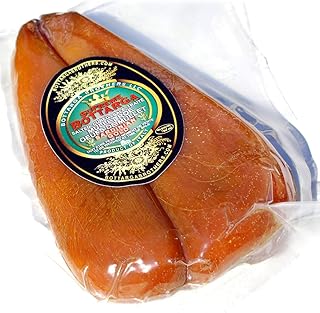
Often referred to as "Sardinian Gold," Bottarga is one of Italy's most treasured and ancient gourmet ingredients. This cured fish roe, with its origins deeply rooted in Mediterranean coastal traditions, offers a unique umami punch that has captivated chefs and food enthusiasts for centuries. While its intense, briny flavor might seem intimidating at first, understanding this delicacy opens up a world of culinary possibilities, transforming simple pasta, salads, and appetizers into extraordinary dishes.
What is Bottarga? Understanding the Sardinian Treasure
At its core, Bottarga is the salted, pressed, and air-dried roe sac of fish, primarily grey mullet (bottarga di muggine) or tuna (bottarga di tonno). The process is an artisanal craft, especially in regions like Sardinia and Sicily. The fresh roe sacs are carefully massaged in sea salt, then pressed under weight to expel moisture and achieve a dense, firm texture. Finally, they are slowly air-dried for several weeks, sometimes coated in beeswax for preservation. The result is a hard, amber-colored block that can be grated or thinly sliced. Its flavor profile is complex: intensely savory and briny, with notes of the sea, a slight sweetness, and a lingering, pleasant fishiness that is more nuanced than aggressive.
The Art of Selecting Premium Bottarga: A Buyer's Guide
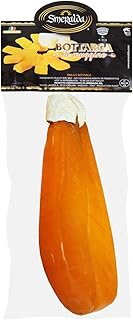
Not all bottarga is created equal. The quality varies dramatically based on the fish species, origin, and production method. For the authentic experience, Sardinian bottarga made from grey mullet is considered the gold standard. Look for a product that is whole, not pre-grated, as grating exposes the roe to air and accelerates flavor loss. The exterior should be smooth and firm, not cracked or oily. When sliced, the interior should be a consistent, deep amber or reddish-gold color with a tight, waxy texture. A premium example is the Smeralda | Italian Whole Bottarga Grey Mullet Roe from Sardinia | Large Size 5 Oz. Sourced from the pristine waters around Sardinia and cured using traditional methods, it represents the pinnacle of this gourmet ingredient. You can explore this specific product here.
Grey Mullet vs. Tuna Bottarga: Knowing the Difference
While both are delicious, they offer distinct experiences. Grey mullet roe bottarga, like the Sardinian variety, is generally more prized for its finesse. It has a finer, less granular texture and a more balanced, elegant flavor that is briny and rich without being overly fishy. Tuna bottarga tends to be larger, darker, and has a stronger, more robust flavor. For beginners and classic Italian preparations, grey mullet is often the recommended starting point due to its versatility and widespread acclaim in traditional cuisine.
Mastering Culinary Uses: How to Use Bottarga in Your Kitchen
The magic of Bottarga lies in its ability to act as a natural flavor amplifier. It's rarely cooked, as heat can diminish its nuanced taste. Instead, it's used as a finishing touch. Keep a whole bottarga block wrapped in parchment paper in the refrigerator. For use, simply grate it finely with a microplane or mandoline, or shave it into thin slices with a very sharp knife.
Classic and Modern Recipe Applications
Pasta: This is the most iconic use. Toss freshly cooked spaghetti or linguine with high-quality olive oil, garlic, chili flakes, and a generous snowfall of grated bottarga. The residual heat from the pasta gently warms the roe, releasing its aroma without cooking it. Spaghetti alla Bottarga is a must-try.
Appetizers & Salads: Grate bottarga over creamy burrata or fresh ricotta crostini. Shave it over simple salads of bitter greens (like arugula or radicchio) with a lemon-olive oil dressing. It pairs exceptionally well with the sweetness of ripe tomatoes or the creaminess of avocado.
Eggs & Seafood: Elevate scrambled eggs, omelets, or a simple fried egg with a sprinkle of grated bottarga. It also complements other seafood beautifully—try it shaved over grilled scallops, seared tuna, or a simple plate of oysters.
Butters & Sauces: Mix finely grated bottarga into softened butter with lemon zest and parsley to create a compound butter for steak or fish. Stir it into mayonnaise or aioli for an incredible dip or sandwich spread.
Storing and Preserving Your Bottarga Investment
A premium roe like bottarga is an investment, and proper storage is key. Keep the whole block tightly wrapped in parchment paper or wax paper, then place it in an airtight container or zip-top bag in the refrigerator. Properly stored, it can last for several months. Avoid freezing, as it can alter the texture. Once grated, use it within a week or two for the best flavor. The beeswax coating on some artisanal bottargas is traditional and aids in preservation—simply slice or grate through it.
Why Sardinian Grey Mullet Bottarga Reigns Supreme
Sardinia's claim to bottarga fame isn't accidental. The island's clear, nutrient-rich waters provide an ideal habitat for grey mullet. The traditional knowledge passed down through generations of *maestri bottargari* (bottarga masters) ensures a curing process that prioritizes quality and flavor over speed. This combination of perfect raw material and artisanal skill results in a seafood delicacy with unparalleled depth and balance. When you choose a Sardinian product, you're not just buying an ingredient; you're purchasing a piece of culinary heritage.
Conclusion: Embracing the World of Bottarga
Bottarga is more than just a trendy ingredient; it's a gateway to understanding the soul of Italian coastal cuisine. Its powerful umami can transform the mundane into the magnificent with just a few gratings. Starting with a high-quality, Italian bottarga like a Sardinian grey mullet roe ensures an authentic and rewarding experience. Whether you're grating it over a humble plate of pasta or using it to impress guests on a chic appetizer, this "poor man's caviar" is truly a treasure worth discovering and savoring.