In the world of gourmet ingredients, few possess the storied history, intense flavor, and transformative power of Bottarga. Often referred to as "Sardinian gold," this salted, cured fish roe has journeyed from the ancient tables of Mediterranean fishermen to the forefront of modern haute cuisine. Its unique umami-rich profile can elevate a simple plate of pasta into a luxurious experience, making it a coveted secret weapon for chefs and home cooks alike. But what exactly is this delicacy, and how has it maintained its allure for centuries?
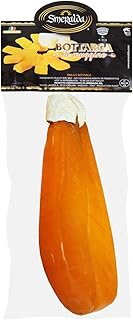
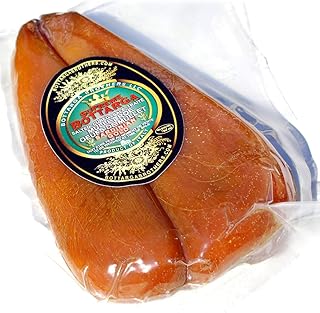
At its core, Bottarga is the roe sac of the gray mullet (or sometimes tuna), meticulously salted, pressed, and air-dried. This ancient preservation technique, perfected over generations, particularly in the coastal regions of Sardinia, concentrates the flavors of the sea into a firm, amber-hued slab. The result is an ingredient of profound depth—salty, briny, slightly fishy, and packed with a savory punch that lingers pleasantly on the palate. Its quality is a testament to the artisanal methods still used today, where time and tradition are the key ingredients.
The Sardinian Legacy: Where Tradition Meets the Sea
Sardinia is the undisputed heartland of the finest Bottarga. The island's crystal-clear waters and time-honored techniques create a product that is unmatched. The process begins with the careful extraction of the whole roe sacs from the mullet. These are then lightly washed in seawater, massaged by hand to remove any membranes, and buried in sea salt for several weeks. After this initial curing, the roe is pressed to achieve its characteristic flat shape and left to air-dry slowly in a controlled environment, sometimes for months. This patient, hands-on approach is what defines authentic Sardinian Bottarga, ensuring a complex flavor and perfect texture that industrial shortcuts cannot replicate.
Kosher Bottarga: Expanding Culinary Horizons
An important evolution in the world of this delicacy is the availability of Kosher-certified Bottarga. This certification opens up this incredible ingredient to a wider audience, adhering to strict dietary laws without compromising on quality or tradition. The process for Kosher Bottarga involves supervision from harvesting to packaging, ensuring it meets all requirements. This means that the rich, savory essence of Sardinian gold can now be enjoyed in a multitude of kitchens and culinary traditions that follow Kosher guidelines, bringing its unique character to new and diverse dishes.
Unlocking the Flavor: How to Use Bottarga in Your Kitchen
The beauty of Bottarga lies in its versatility. It is typically used grated or shaved thinly over finished dishes, where the residual heat gently releases its aromatic oils. Here are some classic and innovative ways to incorporate this premium ingredient:
- Pasta: The most iconic pairing. Grate Bottarga over a simple spaghetti with olive oil, garlic, and chili flakes (Spaghetti alla Bottarga) for a dish that sings of the Mediterranean.
- Salads: Shave it over fresh, peppery arugula with a lemon vinaigrette, or add it to a seafood salad for an extra layer of oceanic depth.
- Eggs: Transform scrambled eggs or a frittata with a generous grating. The umami from the Bottarga complements the richness of the eggs perfectly.
- Canapés & Appetizers: Thin slices on buttered toast or blinis make for an elegant and effortless starter.
- Vegetables: Finish grilled asparagus, roasted tomatoes, or even a simple avocado toast with a sprinkle for a gourmet touch.
The key is to add it at the end of cooking to preserve its delicate flavor and aroma. A specialized grater or a microplane is the best tool for the job, allowing you to create fine, snow-like flakes that distribute evenly.
Choosing and Storing Your "Sardinian Gold"
When selecting Bottarga, look for a product that boasts authenticity. A prime example is an offering like Sardinian Gold – Authentic Sardinian Bottarga. This signifies it's made from mullet roe using traditional Sardinian methods, and if labeled as such, is Kosher-certified. The slab should be firm to the touch, have a consistent amber to dark red color, and a clean, briny scent of the sea without any overly fishy or ammoniac odors.
Proper storage is crucial to maintain its quality. Keep the whole slab tightly wrapped in parchment paper or beeswax wrap, then place it in an airtight container or zip-top bag in the refrigerator. For long-term storage, it can be vacuum-sealed and frozen. Once grated, use it within a few days for the best flavor. A whole slab, handled correctly, can last for months, making it a worthwhile investment for your pantry.
Why Bottarga Deserves a Place in Your Pantry
Beyond its undeniable flavor, incorporating Bottarga into your cooking is about embracing an ingredient with soul. It connects you to a centuries-old culinary tradition rooted in respect for the sea and its bounty. As a gourmet ingredient, it offers a high-impact return for minimal effort, instantly elevating everyday meals. It's a conversation starter, a testament to artisanal foodcraft, and most importantly, a key to unlocking new dimensions of taste. Whether you're finishing a creamy carbonara, enhancing a fresh salad, or simply enjoying it on its own, Sardinian Bottarga is more than just a condiment—it's a sprinkle of culinary magic, a true treasure of the Italian table waiting to be discovered.