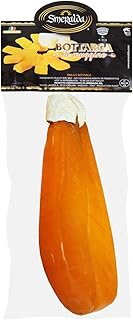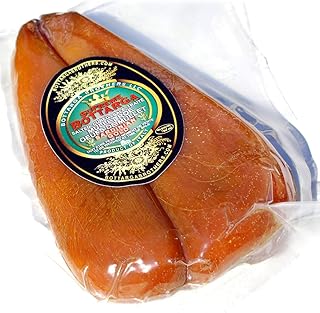
Often referred to as "Sardinian Gold" for its rich amber hue and prized status, Bottarga is one of Italy's most treasured culinary secrets. This salted, cured fish roe, traditionally made from grey mullet or tuna, transforms simple dishes into gourmet experiences with its intense, briny, and umami-rich flavor. While its roots are deeply embedded in the coastal traditions of Sardinia and Sicily, Bottarga has captured the imagination of chefs and food enthusiasts worldwide. This guide will delve into everything you need to know about this luxurious Italian delicacy, from its ancient origins to modern kitchen applications, with a special focus on sourcing the authentic product.
What is Bottarga? A Taste of the Sea Preserved
At its core, Bottarga is the roe sac of a fish, meticulously salted, pressed, and air-dried until it achieves a firm, waxy consistency. The most common and highly regarded type is mullet roe (Bottarga di Muggine), known for its balanced, nuanced flavor. The process is an artisanal craft, often passed down through generations in Sardinian fishing communities. The result is a hard, dry slab that can be grated or thinly sliced, releasing a powerful aroma of the sea, iodine, and complex savory notes. It's not just an ingredient; it's a concentrated essence of the Mediterranean coastline.
The History and Tradition of Sardinian Bottarga
The story of Sardinian bottarga stretches back millennia. Some food historians trace its origins to the Phoenicians or ancient Egyptians, who used similar preservation techniques. However, it was on the island of Sardinia that the method was perfected. Fishermen, needing to preserve their precious catch, developed this technique to ensure nothing went to waste. Over centuries, what began as a practical method of preservation evolved into a symbol of celebration and a coveted gourmet ingredient. Today, the town of Cabras in Sardinia is considered the epicenter of the finest Bottarga production, where the specific conditions of the Stagno di Cabras lagoon are said to produce the best mullet for the craft.
Why Authentic Sardinian Gold Bottarga Stands Apart
Not all Bottarga is created equal. The quality hinges on the fish's origin, the skill of the salting and curing process, and the aging time. Authentic Sardinian bottarga, like the renowned "Sardinian Gold," represents the pinnacle of this craft. It is characterized by a uniform, deep amber color, a firm but not rock-hard texture, and a clean, briny fragrance without any off-putting fishiness. The flavor should be rich, savory, and pleasantly salty, with a long, satisfying finish. When you source a product like the 'Sardinian Gold' - Authentic Sardinian Bottarga, you are investing in a piece of culinary heritage that guarantees an unparalleled taste experience.
How to Use Bottarga in Your Kitchen: A Culinary Guide
The beauty of Bottarga lies in its versatility. It acts as a natural flavor enhancer, much like a hard cheese or truffle. The key is to add it at the end of cooking to preserve its delicate aroma and flavor. Here are the primary ways to enjoy it:
Grated Over Pasta (The Classic Preparation)
This is the most iconic use. Grate Bottarga over a simple pasta dish with olive oil, garlic, and chili flakes (Spaghetti alla Bottarga). The heat of the pasta gently melts the grated roe, creating a luxurious, creamy sauce. It's also spectacular with seafood pasta or a simple tomato-based sauce.
As a Pasta Topping or Finishing Touch
Beyond grating, thin shavings or slices make an elegant garnish. Add them to risottos, scrambled eggs, bruschetta, or salads. A few shavings on top of freshly shucked oysters or crudo elevate the dish instantly.
Infusing Oils and Butters
Finely grate Bottarga into high-quality extra virgin olive oil or softened butter. Let it infuse for a few hours or days to create a potent condiment perfect for drizzling over vegetables, fish, or bread.
Selecting, Storing, and Preparing Your Bottarga
When purchasing, look for a whole, vacuum-sealed piece for the best quality and longevity. Once opened, wrap it tightly in parchment paper and then in foil, storing it in the refrigerator's vegetable drawer. Properly stored, it can last for several months. To prepare, you have two main options: use a microplane or fine grater for a fluffy, snow-like texture, or use a very sharp knife or mandoline to create paper-thin slices or shavings. A whole piece, such as the approximate 5.0oz Kosher bottarga offering, provides flexibility for various uses over time.
Beyond Italy: Bottarga's Global Gourmet Appeal
While Sardinia guards its tradition, variations of cured fish roe exist around the Mediterranean and Asia. However, the specific taste profile of Sardinian bottarga remains unique. Its rise in global fine dining has introduced it to new audiences, who appreciate its ability to add depth and a taste of terroir to modern dishes. It bridges the gap between ancient food preservation and contemporary gourmet ingredient trends.
Bringing Sardinian Gold to Your Table
Exploring the world of Bottarga is a journey into flavor, history, and artisanal craftsmanship. It encourages cooks to think minimally—allowing one extraordinary ingredient to shine. For those ready to experience this true taste of the Mediterranean, seeking out an authentic source is crucial. A product like the authentic Sardinian Gold Bottarga ensures you are getting a genuine piece of Sardinia, perfect for grating over a comforting bowl of pasta or elevating your next culinary creation. Discover why this premium seafood product has earned its nickname as the gold of the sea.