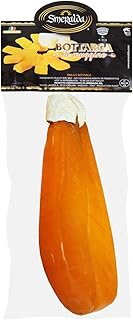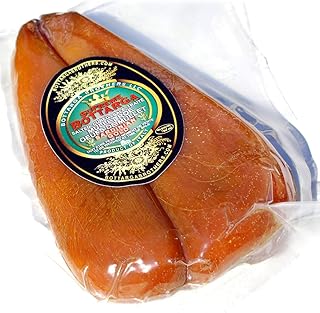
Often called "Sardinian Gold," Bottarga is one of the Mediterranean's most cherished and ancient delicacies. This cured fish roe, typically from grey mullet or tuna, undergoes a meticulous salting and drying process that transforms it into a hard, amber-hued slab bursting with concentrated umami flavor. For centuries, it has been a staple in Sardinian and Italian coastal cuisine, prized for its ability to elevate simple dishes into gourmet experiences. Its rich history and unique taste profile make it a fascinating subject for any food enthusiast looking to explore authentic regional ingredients.
At its core, Bottarga is a testament to preservation and flavor concentration. The process begins with whole sacs of mullet roe, which are carefully massaged to remove any blood vessels, then buried in sea salt for several weeks. After this initial curing, the roe is pressed, shaped, and left to air-dry for months, sometimes up to six, until it achieves its characteristic firm texture. The result is a complex ingredient that offers a symphony of tastes: deeply savory and briny like the sea, with nutty, slightly sweet, and pleasantly fishy notes that are never overpowering. This versatility is why it's celebrated not just in Sardinia but across the Mediterranean cuisine spectrum.
What Exactly is Bottarga? From Roe to Gourmet Gold
Understanding Bottarga starts with its two primary types: Bottarga di Muggine (from grey mullet) and Bottarga di Tonno (from tuna). Mullet roe bottarga is generally more prized and common, especially in Sardinia, known for its finer texture and more nuanced flavor. Tuna bottarga tends to be stronger and slightly grainier. The quality hinges on the roe's freshness, the purity of the salt used, and the mastery of the aging process in a controlled environment. Authentic Sardinian bottarga represents the pinnacle of this craft, where generations of expertise ensure a product of exceptional quality and taste.
How to Use Bottarga in Your Kitchen: A Culinary Guide
The beauty of this gourmet ingredient lies in its simplicity. It's typically used grated or shaved thinly over finished dishes, where the residual heat gently coaxes out its aromatic oils. Here are classic and innovative ways to enjoy it:
- The Classic Pasta: Perhaps the most famous application is Spaghetti alla Bottarga. Toss al dente spaghetti with high-quality olive oil, garlic, a pinch of chili flake, and a generous shower of freshly grated bottarga. The heat of the pasta melts the roe slightly, creating a luxurious, briny sauce. Discover more ways to use it as a perfect pasta topping.
- Simple Appetizers: Shave it over creamy avocado toast, fresh oysters, or a simple plate of sliced ripe tomatoes and buffalo mozzarella. It pairs wonderfully with the creaminess of butter or ricotta on crostini.
- Eggs and Salads: Grate it over scrambled eggs, frittatas, or a simple green salad for an instant umami boost.
- Finishing Touch: Use it as you would a hard, salty cheese like Pecorino Romano. A final grating over soups, risottos, or grilled vegetables adds depth and complexity.
Why Choose Authentic Sardinian Gold Bottarga?
With many products on the market, authenticity is key. True Sardinian bottarga follows strict traditional methods. A product like 'Sardinian Gold' - Authentic Sardinian Bottarga ensures you're getting this genuine experience. Sourced and crafted in Sardinia, it guarantees the authentic flavor profile—intense yet balanced, briny but not overly salty, with a clean finish. Its Kosher certification also speaks to its quality and careful production, making it a versatile choice for various dietary preferences. When you buy authentic, you're not just purchasing an ingredient; you're investing in a piece of culinary heritage.
Buying, Storing, and Serving Your Bottarga
When selecting bottarga, look for a slab that feels firm and dry to the touch, not soft or oily. The color should be a deep, natural amber or dark red, not artificially bright. Once you have your prized piece, proper care is essential. Keep it tightly wrapped in parchment paper or cling film inside an airtight container in the refrigerator. For long-term storage, vacuum-sealing and freezing are excellent options. To serve, always grate or shave it at the last possible moment to preserve its delicate aroma and prevent it from drying out further. A microplane or the fine side of a box grater works perfectly.
Beyond the Basics: Bottarga as a Cultural Icon
Bottarga is more than food; it's woven into the cultural fabric of Sardinia. The annual mullet harvest and the communal process of making bottarga are celebrated events. It represents a sustainable way of utilizing the entire catch, a practice born of necessity that created a luxury item. Today, it stands as a symbol of Mediterranean cuisine's brilliance—transforming humble, local ingredients into something extraordinary. Exploring this Italian delicacy is a journey into history, tradition, and unparalleled flavor.
Ready to experience this culinary treasure? Incorporating authentic Bottarga into your cooking is an adventure in flavor. Start with a classic pasta dish or a simple appetizer to appreciate its unique character. For a guaranteed authentic experience, consider a product like Sardinian Gold Authentic Bottarga, which brings the taste of Sardinia directly to your kitchen. Discover why this salted mullet roe has earned its nickname as the gold of the sea.