Often referred to as "Sardinian Gold," Bottarga is one of Italy's most prized and ancient culinary treasures. This salted, cured fish roe, particularly from the grey mullet (muggine), embodies centuries of tradition, patience, and artisanal skill. While variations exist across the Mediterranean, the Sardinian bottarga, especially from the Cabras lagoon, is widely regarded as the pinnacle of quality and flavor. This guide delves deep into the world of this exquisite gourmet ingredient, exploring its history, production, and how to incorporate its unique umami richness into your cooking.
What is Bottarga? Sardinia's Ancient Culinary Jewel
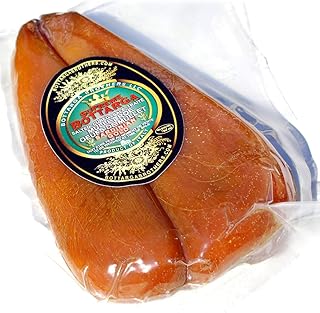
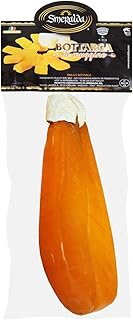
Bottarga is the Italian name for the cured roe sacs of certain fish, primarily the grey mullet (bottarga di muggine) or, less commonly, tuna (bottarga di tonno). The process is deceptively simple yet requires expert timing: the fresh roe sacs are carefully extracted, massaged to remove veins, heavily salted, and then pressed and air-dried for several weeks or even months. The result is a firm, dense block with a waxy texture, ranging in color from deep amber to dark burgundy. Its flavor is intensely savory, briny, and rich with a complex umami character that has been compared to aged cheese, the sea, and sun-drenched minerals.
The Heart of Production: Cabras, Sardinia
The quality of bottarga is intrinsically linked to its terroir—or rather, its "merroir." The shallow, saline waters of the Cabras lagoon on Sardinia's west coast create a unique ecosystem. The grey mullet that thrive here feed on specific algae and microorganisms, imparting a distinctive sweetness and complexity to their roe that cannot be replicated elsewhere. This is why Cabras, Sardinia is synonymous with the world's best bottarga. Producers like those behind "L'Oro di Cabras" (The Gold of Cabras) follow generations-old techniques, respecting the slow, natural drying process that allows the flavors to concentrate without the use of artificial additives or excessive heat.
Bottarga Di Muggine: A Product of Patience and Craft
When seeking an authentic experience, look for whole bottarga from this renowned region. A product like Bottarga Di Muggine (Grey Mullet Roe) - Whole - L'Oro di Cabras, Sardinia, Italy represents the craft in its purest form. The "whole" designation means you receive the intact, cured roe sac, which preserves flavor and aroma far better than pre-grated versions. Grating it fresh, just before serving, releases its potent fragrance and ensures the optimal texture and taste. This hands-on approach connects you directly to the artisan's work, turning a simple dish into a special occasion.
How to Use Bottarga in Your Kitchen: From Simple to Sublime
The beauty of this Italian delicacy lies in its versatility. It should be used as a finishing element, not cooked, to preserve its delicate aroma. The classic and most celebrated preparation is Spaghetti alla Bottarga: spaghetti tossed with high-quality olive oil, garlic, lemon zest, and a generous snowfall of freshly grated bottarga. Beyond pasta, it elevates countless dishes:
- Appetizers: Shave thinly over crostini with butter or avocado, or add to seafood tartare.
- Salads: Grate over a simple shaved fennel salad or a classic tomato and onion salad.
- Eggs: A transformative topping for scrambled eggs or a frittata.
- Vegetables: Finish grilled asparagus, roasted potatoes, or sautéed greens.
- Butters & Oils: Mix grated bottarga into softened butter or olive oil for an instant compound butter or infused oil.
Selecting, Storing, and Serving Your Bottarga
Choosing a high-quality product is essential. Look for a whole sac that feels firm and dry to the touch, not soft or oily. The color should be even and deep. Once acquired, wrap it tightly in parchment paper or foil and store it in the refrigerator, where it can last for several months. For longer storage, vacuum-seal and freeze it. To serve, use a very fine grater (like a microplane) or a sharp knife to shave it into thin slices or a fine powder. Always grate it at the last moment to capture its full, mesmerizing scent.
Why Bottarga Di Muggine from Cabras Stands Apart
In a market with many options, the designation of origin is your guarantee of authenticity and quality. The specific conditions of the Cabras lagoon, combined with artisanal methods passed down through families, create a salted fish roe with unmatched balance. It possesses a powerful saltiness that is never harsh, a profound umami depth, and a clean, lingering finish of the sea. It's an ingredient that commands respect and transforms a meal through sheer intensity of flavor. For those ready to explore this pinnacle of grey mullet roe, seeking out a authentic whole bottarga from Sardinia is the only true path.
Beyond the Plate: The Cultural Heritage of Bottarga
Bottarga is more than food; it's a cultural artifact. Its production is a seasonal ritual tied to the fishing cycles of the lagoon. For centuries, it served as a vital source of protein and a tradable commodity for Sardinian communities. Today, it represents a slow food ethos—a resistance to industrial food production and a celebration of locality, seasonality, and manual skill. Each slice or grate is a taste of Sardinia's history, landscape, and the unwavering dedication of its producers.
Whether you are a seasoned gourmand or a curious home cook, introducing Bottarga into your pantry is an investment in flavor. Start with the classic spaghetti, then let its savory magic inspire you. From the pristine waters of Cabras to your table, it offers a direct, unforgettable connection to one of the Mediterranean's oldest and most glorious culinary traditions.