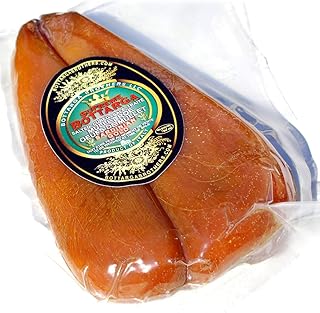
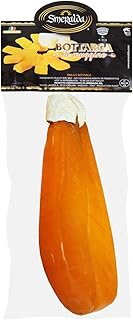
Often called "Sardinian gold," Bottarga is a culinary treasure that has been prized in Mediterranean cuisine for centuries. This cured fish roe, typically from grey mullet or tuna, offers a concentrated burst of savory, briny, and umami-rich flavor that can transform simple dishes into gourmet experiences. For home cooks and chefs looking to explore this unique ingredient, understanding its history, production, and versatile applications is key. This guide will delve into the world of Bottarga, with a special focus on how to incorporate a high-quality product like Sanniti Bottarga Cured Mullet Roe into your kitchen repertoire.
What is Bottarga? A Brief History of a Mediterranean Staple
The art of curing fish roe dates back to ancient times, with evidence suggesting the Phoenicians and Carthaginians were among the first to preserve roe in salt. The technique was perfected in coastal regions of Italy, particularly Sardinia and Sicily, as well as in parts of Greece and North Africa. Traditionally, the whole roe sacs from grey mullet (bottarga di muggine) are carefully removed, salted, pressed, and air-dried for several weeks. This meticulous process results in a firm, waxy block with a deep amber color and an intensely savory flavor profile. Unlike fresh caviar, Bottarga is meant to be grated or shaved over finished dishes, where its salinity and umami act as a powerful seasoning agent.
Why Sanniti Bottarga Stands Out: Quality and Craftsmanship
Not all Bottarga is created equal. The quality depends on the freshness of the roe, the skill of the salting and drying process, and the origin of the fish. Sanniti's offering represents a commitment to this traditional artisanal food craft. Sourced from premium grey mullet and cured using time-honored methods, it delivers the authentic, complex taste that defines true Italian delicacy. The 3.53 oz package is an ideal size for home use, allowing you to experiment without commitment while ensuring the product remains fresh after opening.
The Flavor Profile: Unlocking the Power of Umami
The primary allure of Bottarga is its profound umami flavor. It tastes of the sea—briny and oceanic—but with nutty, savory, and slightly sweet undertones. There's no fishy taste, only a clean, concentrated essence. When grated, it melts slightly from the heat of the food, releasing its oils and perfuming the entire dish. This makes it an exceptional gourmet ingredient for enhancing and finishing a wide variety of recipes.
How to Use Bottarga in Your Kitchen: A Practical Guide
The Classic: Pasta alla Bottarga
This is the most iconic application. Simply cook spaghetti or linguine until al dente. In a pan, gently warm high-quality olive oil with a minced garlic clove (optional). Toss the drained pasta in the oil, adding a ladle of pasta water to create an emulsion. Remove from heat and generously grate Sanniti Bottarga over the top, along with fresh parsley and a crack of black pepper. The residual heat will soften the roe, creating a sublime, simple sauce. It's the ultimate pasta topping.
Beyond Pasta: Creative Culinary Applications
Bottarga's versatility extends far beyond pasta. Try these ideas:
- Salads & Vegetables: Grate over shaved fennel, endive, or roasted asparagus. It pairs wonderfully with citrus vinaigrettes.
- Eggs: Elevate scrambled eggs, omelets, or a simple fried egg with a sprinkle of grated Bottarga.
- Seafood: Use it as a garnish for grilled fish, seared scallops, or crudo dishes to amplify their natural sea flavors.
- Appetizers: Shave thin slices onto crostini spread with ricotta or avocado. A drizzle of olive oil and a squeeze of lemon complete it.
- Risotto & Polenta: Stir grated Bottarga into a creamy risotto or polenta just before serving for a deep umami boost.
Storing and Preparing Your Bottarga
To preserve its quality, keep your cured mullet roe tightly wrapped in parchment paper or beeswax wrap inside the refrigerator. Avoid plastic wrap, which can cause condensation. For serving, you have two main options: grating and slicing. Use a microplane or the fine side of a box grater for a fluffy, snow-like texture that distributes evenly. For a more dramatic presentation, use a sharp knife or a mandoline to shave paper-thin slices or slivers. Always add Bottarga at the end of the cooking process to preserve its delicate flavor and texture.
Bottarga vs. Other Luxury Ingredients
While often compared to caviar, Bottarga serves a different purpose. Caviar is a delicate, pop-in-your-mouth treat often eaten alone. Bottarga is a seasoning, a seafood caviar meant to enhance other foods. It's also more economical per serving, as a small amount goes a very long way. Compared to anchovies or fish sauce, it offers a cleaner, less aggressive salinity and a unique textural component.
Conclusion: Embracing the Art of Bottarga
Incorporating Bottarga into your cooking is an exploration of flavor and tradition. A product like Sanniti Bottarga Cured Mullet Roe provides an authentic gateway to this world. Start with the classic pasta, then let your creativity flow—grate it over salads, eggs, or grilled vegetables. Its powerful umami can simplify your cooking; often, a dish needs little more than good olive oil, lemon, and a snowfall of grated Bottarga to feel complete and deeply satisfying. Discover why this ancient Italian delicacy continues to captivate chefs and food lovers around the globe.