In the world of gourmet ingredients, few can match the intense, briny, and profoundly savory punch of Bottarga. Often referred to as "Sardinian gold," this cured fish roe is a cornerstone of Mediterranean cuisine, prized for its unique ability to elevate simple dishes into extraordinary culinary experiences. But what exactly is this mysterious delicacy, and how can you incorporate it into your cooking? This guide will demystify Bottarga, exploring its rich history, production, and the best ways to enjoy its unparalleled umami flavor.
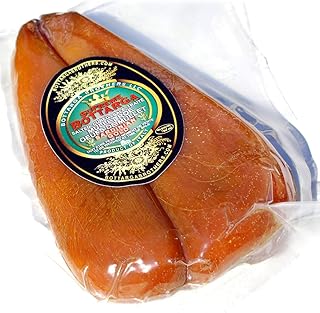
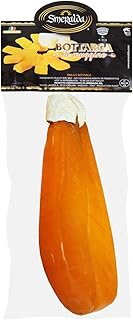
At its core, Bottarga is the salted, cured, and air-dried roe sac of grey mullet (Mugil cephalus) or, less commonly, tuna. The process is an ancient art, passed down through generations, particularly in the coastal regions of Sardinia and Sicily. The fresh roe sacs are carefully massaged with sea salt, then pressed and slowly dried for several weeks. This traditional method concentrates the flavors, resulting in a hard, amber-colored block that can be grated or sliced. The most revered type is Sardinian Bottarga, known for its delicate balance of saltiness and complex oceanic notes.
The history of Bottarga stretches back millennia, with evidence suggesting it was a prized foodstuff for Phoenician and Roman traders. Its longevity was born out of necessity—a brilliant method of preservation that captured the essence of the sea. Today, it remains a symbol of Italian delicacy and culinary heritage. Unlike caviar, which is served as is, Bottarga is primarily used as a seasoning or garnish, where a little goes a very long way in imparting depth and complexity.
Why Choose Grated Bottarga?
While whole Bottarga blocks are beautiful, they require a specific tool (a mandoline or a very sharp knife) and technique to shave thinly. For the home cook, grated Bottarga offers unparalleled convenience and consistency. Our Sardinian Grated Bottarga, Premium Fish Roe (50 grams) is prepared from the finest quality roe, meticulously cured and grated to a perfect texture. This ready-to-use format ensures you get the full, explosive flavor without any fuss, making it easy to sprinkle over pasta, salads, or eggs.
Using pre-grated Bottarga also helps preserve its quality. Once a whole block is cut, it can begin to oxidize and lose its aromatic potency. Our vacuum-sealed package protects the delicate premium fish roe, locking in freshness and flavor until the moment you're ready to create a masterpiece. It’s the ideal introduction for those new to this gourmet ingredient and a trusted staple for seasoned chefs.
Culinary Uses: Unleashing the Power of Umami
The magic of Bottarga lies in its application. Heat can diminish its nuanced flavor, so it is almost always added at the end of cooking or used raw. Here are classic and innovative ways to use it:
The Quintessential Pasta Dish
No discussion of Bottarga is complete without mentioning pasta. Spaghetti alla Bottarga is a legendary dish. Simply cook spaghetti al dente, toss it in a pan with high-quality olive oil, garlic, and a pinch of chili flakes. Remove from heat and generously grate a hearty amount of Bottarga over the pasta, allowing the residual warmth to melt it slightly. The result is a simple yet profoundly flavorful dish where the umami flavor of the roe coats every strand. It’s the ultimate pasta topping.
Beyond Pasta: A Versatile Garnish
Think of grated Bottarga as your secret weapon for adding a fifth taste dimension. Sprinkle it over:
- Eggs: Transform scrambled eggs, omelets, or a simple fried egg with a dusting of Bottarga.
- Salads: Elevate a simple tomato and onion salad or a plate of shaved fennel.
- Seafood: Enhance grilled fish, scallops, or crudo (Italian-style raw fish).
- Vegetables: Add a savory punch to roasted asparagus, grilled zucchini, or creamy risotto (added after plating).
- Appetizers: Top crostini with avocado or burrata for an instant gourmet touch.
The key is to let the Bottarga be the star. Pair it with mild, creamy, or sweet ingredients that will complement rather than compete with its bold character.
Selecting and Storing Your Bottarga
Quality is paramount. Premium Sardinian Bottarga should have a uniform, deep amber color and a firm, dry texture. It should smell of the sea—clean and briny—without any overly fishy or ammonia-like odors. Our grated Bottarga is sourced from trusted artisans in Sardinia, guaranteeing an authentic and superior product.
Storage is simple. Keep unopened grated Bottarga in a cool, dark place. Once opened, transfer it to an airtight container in the refrigerator, where it will maintain optimal flavor for several weeks. Avoid freezing, as it can alter the delicate texture and taste.
Bottarga vs. Other Gourmet Ingredients
It's natural to compare Bottarga to other luxury ingredients. Unlike caviar, which is about a pop of briny juice and is served cold, Bottarga offers a concentrated, salty-savory flavor that melts and seasons food. It is more akin to a hard, aged cheese like Pecorino Romano in its use as a grating ingredient, but with a distinctly marine profile. It shares the umami flavor depth with ingredients like anchovies or dried mushrooms but presents it in a unique, elegant form.
Bringing Sardinian Tradition to Your Kitchen
Incorporating Bottarga into your cooking is more than just using a new ingredient; it's an invitation to explore a rich culinary tradition. It encourages simplicity, quality, and respect for raw materials. By choosing our premium grated Bottarga, you are not just buying a product; you are acquiring a piece of Sardinian heritage, ready to transform your everyday meals.
Start your journey with this unparalleled Italian delicacy today. Explore the depth of flavor that has captivated chefs and food lovers for centuries. Whether you're dressing a simple plate of spaghetti or looking for the perfect finish for your seafood feast, Bottarga is the versatile, powerful, and utterly delicious gourmet ingredient your kitchen has been missing.