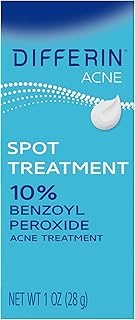
For anyone navigating the frustrating journey of post-acne marks and sensitive skin, finding an effective yet gentle treatment can feel like searching for a holy grail. Enter adapalene gel, a retinoid famously known by its brand name, Differin Gel. Once a prescription-only powerhouse, this over-the-counter treatment has revolutionized acne scar treatment and active breakout management for millions. But with great power comes great responsibility, especially for those with reactive or delicate complexions. This comprehensive review dives deep into whether this resurfacing scar gel lives up to its promises for acne-prone and sensitive skin.
Before we analyze its performance, it's crucial to understand what makes Differin Gel unique. Its active ingredient is adapalene (0.1%), a third-generation retinoid. Unlike harsh physical exfoliants, adapalene works at a cellular level. It normalizes skin cell turnover, prevents the clogging of pores that leads to acne, and reduces inflammation. This trifecta of actions is what makes it effective not just for active pimples but also for the post-inflammatory hyperpigmentation (PIH) and textural scars they leave behind. By encouraging faster, healthier skin regeneration, it helps fade dark spots and smooths uneven texture over time.
For those with sensitive skin, the word "retinoid" can trigger alarm bells, often associated with redness, peeling, and irritation. This is where Differin's formulation is a game-changer. Compared to older retinoids like tretinoin, adapalene is more stable and selectively targets specific skin receptors, which translates to potent efficacy with a potentially lower risk of irritation. The gel in question is specifically marketed as a gentle skin care option, often formulated to be non-comedogenic, fragrance-free, and alcohol-free—key checkboxes for a sensitive skin routine.
So, how does it perform as a dedicated scar treatment? The term "resurfacing" is apt. This isn't an overnight miracle worker for deep pitted scars, but for the more common discolorations and mild textural irregularities, it's highly effective. Consistent use over 8-12 weeks typically shows visible improvement in the appearance of post-acne marks. It works by gradually exfoliating the top layers of skin, dispersing melanin clumps that cause dark spots, and promoting collagen production to improve skin's overall texture and resilience. As a spot treatment or all-over application, it helps create a more uniform canvas.
Integrating any retinoid into a sensitive skin regimen requires a strategic approach to avoid the dreaded "retinization" phase (initial dryness and peeling). Here is a gentle, proven method:
The Buffering Method: Apply a light, fragrance-free moisturizer to damp skin first. Wait 20 minutes for it to fully absorb, then apply a pea-sized amount of Differin Gel. This creates a protective barrier that slows absorption, minimizing irritation.
Start Slow: Begin using it 2-3 nights a week, not every night. Gradually increase frequency as your skin builds tolerance.
Sun Protection is Non-Negotiable: Retinoids increase sun sensitivity. Daily use of a broad-spectrum SPF 30+ is mandatory to prevent further hyperpigmentation and protect your new, vulnerable skin cells.
Simplify Your Routine: During the initial adjustment period (first 4-6 weeks), pause using other active ingredients like AHAs, BHAs, benzoyl peroxide (unless in a morning wash), or vitamin C. Stick to a gentle cleanser, moisturizer, sunscreen, and Differin.
Every product has its trade-offs. For this resurfacing gel, the primary advantage is its proven, dermatologist-recommended efficacy for both acne and scars in a relatively gentle OTC form. It's a cost-effective, multi-tasking product. The potential cons involve the mandatory commitment and patience required. Results take months, not days. The initial purging period (where skin may break out more as it rapidly brings clogs to the surface) can be discouraging, and without proper moisturizing and sun protection, irritation is likely.
Is this the right pore minimizer and scar treatment for you? If you have mild to moderate acne, persistent post-acne marks, and sensitive skin that you've managed to calm with a basic routine, Differin Gel is an excellent candidate to introduce. However, if your skin barrier is currently compromised, you're experiencing severe cystic acne, or you're unable to commit to a strict sunscreen routine, it may be wise to consult a dermatologist first. They can assess if adapalene is suitable or if an alternative approach is better.
In the realm of accessible acne scar treatments, Differin Gel stands out as a formidable, research-backed option. Its transition from prescription to over-the-counter has democratized effective retinoid therapy. For the patient individual with sensitive, acne-prone skin, it offers a pathway to clearer, smoother, and more even-toned skin. Success hinges on respecting its potency: start low, go slow, moisturize diligently, and shield faithfully from the sun. When used correctly, this little tube of gel can be a transformative step in your gentle skin care journey, effectively resurfacing the past to reveal healthier-looking skin for the future.