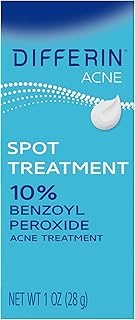
For millions struggling with persistent acne, finding an effective yet gentle treatment can feel like an endless quest. Over-the-counter options often fall short, while prescription medications can be harsh and inaccessible. Enter Adapalene Gel 0.1%, the active ingredient in Differin Gel, which revolutionized acne care by becoming the first prescription-strength retinoid available over the counter. This guide delves deep into how this powerful yet manageable treatment works, who it's for, and how to integrate it into your skincare routine for clear, healthy skin.
What is Adapalene and How Does Differin Gel Work?
Adapalene is a third-generation topical retinoid, a class of vitamin A derivatives renowned for their ability to regulate skin cell turnover. Unlike harsh scrubs or drying agents that attack acne superficially, Differin Gel works at the cellular level. Its primary mechanism is normalizing the lifecycle of skin cells within the follicle (pore). It prevents the hyperkeratinization process—where dead skin cells clump together and clog pores—that leads to comedones (whiteheads and blackheads). By keeping pores clear, it prevents the formation of new acne lesions. Furthermore, it possesses anti-inflammatory properties, making it particularly effective against the red, painful papules and pustules associated with inflammatory acne.
Why Choose a 0.1% Adapalene Formula for Acne?
The 0.1% concentration found in this gel represents a sweet spot in acne treatment efficacy. It's strong enough to deliver significant, clinically-proven results for mild to moderate acne, yet formulated to minimize the irritation historically associated with retinoids like tretinoin. This specific formulation is designed for sustained use, which is why options like a 180-day acne supply are valuable. Acne treatment is a marathon, not a sprint; consistent, long-term application is key to preventing recurrence and achieving lasting clarity. The gel vehicle also allows for lightweight, non-comedogenic application, which is crucial for acne-prone skin care regimens that aim not to add more pore-clogging ingredients.
Benefits for Sensitive and Acne-Prone Skin Types
One of the standout features of this adapalene treatment is its consideration for delicate complexions. Many with acne also contend with sensitivity, redness, and a compromised skin barrier. Traditional acne fighters like benzoyl peroxide can be excessively drying and irritating. This gel, however, is often better tolerated. Its microsphere technology helps to control the release of the active ingredient, potentially reducing initial irritation. When paired with a gentle, reparative skincare routine, it can be a cornerstone for effective sensitive skin treatment. The goal is to treat the acne without dismantling the skin's protective barrier, a balance this product is engineered to help achieve.
Building Your Skincare Routine Around Differin Gel
Success with any retinoid, including adapalene, hinges on proper application and supportive skincare. A minimalist, hydrating approach is best. Start by cleansing with a gentle, non-foaming cleanser to remove impurities without stripping the skin. Pat your face completely dry—applying retinoids to damp skin can increase penetration and irritation. Apply a pea-sized amount of the gel to the entire affected area (often the face), not just individual spots, every other night for the first few weeks to allow your skin to acclimate. Follow with a fragrance-free moisturizer to combat dryness and support the skin barrier. In the morning, sunscreen is non-negotiable. Retinoids increase photosensitivity, making daily SPF 30 or higher the most critical step to prevent sun damage and hyperpigmentation.
What to Expect: The Retinoid Adjustment Period
New users should be prepared for a "retinization" period, typically lasting 2-6 weeks. It's common to experience some dryness, peeling, redness, or a slight purging of existing microcomedones (small, under-the-skin clogs) as the skin accelerates its renewal process. This is distinct from a bad reaction; purging is temporary and indicates the medication is working. Mitigate these effects by using the gel less frequently (e.g., every third night), applying moisturizer first as a buffer, and avoiding other potentially irritating actives like physical scrubs, AHAs/BHAs, or vitamin C during the initial adjustment phase. Consistency and patience are paramount.
Comparing Adapalene to Other Acne Treatments
Understanding where adapalene fits in the acne treatment landscape helps in making an informed choice. Compared to benzoyl peroxide (BPO), adapalene is less drying and better at preventing comedones, while BPO is a potent antibacterial. They can be complementary, but using them simultaneously can be highly irritating without medical guidance. Compared to prescription tretinoin, adapalene is generally more stable (less degraded by light and air) and often better tolerated, with a more targeted receptor profile that may lead to less irritation. For those seeking a prescription-strength retinoid benefit without the prescription, adapalene 0.1% is a uniquely accessible and effective option, sitting between OTC retinol and stronger prescription retinoids in terms of potency and tolerance.
Long-Term Management and the Value of a 180-Day Supply
Acne is a chronic condition for many, and maintenance therapy is essential to prevent relapse. After the initial 12-week period where significant improvement is typically seen, continuing use 3 times per week or as directed can maintain clear skin. This is where the practical and economic value of a bulk supply becomes clear. A 180-day supply ensures you have a consistent stock of your treatment, preventing gaps in use that can lead to breakouts. It also often represents better value per gram. Committing to a long-term supply reinforces the mindset that clear skin is an ongoing process of care, not a one-time fix.
Who is This Treatment Best Suited For?
This adapalene acne treatment is an excellent first-line option for adults and adolescents (age 12+) with mild to moderate comedonal (blackheads/whiteheads) and inflammatory (red bumps) acne. It's particularly suitable for those who have found traditional OTC salicylic acid or benzoyl peroxide products ineffective or too drying. Individuals with sensitive skin who wish to try a retinoid may also find it more tolerable than other options. However, it is not recommended for pregnant, breastfeeding, or trying-to-conceive individuals, as with all retinoids. Consulting a dermatologist is always advised for severe cystic acne or if no improvement is seen after 12 weeks of consistent use.
Final Verdict: Is Differin Gel Right for You?
Differin Gel containing 0.1% adapalene stands as a landmark in accessible acne care. It offers a proven, prescription-strength mechanism of action with a formulation geared towards better tolerability. Its success depends on user education and commitment: understanding the adjustment period, adopting a gentle supporting routine, and using it consistently for months. For the patient individual with persistent, mild-to-moderate acne seeking a long-term solution, this retinoid treatment represents a powerful tool. By normalizing skin cell behavior and reducing inflammation, it doesn't just treat existing blemishes—it helps rebuild skin that is less prone to acne in the future, paving the way for a clearer, more resilient complexion.