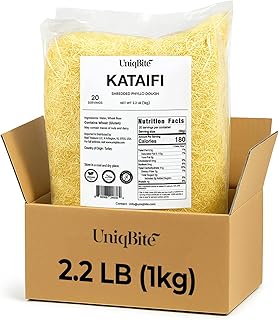
If you're a fan of baklava, kunafa, or other syrup-soaked pastries, you absolutely must meet its close cousin: Kadayif. This iconic Turkish dessert, sometimes spelled 'kadayıf' or 'kataifi', is a masterpiece of texture and flavor, featuring delicate, shredded pastry threads soaked in sweet syrup and often filled with nuts. More than just a sweet treat, it's a cornerstone of Turkish and Middle Eastern hospitality and culinary tradition. In this complete guide, we'll unravel the secrets of this delicious dessert, from its fascinating history to the different ways you can enjoy it today.
The History and Origins of Kadayif
The exact origins of Kadayif are shrouded in the mists of time, much like many ancient desserts. Food historians believe its roots lie in the kitchens of the Ottoman Empire, which spanned Southeastern Europe, Western Asia, and North Africa for centuries. The empire's palace kitchens, like the famous Topkapı Palace, were hubs of culinary innovation, where chefs created elaborate dishes to impress sultans and dignitaries.
It's widely thought that Kadayif evolved alongside its more famous relative, baklava. While baklava uses layers of paper-thin phyllo dough, an inventive pastry chef likely sought to create a different texture. The result was a dough that was extruded into fine, hair-like threads, creating a uniquely crisp and airy base when baked. The name 'kadayif' itself is thought to derive from the Arabic word 'qatayif', which refers to a family of stuffed pancakes, highlighting the interconnected dessert culture of the region. Today, it remains a beloved staple, not just in Turkey but across the Balkans, the Levant, and the Middle East.
Kadayif vs. Kunafa (Knafeh): What's the Difference?
This is a common point of confusion! Both desserts use the same shredded pastry threads (which are often sold pre-made as 'kataifi' or 'kadayif dough'). The key difference lies in the preparation and filling. Traditional Kadayif is typically baked. The shredded dough is often layered or wrapped around a filling—most commonly crushed walnuts or pistachios—then baked until golden and crisp. After baking, it's drenched in a light sugar syrup, often flavored with lemon and a touch of rose or orange blossom water.
Kunafa (or Knafeh), on the other hand, is often associated with Levantine cuisine (Palestine, Jordan, Lebanon, Syria). It famously features a cheese filling, like akkawi or nabulsi cheese, which becomes deliciously soft and stretchy when baked. Some versions also use a clotted cream (ashta) filling. While kunafa can be baked, it's also commonly cooked on a large, round griddle. So, while they share a DNA in the pastry, Kadayif leans nutty and crisp, while kunafa is celebrated for its gooey, cheesy center.
The Main Types of Kadayif
Not all Kadayif is created equal! There are several popular styles, each with its own charm:
1. Tel Kadayıf (Thread Kadayif)
This is the classic form. The kataifi dough is used as-is, shaped into nests or layered in a tray. It's mixed with melted butter, filled with nuts, and baked. The result is a glorious contrast: a super-crisp, golden-brown exterior that gives way to a syrup-infused, nutty interior. It's the most common type you'll find in pastry shops.
2. Burma Kadayıf (Rolled Kadayif)
A true showstopper. Here, the shredded dough is spread out, filled with a line of nuts (often pistachios for a vibrant green color), and then carefully rolled into a thick log or cylinder before baking. When sliced, it reveals a beautiful spiral of golden pastry and green nuts. It's a popular choice for special occasions and gifts.
3. Ekmek Kadayıfı (Bread Kadayif)
This is a different beast altogether and shares a name more due to its preparation than its ingredients. Ekmek Kadayıfı is actually made from a special, soft, round bread that is baked, then soaked in syrup and topped with a thick layer of kaymak (clotted cream) or whipped cream. It's incredibly moist and decadent.
How is Authentic Kadayif Made? A Step-by-Step Look
Making Kadayif from scratch is a labor of love, often reserved for professional pastry chefs. The process starts with creating the dough, which is a simple mixture of flour, water, and a bit of salt. The magic happens with a special tool called an 'kadayif machine' or 'kataifi maker'. This device has a hot plate on top. The thin batter is poured onto the hot, rotating plate, where it instantly cooks into a thin film. As the plate turns, a blade scrapes the cooked dough off in continuous, fine threads, which are collected.
For home cooks, the good news is that excellent quality pre-made kataifi dough is widely available in the freezer section of Middle Eastern or international grocery stores. Here's a simplified process using store-bought dough:
- Thaw & Separate: Thaw the frozen kataifi dough overnight in the fridge. Gently separate the threads with your fingers to loosen them.
- Butter & Shape: Melt a generous amount of good-quality butter (or clarified butter/ghee). Thoroughly coat the kataifi threads with the butter. Press the buttered dough into a baking dish for a tray style, or take portions to shape into nests or rolls around your filling.
- Add Filling: The classic filling is a mix of finely chopped walnuts or pistachios, often with a sprinkle of sugar and cinnamon.
- Bake: Bake in a preheated oven (around 350°F/180°C) until deeply golden brown and crisp all over.
- Syrup: While it bakes, prepare a simple syrup of sugar, water, lemon juice (to prevent crystallization), and a splash of rose or orange blossom water. The critical rule: Pour cold syrup over hot pastry, or hot syrup over cold pastry. This ensures the pastry absorbs the syrup and stays crisp. Pour the cooled syrup over the hot Kadayif as soon as it comes out of the oven.
- Rest & Serve: Let it rest for several hours to fully absorb the syrup. Serve at room temperature, often garnished with more crushed pistachios.
Where to Find and How to Enjoy Kadayif
Your best bet for authentic Kadayif is a dedicated Turkish or Middle Eastern pastry shop (pastane). In cities with large Turkish communities, these shops are treasure troves of sweet delights. Look for it in glass display cases, often sold by weight. You can also find it in some well-stocked Mediterranean restaurants as a dessert option.
Kadayif is traditionally served at room temperature alongside a strong cup of Turkish coffee or a glass of black tea. The bitterness of the coffee perfectly balances the sweetness of the pastry. It's a staple during religious holidays like Ramadan (iftar meals) and Eid, as well as at celebrations like weddings and births.
Tips for Buying and Storing Kadayif
If you're buying pre-made, look for a vibrant golden-brown color without any dark, burnt spots. It should feel light and crisp. Fresh Kadayif is best consumed within 1-2 days. You can store it in an airtight container at room temperature. Avoid refrigeration, as it can cause the pastry to become soggy. The syrup acts as a preservative, so it stays good for a short while.
To explore a wide variety of this and other traditional sweets, visiting a specialist retailer is key. For those looking to experience authentic Kadayif, seeking out a reputable source ensures you taste this dessert as it's meant to be.
Conclusion: A Dessert Worth Discovering
Kadayif is more than just a dessert; it's a textural experience and a delicious piece of culinary history. Its unique shredded pastry, combined with the aromatic sweetness of the syrup and the richness of nuts, creates a symphony of flavors that is unforgettable. Whether you seek it out at a local bakery, attempt to make it at home with store-bought dough, or are lucky enough to try it in Turkey, this iconic sweet is a journey for the senses. Its enduring popularity is a testament to the timeless appeal of well-crafted, syrup-drenched pastries.