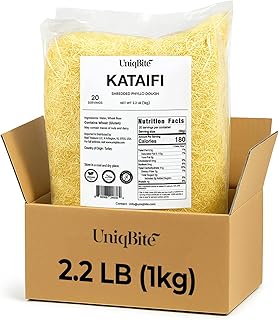
If you've ever marveled at the delicate, golden threads of a perfectly baked kadayif dessert, you know there's something magical about this unique pastry. Unlike its cousin, the smooth sheet of phyllo dough, kadayif consists of fine, shredded strands that create a wonderfully crispy and textured base for both sweet and savory creations. Whether you're a home baker looking to expand your repertoire or a culinary enthusiast curious about Middle Eastern pastries, understanding how to work with this versatile ingredient opens up a world of delicious possibilities.
This comprehensive guide will take you beyond the basics. We'll explore the different types of kadayif available, share essential preparation techniques to prevent common pitfalls, and provide a collection of inspiring recipes that range from the iconic knafeh to modern, viral sensations. By the end, you'll have the confidence and knowledge to transform a simple package of dried kadayif into stunning, show-stopping desserts.
What Exactly is Kadayif Dough?
Often referred to as shredded or shredded fillo dough, kadayif (also spelled kataifi) is a key component in many desserts from Turkey, Greece, and the broader Middle East. The dough itself is made from a simple mixture of flour, water, and a bit of oil, which is then extruded through special machines to create those signature long, thin strands. These strands are then partially cooked and dried for preservation, resulting in the product you find in stores—like our Premium Dried & Shredded Kadayif. When rehydrated with butter or syrup and baked, the strands crisp up beautifully, offering a unique contrast to creamy fillings.
It's important to distinguish it from standard phyllo dough. While both are thin and used in layered pastries, phyllo comes in sheets, and kadayif comes in shreds. This fundamental difference in form dictates different handling techniques and final textures. The shredded nature of kadayif allows it to trap syrup and butter more effectively, creating pockets of flavor and a satisfying crunch that is entirely its own.
Essential Preparation Techniques Before You Bake
Success with kadayif starts long before it goes into the oven. Proper preparation is crucial to avoid a dry, brittle, or soggy result. Here are the non-negotiable steps for working with dried kadayif.
1. Thawing and Separating the Strands
Most kurutulmus kadayif (dried kadayif) is sold frozen to maintain freshness. The first step is to thaw it slowly in the refrigerator overnight. Never use a microwave or warm water to speed up this process, as it can cause the strands to become gummy and stick together. Once thawed, gently loosen the clumps with your fingers. The goal is to have fluffy, separate strands that will bake evenly. If you find the shreds are too long for your pan, you can roughly chop them with kitchen shears for easier handling.
2. The Butter Baste: Your Secret Weapon
This is the step that transforms dry shreds into golden, flavorful pastry. Using clarified butter (ghee) is highly recommended because it has a higher smoke point and won't burn as easily as regular butter. Melt the butter and, using a pastry brush or your fingers, meticulously work it into the loosened kadayif strands. Ensure every strand gets a light coating. This not only adds rich flavor but also promotes even browning and that essential crispy texture. For a standard 500g package, you'll typically need about 200-250g of melted clarified butter.
3. Pressing for Perfect Structure
After buttering, the kadayif needs to be pressed firmly into your baking dish. Whether you're making a bottom crust or a top layer, use the bottom of a glass or a measuring cup to press it down evenly and compactly. A firm press ensures the shreds bake together into a cohesive layer that can support fillings without falling apart when sliced.
From Classic to Viral: Kadayif Recipe Inspirations
Now for the fun part—what to make! Kadayif's neutral flavor profile makes it the perfect canvas for a wide array of fillings, from nutty and cheesy to fruity and chocolatey.
The Iconic: Knafeh (Künefe)
No exploration of kadayif is complete without knafeh, a legendary dessert beloved across the Levant. It features a layer of buttered kadayif encasing a core of mild, stretchy cheese (like Nabulsi or mozzarella), baked until bubbling and golden, then drenched in a sweet, rose-orange blossom scented syrup. The contrast of the crispy, syrup-soaked shreds with the warm, salty cheese is nothing short of heavenly.
The Modern Sensation: Kadayif Cups & Nests
This is where creativity shines. Press buttered kadayif into muffin tins to form small cups or free-form little nests on a baking sheet. Bake until crisp, then let them cool. These edible vessels can be filled with whipped cream and berries, a dollop of custard and caramel, or a scoop of ice cream and crushed pistachios for an elegant, individual dessert.
The Showstopper: Dubai Chocolate Pistachio Bars
This viral treat perfectly showcases how shredded kadayif can be used in contemporary desserts. It involves creating a base layer of pressed and baked kadayif, topping it with a rich layer of chocolate ganache or high-quality chocolate, and then finishing with a generous sprinkle of crushed pistachios. Once set, it's cut into bars. The combination of the crunchy kadayif base, smooth chocolate, and nutty pistachios is incredibly addictive and visually stunning—a true testament to the versatility of this pastry dough.
The Simple Sweet: Kadayif Rolls with Nuts
A simpler yet utterly delicious option. Take small handfuls of the buttered kadayif, place a line of chopped walnuts or pistachios mixed with a bit of sugar and cinnamon along one edge, and roll it up tightly. Place the rolls seam-side down on a baking sheet, bake until golden, and immediately dip them in or brush with a cold sugar syrup. They are crunchy, sweet, nutty, and perfect with coffee.
Pro Tips for Kadayif Success
- Syrup Temperature is Key: Always pour cold syrup over hot pastry, or hot syrup over cold pastry. This temperature difference helps the pastry absorb the syrup without becoming soggy, maintaining its crucial crispness.
- Don't Skip the Rest: After adding syrup to any kadayif dessert, let it rest for at least 30-60 minutes. This allows the syrup to fully permeate the pastry, ensuring every bite is perfectly sweetened and moist.
- Storage Solutions: Unused dried kadayif should be tightly wrapped and refrozen. Baked kadayif desserts are best enjoyed the same day but can be kept at room temperature, covered, for 1-2 days. Re-crisp in a warm oven if needed.
Unlocking Your Pastry Potential
Mastering Kadayif is about embracing both its tradition and its potential for innovation. Starting with a quality product like our premium shredded kadayif ensures you have the best foundation for your culinary experiments. From the cheese-pull perfection of a traditional knafeh to the chic elegance of chocolate pistachio bars, this humble shredded dough is your ticket to creating desserts that impress and delight. So, loosen those strands, melt that butter, and get ready to bake something extraordinary.