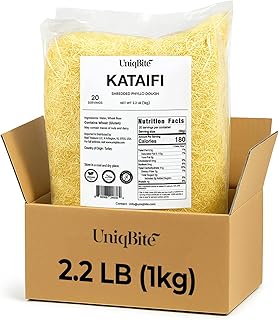
If you've been captivated by the stunning, honey-drenched pastries of the Middle East or the latest viral dessert sensation from Dubai, you've likely encountered Kadayif. This unique ingredient, also known as shredded fillo dough or kataifi, is the secret behind some of the world's most beloved and visually spectacular desserts. But what exactly is it, and how has it transitioned from traditional sweet shops to trending on social media feeds globally? This guide dives deep into the world of Kadayif, exploring its history, versatility, and the simple techniques you can use to master it in your own kitchen.
The Origins and Essence of Kadayif
Kadayif (pronounced kah-dah-YEEF) is a type of pastry dough made from thin strands of unleavened dough. Unlike its cousin, standard fillo (phyllo) dough, which comes in sheets, Kadayif is extruded into delicate, hair-like threads. These threads are then either used fresh or, more commonly for home cooks and global distribution, dried. The name itself has variations across regions: it's known as Kadayıf in Turkey, Kataifi in Greece, and is the essential component of desserts called Kunafa or Knafeh in the Levant and across the Arab world. Its creation is an art form, requiring specialized equipment to produce the fine, uniform strands that crisp up beautifully when baked or fried, creating a wonderfully contrasting texture against soft, sweet fillings.
Kadayif vs. Other Pastry Doughs: Understanding the Unique Texture
To truly appreciate Kadayif, it's helpful to understand what sets it apart. Standard phyllo dough sheets are layered to create flaky pastries like baklava. Kadayif, however, provides a completely different experience. The nest of shredded threads browns into a unified, crispy, and slightly chewy shell that soaks up syrups without becoming soggy. This makes it incredibly forgiving and versatile. When you purchase a package like the MELIKE Dried & Chopped Kataifi, you're getting a pre-chopped, dried version that's ready to hydrate and use, eliminating the need for specialized equipment and making authentic desserts accessible to everyone.
Traditional Treasure: Crafting the Perfect Kunafa (Knafeh)
The most iconic use of Kadayif is undoubtedly in Kunafa. This legendary dessert is a centerpiece of Middle Eastern cuisine, often served during celebrations and Ramadan. Traditionally, it features a layer of shredded Kadayif dough, buttered and pressed into a pan, encasing a layer of sweet cheese (like Nabulsi or Akkawi) or a rich clotted cream (ashta). The assembly is baked until golden and crisp, then immediately drenched in a fragrant sugar syrup flavored with rose water or orange blossom. The result is a magical contrast of textures: the crunchy, buttery top and bottom layers give way to a molten, stretchy, sweet interior. Using a quality dried shredded fillo dough ensures your Kunafa has the right structure and absorbs the syrup perfectly for an authentic taste.
The Modern Viral Sensation: The Dubai Chocolate Bar
In recent years, Kadayif has found a new, glamorous life in the viral Dubai chocolate bar. This dessert takes the concept of texture contrast to a luxurious level. The process involves toasting the shredded dough in butter until golden and crisp, then mixing it with chopped nuts—often pistachios—and binding it with a chocolate or caramel mixture. This crunchy blend is then pressed into a bar mold, covered in a layer of high-quality chocolate, and decorated with edible gold leaf or more nuts. The genius lies in the combination: the fine, crispy threads of the Kadayif provide a delicate crunch that's far superior to crushed wafers or rice crisps, creating a sophisticated and unforgettable treat. It's the perfect example of how a traditional Middle Eastern dessert ingredient can be reinvented for the global palate.
How to Work with Dried Kadayif Dough: A Step-by-Step Primer
Working with dried Kadayif is simpler than you might think. The key is proper rehydration. For most recipes, you'll start by thawing the dough if frozen, then separating the strands gently with your fingers. The next crucial step is to coat the strands evenly with melted butter or ghee. This not only adds flavor but ensures the strands crisp up individually instead of clumping together. For recipes like the viral chocolate bar, you'll then toast the buttered strands in a pan or oven until lightly golden and crisp. For traditional kataifi pastries, you might wrap the buttered strands around a filling of nuts before baking. A product like MELIKE's pre-chopped dough is particularly user-friendly for these modern applications, as the shorter strands are easier to mix and press into molds.
Beyond Desserts: Creative Culinary Uses for Kadayif
While sweet applications are king, the culinary potential of Kadayif doesn't stop there. Savory innovators have begun using it as a coating for fish or chicken, creating an ultra-crispy, delicate crust that holds sauces well. It can also be formed into nests and baked to create edible bowls for salads or appetizers. Its neutral flavor profile makes it a fantastic canvas for both sweet and savory spices. Exploring these uses highlights the incredible versatility of this ancient dried pastry dough, proving it's far more than a one-trick ingredient.
Selecting and Storing Your Kadayif for Best Results
For consistent success, choosing the right product is essential. Look for brands that offer pure ingredients—typically just wheat flour, water, and a little cornstarch. The strands should be fine, uniform, and not overly clumped. The MELIKE Dried & Chopped Kataifi Shredded Fillo Dough is an excellent choice for both beginners and experienced bakers due to its consistent quality and convenient pre-chopped format. Once opened, store any unused dried Kadayif in an airtight container in a cool, dry place. It can also be frozen for long-term storage. Proper storage maintains the dough's integrity, ensuring it crisps up perfectly every time you use it.
Mastering the Syrup: The Soul of Kadayif Desserts
No guide to Kadayif is complete without discussing the syrup. The syrup is what transforms the baked, crispy dough into a moist, flavorful dessert. A basic syrup is a simple combination of sugar, water, and lemon juice (which prevents crystallization) boiled until slightly thickened. The magic comes from the flavorings: a teaspoon of rose water, orange blossom water, or a dash of vanilla can define the character of your dessert. The golden rule is to pour cool or warm syrup over hot pastry, or hot syrup over cool pastry. This temperature difference helps the pastry absorb the syrup effectively without becoming a soggy mess, preserving that essential textural contrast.
Bringing It All Together: Your First Kadayif Project
Ready to try? Start with a simple, foolproof recipe like a mini Kunafa cups or the famed viral Dubai chocolate bar. For the chocolate bar, you'll toast buttered Kadayif, mix it with pistachios and a chocolate-nutella blend, set it in a tray, and coat it in chocolate. The process is fun, engaging, and yields impressive results. Remember, the quality of your shredded fillo dough is the foundation. By starting with a reliable product, you ensure that your focus can be on technique and flavor, leading to a delicious and visually stunning dessert that honors both tradition and innovation.
From the bustling pastry shops of Istanbul and Beirut to the chic dessert bars of Dubai and your own kitchen, Kadayif's journey is a testament to the enduring power of great ingredients. Its unique texture and adaptability have secured its place for centuries and now fuel its modern viral fame. Whether you're crafting a time-honored Kataifi nut roll or a trendy chocolate creation, understanding this special dough opens up a world of culinary possibility. So, grab a package of shredded fillo dough, and start exploring the sweet, crispy, and utterly delightful world of Kadayif.