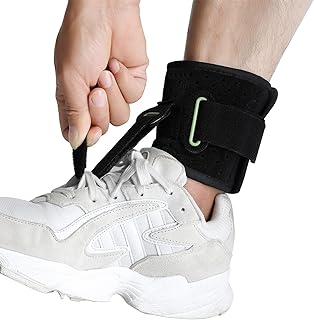
If you or a loved one is experiencing foot drop, instability, or recovering from a neurological event, you've likely heard the term AFO brace. But what exactly is it, and how can it transform daily life? An Ankle Foot Orthosis (AFO) is more than just a brace; it's a key mobility aid designed to support the ankle and foot, correct gait abnormalities, and provide the stability needed for safer, more confident movement. This comprehensive guide will walk you through everything you need to know about AFO braces, from their core functions to choosing the perfect one for your lifestyle.
Understanding the AFO Brace: More Than Just Support
At its heart, an AFO brace is an external orthopedic device that encompasses the ankle and part of the foot. Its primary mission is to control the position and motion of the ankle, compensate for weakness, and correct deformities. Think of it as a reliable partner for your lower leg, offering support where your muscles and nerves may not. Common conditions that benefit from an AFO include foot drop (often from stroke, MS, or nerve injury), cerebral palsy, post-polio syndrome, and general ankle instability. By preventing the foot from slapping down or dragging during walking (a hallmark of foot drop), an AFO significantly reduces the risk of trips and falls, conserving energy and promoting independence.
The Multifaceted Benefits of Wearing an Ankle Foot Orthosis
Investing in a quality AFO brace yields a multitude of benefits that extend far beyond simple stabilization. First and foremost is safety. By ensuring toe clearance during the swing phase of gait, it prevents catching on carpets or uneven surfaces. This leads to improved walking efficiency and endurance; users often report being able to walk longer distances with less fatigue because the brace assists with leg movement. Furthermore, a properly fitted AFO can reduce pain associated with abnormal joint stresses and muscle strain. For those in neurorehabilitation, such as after a stroke, an AFO provides the stability needed to re-learn proper walking patterns, making it a crucial tool in physical therapy and recovery. Ultimately, the greatest benefit is the restoration of confidence and autonomy in daily activities.
Key Types of AFO Braces: Finding Your Fit
Not all AFOs are created equal. The right type depends on the level of support needed, the specific condition, and user activity levels. Here’s a breakdown of the most common types:
- Rigid AFOs: Made from solid plastic, these offer maximum stability and are ideal for severe foot drop or significant weakness. They immobilize the ankle in a neutral position.
- Articulated (Hinged) AFOs: These feature a hinge at the ankle, allowing for controlled up-and-down movement while still preventing foot drop. This makes walking on slopes or stairs more natural.
- Posterior Leaf Spring (PLS) AFOs: A flexible, slim design that bends as the foot lifts and provides a spring-like action to assist with toe clearance. Best for mild to moderate foot drop.
- Carbon Fiber AFOs: Lightweight and dynamic, these are popular among active users and athletes. They store and release energy during the gait cycle for a more efficient stride.
Consulting with a healthcare professional, such as an orthotist or physical therapist, is essential to determine which AFO brace design aligns with your medical requirements and personal goals.
Who Needs an AFO? Common Conditions and Use Cases
AFO braces serve a diverse population. The most frequent users are individuals managing foot drop, a weakness or paralysis of the muscles that lift the front of the foot. This is commonly seen after a stroke, with Multiple Sclerosis (MS), or due to peripheral nerve injuries. People with cerebral palsy use AFOs to manage spasticity and improve alignment. Those recovering from lower leg fractures or ankle surgeries may use them for temporary stabilization during healing. Even individuals with conditions like Charcot-Marie-Tooth disease or post-polio syndrome find AFOs invaluable for maintaining mobility. The common thread is a need for external support to achieve a safer, more functional gait.
The Fitting and Adjustment Process: Comfort is Key
A well-fitting AFO is a comfortable AFO. The process typically begins with an assessment by an orthotist who will evaluate your range of motion, strength, and gait. For custom AFOs, a cast or 3D scan of your leg is taken to create a device that contours perfectly to your anatomy. Off-the-shelf models are sized based on measurements. Key fit points include the calf band, ankle joints, and footplate. It should be snug without pinching or causing pressure sores. Break-in periods are normal; start by wearing the brace for short periods and gradually increase. Skin checks are crucial, especially in the beginning. Remember, your AFO brace should be a tool for liberation, not a source of discomfort.
Integrating an AFO into Your Daily Life and Wardrobe
Adapting to life with an AFO involves practical considerations. Footwear is the biggest one. You will likely need shoes that are a half to full size larger, with a deep toe box and removable insole to accommodate the brace. Look for styles with adjustable closures like Velcro or laces. Many modern AFOs are designed to be slim and discreet, fitting under regular pants. For active lifestyles, consider moisture-wicking socks to keep the skin dry. When sitting for long periods, it may be comfortable to slightly elevate the leg. Incorporating AFO wear into your physical therapy exercises will help you maximize its benefits and strengthen supporting muscles.
Making the Decision: How to Choose Your AFO Brace
Selecting an AFO brace is a collaborative decision between you, your doctor, and your orthotist. Start by clearly defining your primary goals: Is it to prevent falls, reduce fatigue, correct a deformity, or aid rehabilitation? Consider your activity level—are you mostly at home, or do you lead an active, community-based life? Material and weight matter for comfort and energy expenditure. Don't forget cosmetic preferences; many braces now come in various colors and sleek designs. Finally, understand the maintenance requirements and warranty. Trying different styles, if possible, can give you valuable insight into what feels most natural for your body.
Caring for Your AFO: Maintenance for Longevity
Proper care extends the life of your brace and ensures hygiene. Clean the plastic shell daily with a mild soap and damp cloth, avoiding harsh chemicals. Let it air dry completely. Inspect it regularly for cracks, loose straps, or worn-out padding. The hardware, like hinges or buckles, should move smoothly; a silicone-based lubricant can help if they become stiff. Always follow the manufacturer's specific care instructions. Having a well-maintained AFO brace means you can rely on it day in and day out for consistent support.
Looking Ahead: The Future of AFO Technology
The field of orthotics is rapidly advancing. We are seeing more use of 3D printing for ultra-customized, lightweight designs. Smart AFOs with sensors are being developed to provide gait analysis data to therapists. Exoskeleton-inspired designs and motorized assists are on the horizon for providing active propulsion. Materials continue to evolve, with carbon fiber composites and advanced polymers offering greater strength with less weight. The future promises AFOs that are not only more effective but also more intuitive and integrated into the user's natural movement patterns.
An AFO brace is a powerful tool for reclaiming mobility and independence. By understanding its purpose, benefits, and types, you are empowered to make an informed choice in partnership with your healthcare team. Whether managing a chronic condition or recovering from an injury, the right ankle foot orthosis can be the key to stepping forward with confidence and stability.