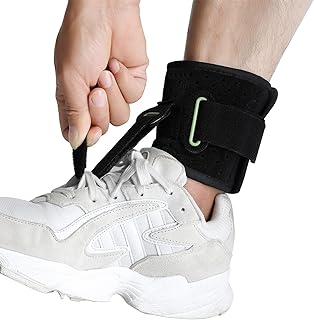
Living with foot drop can significantly impact daily life, making simple activities like walking or sleeping a challenge. An AFO brace is a common and effective solution designed to support the ankle and foot, improving gait and preventing further complications. This comprehensive guide explores how a well-designed orthosis, like the Furlove AFO Foot Drop Brace, can be a versatile tool for both daytime mobility and nighttime comfort.
Foot drop, or drop foot, is a condition characterized by difficulty lifting the front part of the foot. This can lead to a dragging gait, tripping, and fatigue. An AFO brace works by providing the necessary support to hold the foot in a neutral position, facilitating a safer and more natural walking pattern. The right brace addresses not just mobility but also comfort during rest.
Understanding the Dual Function: Walking Support and Night Splinting
An effective foot drop brace must serve two primary purposes: functional support for ambulation and gentle correction during sleep. During the day, the brace must be secure yet comfortable enough for extended wear, providing stability without restricting all movement. At night, a softer approach is needed—a night splint should maintain a gentle stretch on the Achilles tendon and calf muscles to prevent contractures without disrupting sleep.
The Furlove AFO brace is engineered with this duality in mind. Its design transitions seamlessly from a supportive walking aid to a comfortable sleeping splint. This eliminates the need for two separate devices, offering convenience and cost-effectiveness for users managing drop foot support.
Key Features of an Effective Adjustable AFO Brace
When selecting an adjustable foot support, several features are non-negotiable for safety, efficacy, and user compliance.
1. Customizable Fit and Adjustable Tension
A one-size-fits-all approach rarely works in orthotics. The best AFO braces offer multiple points of adjustment. The Furlove brace, for instance, features adjustable straps around the calf and foot, allowing users to fine-tune the fit for optimal comfort and support. The tension on the foot plate can often be modified to provide just the right amount of lift—not too little to be ineffective, and not too much to cause discomfort or strain.
2. Lightweight and Breathable Materials
Day-long wear demands a brace that doesn't feel like a burden. Modern AFOs utilize lightweight, often neoprene-based, materials that are breathable to minimize sweating and skin irritation. The soft interior lining of a quality brace protects the skin, while the exterior provides the necessary structural support. This is crucial for a left foot brace or right foot brace, as consistent wear is key to therapeutic benefit.
3. Secure Yet Comfortable Stabilization
The primary function is to stabilize the ankle in a neutral position. This requires a design that limits plantarflexion (foot pointing down) but may allow for some controlled dorsiflexion (foot lifting up). A brace that is too rigid can be uncomfortable and may weaken muscles over time, while one that is too flexible may not provide adequate walking support. The goal is a balance that promotes a safer heel-to-toe gait.
The Furlove AFO Brace: A Closer Look at Design and Benefits
The Furlove AFO Foot Drop Brace stands out for its thoughtful design aimed at user-centric solutions. It integrates the features mentioned above into a single, cohesive device.
For walking, its adjustable straps and supportive shell help lift the toes, clear the ground, and prevent the foot from slapping down. This directly addresses the tripping hazard associated with foot drop, allowing for more confident strides. The design is specific, with a dedicated model for the left foot, ensuring an anatomical fit that mirrored braces often cannot provide.
Transitioning to night use, the same brace can be adjusted to a gentler setting. As a sleeping brace or night splint, it helps maintain a proper 90-degree angle at the ankle. This gentle, prolonged stretch is therapeutic, helping to prevent the shortening of tendons and muscles that can occur when the foot is left unsupported for hours. The soft, padded construction is designed not to dig into the skin, making it tolerable for all-night wear.
Who Can Benefit from Using an AFO Brace?
AFO braces are prescribed for a variety of conditions that cause foot drop or ankle instability. Common user groups include:
- Stroke Survivors: A common cause of foot drop is weakness or paralysis on one side of the body (hemiplegia) following a stroke. An AFO provides the stability needed for rehabilitation and walking.
- Individuals with Multiple Sclerosis (MS) or Cerebral Palsy: These neurological conditions can affect muscle control, making ankle support essential for safe mobility.
- Patients with Peripheral Neuropathy: Nerve damage, often from diabetes, can lead to muscle weakness and foot drop. A brace helps manage the symptom and prevent falls.
- Those Recovering from Injury or Surgery: An AFO can be part of the recovery protocol for certain leg, ankle, or nerve injuries, providing protection and support during healing.
- People with General Ankle Weakness or Instability: Even without a specific diagnosis, individuals who experience foot drag or frequent ankle rolls may find significant benefit from the external support of an orthosis.
Practical Tips for Using Your AFO Brace Effectively
Getting the most out of your foot drop brace involves more than just putting it on. Proper use and care are essential.
Fitting and Adjustment: Always follow the provided instructions. The brace should be snug but not cut off circulation. Adjust the straps so the foot is held securely at a 90-degree angle. It's advisable to do the initial fitting while seated before attempting to walk.
Breaking In: Start by wearing the brace for short periods (1-2 hours) to allow your skin and muscles to adapt. Gradually increase the wear time over several days until you can comfortably use it for all walking activities and overnight.
Skin Care: Inspect your skin daily for any signs of redness, pressure points, or irritation. Wearing a thin, seamless sock under the brace can provide an extra layer of protection. Keep the brace and your skin clean and dry.
Footwear: You may need shoes with a slightly deeper toe box or adjustable closure (like Velcro or laces) to accommodate the brace comfortably. Avoid shoes that are too tight, as this can cause pressure sores.
Integrating the Brace into Daily Life and Therapy
An AFO is often one component of a broader management plan. It should be used in conjunction with any prescribed physical therapy exercises aimed at strengthening the ankle and lower leg muscles. Therapists can also provide gait training to help you walk most efficiently with the brace.
The convenience of a device like the Furlove brace, which functions as both a day brace and night splint, encourages consistent use. Consistency is paramount for seeing benefits in walking safety, reduced fatigue, and prevention of long-term contractures. It empowers users to maintain an active lifestyle and achieve better rest, both of which contribute significantly to overall well-being.
Conclusion: Taking a Step Toward Improved Mobility and Comfort
Choosing the right adjustable foot support is a critical decision for anyone managing foot drop. A versatile, well-designed AFO brace like the Furlove model addresses the core needs of daytime stability and nighttime therapeutic positioning. By providing walking support that enhances safety and a comfortable sleeping brace function, it offers a comprehensive solution that can improve quality of life. As with any medical device, consultation with a healthcare professional is recommended to ensure it is appropriate for your specific condition. With the right support, individuals with foot drop can walk more confidently and sleep more peacefully, reclaiming independence in their daily activities.