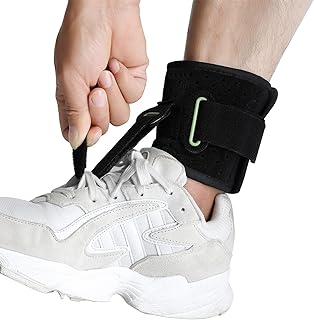
Finding the right support for foot drop can be a challenging journey. Whether you're recovering from a stroke, managing nerve damage, or dealing with ankle instability, the right AFO brace can make a world of difference in mobility, safety, and confidence. In this comprehensive review, we take a close look at the Carbon AFO Foot Drop Brace, a popular option designed to be lightweight, adjustable, and discreet enough to fit inside your shoes. We'll analyze its features, benefits, and potential drawbacks to help you determine if it's the right solution for your needs.
What is an AFO Brace and Who Needs One?
An Ankle Foot Orthosis, commonly known as an AFO brace, is a medical device worn on the lower leg and foot to support and align the ankle, correct foot drop, and improve walking gait. Foot drop, or drop foot, is the inability to lift the front part of the foot due to weakness or paralysis of the muscles involved. This condition is often a result of neurological events like a stroke, conditions like multiple sclerosis or cerebral palsy, or physical trauma causing peroneal nerve damage. A well-fitted ankle foot orthosis provides the necessary support to prevent the foot from dragging, reducing the risk of trips and falls, and promoting a more natural and efficient walking pattern.
Deep Dive: Carbon AFO Foot Drop Brace Features & Benefits
1. Ultra-Lightweight Carbon Fiber Construction
The standout feature of this brace is its use of carbon fiber. Unlike bulkier plastic AFOs, carbon fiber offers an exceptional strength-to-weight ratio. This translates to a lightweight ankle support system that provides robust stability without feeling heavy or cumbersome on the leg. For users who are active or wear the brace for extended periods, this reduced weight can significantly decrease fatigue and increase overall comfort, making daily activities and rehabilitation exercises more manageable.
2. Designed to Fit Discreetly in Shoes
One of the most common complaints about traditional drop foot braces is their bulk, which often requires wearing special orthopedic shoes. The Carbon AFO is engineered with a low-profile design specifically to fit inside most regular shoes, including sneakers and casual footwear. This is a major advantage for users who value discretion and want to maintain their normal wardrobe without sacrificing the support they need. The ability to wear your own shoes can also provide a significant psychological boost and sense of normalcy during recovery.
3. Fully Adjustable and Trimmable for a Custom Fit
A proper fit is paramount for any orthotic device to be effective and comfortable. This brace addresses that with its adjustable foot brace features. The calf strap is adjustable to accommodate different leg circumferences, while the footplate is trimmable. This means you or a healthcare professional can carefully cut the footplate to match the exact length and contour of your foot, ensuring optimal positioning and support. This level of customization helps prevent pressure points, improves control, and enhances the overall therapeutic benefit of the device.
4. Targeted Support for Specific Conditions
The Carbon AFO brace is marketed to address several key conditions. For stroke recovery, it assists in re-establishing a safer, more symmetrical gait by preventing foot slap and toe drag. For those with ankle instability from ligament injuries or conditions like Charcot-Marie-Tooth disease, it provides lateral support to prevent rolling. As a form of nerve damage support, it mechanically performs the function of the weakened dorsiflexor muscles, lifting the foot during the swing phase of walking.
Potential Considerations and Who It Might Not Be For
While the Carbon AFO offers many advantages, it's important to consider its limitations. Its lightweight carbon and adjustable strap design may not provide enough rigidity or support for individuals with severe spasticity, significant plantar flexion contractures, or those who require a very high level of medial/lateral stability. In such cases, a custom-molded, rigid plastic AFO prescribed by an orthotist might be necessary. Additionally, the trimming process, while beneficial, must be done carefully and correctly; incorrect trimming can render the brace ineffective or uncomfortable. Always consult with a physical therapist, orthotist, or doctor before making permanent modifications.
How to Get the Most Out of Your AFO Brace
Simply wearing an AFO isn't always enough. To maximize its benefits, pair its use with a consistent physical therapy regimen focused on strengthening the lower leg muscles and improving balance and proprioception. Proper donning and doffing are also crucial. Ensure your skin is clean and dry, and check regularly for any signs of redness or irritation. Start by wearing the brace for short periods to allow your body to adapt, gradually increasing the duration as tolerated. Remember, an AFO is a tool to aid mobility and safety while you work on underlying strength and neuromuscular control.
Final Verdict: Is the Carbon AFO Brace Right for You?
The Carbon AFO Foot Drop Brace presents a compelling option for individuals with mild to moderate foot drop seeking a lightweight, discreet, and adjustable solution. Its carbon fiber build and shoe-friendly design address common pain points associated with traditional braces. It appears particularly well-suited for active individuals, those in the later stages of stroke recovery, or anyone with peripheral nerve damage who desires a less intrusive form of foot drop support. However, it is not a one-size-fits-all solution. A thorough evaluation by a medical professional is essential to determine if this specific AFO brace design aligns with your specific biomechanical needs and recovery goals. For many, it could be the key to regaining confidence and independence with every step.