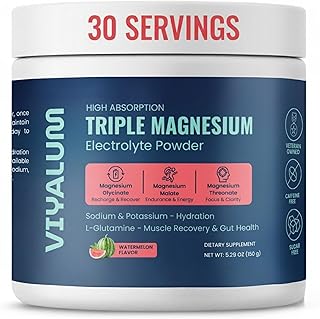
In the world of essential minerals, magnesium stands out for its critical role in over 300 biochemical reactions in the body. Among its various forms, Magnesium Malate has gained significant attention for its unique properties, particularly its synergy with malic acid. This specific chelated form is not just another magnesium supplement; it's a targeted approach to supporting cellular energy production and muscular comfort. Its growing popularity is a testament to its efficacy, especially when combined with other bioavailable forms in comprehensive formulas designed for optimal absorption and multifaceted benefits.
Understanding the distinct advantages of each magnesium compound is key to choosing the right supplement for your needs. While magnesium citrate is renowned for its bioavailability and gentle digestive support, and magnesium glycinate is prized for its calming effects and high absorption with minimal laxative effect, magnesium malate carves its own niche. This article will delve deep into the science, benefits, and practical applications of magnesium malate, and explain why it's becoming a cornerstone in advanced, multi-formula magnesium supplements aimed at holistic wellness.
What is Magnesium Malate?
Magnesium malate is a compound where magnesium is bound to malic acid. Malic acid is a natural substance found in many fruits, most notably apples, and is a key intermediate in the Krebs cycle—the body's primary energy production pathway at the cellular level. This partnership is more than incidental; it creates a supplement that supports the very process it helps fuel. The chelation process makes the mineral more stable and potentially easier for the body to absorb and utilize compared to some inorganic forms.
The "malate" component does more than just deliver magnesium. Malic acid itself plays a vital role in generating adenosine triphosphate (ATP), the fundamental energy currency of our cells. Therefore, supplementing with magnesium malate provides a dual-action support system: the essential mineral magnesium, plus a direct contributor to the cellular energy cycle. This makes it a particularly compelling choice for individuals seeking support for energy levels, physical endurance, and muscle function.
Key Benefits of Magnesium Malate
1. Cellular Energy Production and Reduction of Fatigue
The most celebrated benefit of magnesium malate is its role in combating fatigue and supporting sustained energy. Magnesium is a crucial cofactor for enzymes involved in ATP synthesis. When combined with malic acid, which is integral to the Krebs cycle, this form of magnesium directly supports the mitochondria—the powerhouses of the cell. Research suggests that malic acid supplementation can help improve exercise performance and reduce feelings of tiredness, especially in cases of general fatigue. For anyone experiencing low energy, whether from a busy lifestyle or physical exertion, a high-absorption magnesium formula containing malate can be a game-changer.
2. Muscle Function and Comfort
Magnesium is essential for proper muscle contraction and relaxation. It helps regulate calcium flow in muscle cells, preventing excessive contraction that can lead to discomfort and cramps. The malic acid in magnesium malate is also studied for its potential role in supporting muscle recovery. Some theories propose that malate can help reduce the accumulation of lactic acid, although more research is needed. For athletes, active individuals, or those who experience occasional muscle tension, magnesium malate offers targeted support for muscular comfort and function.
3. Support for Fibromyalgia and Chronic Fatigue
While more research is always welcome, several studies have explored the use of magnesium malate for conditions like fibromyalgia, which is characterized by widespread musculoskeletal pain and fatigue. The combination of magnesium and malic acid is thought to help address potential cellular energy deficits and muscular issues associated with these conditions. It's important to note that individuals should consult with a healthcare provider for personalized advice, but the existing body of anecdotal and preliminary scientific evidence makes this a form of magnesium of significant interest in nutritional support strategies.
Why Magnesium Malate is Part of a Triple Magnesium Complex
No single form of magnesium is perfect for every function in the body. This is where the wisdom of a triple magnesium complex comes into play. By combining magnesium glycinate, magnesium malate, and magnesium citrate, a supplement can offer a broader spectrum of benefits than any one form alone.
Think of it as a synergistic team: Magnesium glycinate is highly bioavailable and exceptionally gentle on the stomach, making it an excellent carrier for magnesium that supports relaxation and nervous system health—key for magnesium for sleep. Magnesium citrate offers great absorption and provides gentle digestive support. Magnesium malate, our focus here, brings its unique strength to the table: targeted support for energy metabolism and muscle function. Together, they create a comprehensive formula that addresses energy, relaxation, digestion, and muscular health from multiple angles.
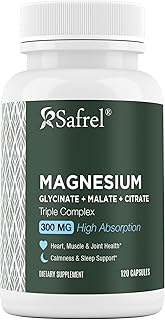
This is precisely the philosophy behind advanced supplements like the Safrel Triple Magnesium Complex. By including 300mg of this potent blend of glycinate, malate, and citrate, it leverages the strengths of each form. The chelated, high-absorption formula ensures the minerals are in a form the body can readily use, maximizing the potential benefits of each component, including the energy-supporting properties of magnesium malate.
Magnesium Malate vs. Other Common Forms
To appreciate magnesium malate fully, it helps to compare it to other popular forms:
- Magnesium Citrate: Excellent bioavailability, often used for gentle digestive support. A great all-rounder but may have a more pronounced laxative effect for some compared to glycinate or malate.
- Magnesium Glycinate: Bound to glycine, an amino acid that promotes calmness. Renowned for its high absorption and minimal digestive upset, it's the go-to for stress relief and sleep support (magnesium glycinate).
- Magnesium Oxide: Contains a high amount of elemental magnesium but has very low bioavailability. Often used for acute relief of constipation but not ideal for raising overall magnesium levels efficiently.
- Magnesium Malate: Excels in supporting energy production and muscle function due to the malic acid component. It is generally well-tolerated and less likely to cause digestive issues than citrate or oxide.
The choice isn't necessarily about which one is "best," but which one (or combination) is best for your specific goals. For a balanced approach, a complex that includes malate, glycinate, and citrate covers the widest range of needs.
Who Should Consider Taking Magnesium Malate?
Magnesium malate, particularly as part of a complex, can be beneficial for a wide range of individuals:
- Active Individuals & Athletes: For supporting muscle function, recovery, and cellular energy production during physical activity.
- Those Experiencing Low Energy or Fatigue: The malic acid component directly supports the Krebs cycle, which may help combat feelings of tiredness.
- People with Occasional Muscle Tension or Discomfort: Magnesium's role in muscle relaxation can be helpful.
- Anyone Seeking a Well-Rounded Magnesium Supplement: When combined with glycinate and citrate, it provides comprehensive support.
- Individuals Following Specific Diets: High-quality complexes are often vegan magnesium supplement options, non-GMO, and gluten-free, making them suitable for various dietary preferences.
Dosage, Safety, and What to Look For
The typical dosage for magnesium supplements varies, but a common range for adults is between 200mg and 400mg of elemental magnesium per day. It's crucial to look at the "elemental magnesium" content on a supplement label, not just the total compound weight. For example, a 300mg capsule of a triple complex contains 300mg of elemental magnesium from the blend.
Magnesium malate is generally considered safe and well-tolerated. As with any supplement, starting with a lower dose to assess tolerance is wise. High doses of any magnesium can have a laxative effect, though forms like glycinate and malate are less prone to this. Individuals with kidney disease should consult a doctor before taking magnesium supplements.
When choosing a supplement, prioritize quality:
- Chelated Forms: Look for glycinate, malate, citrate—these are better absorbed than oxides.
- Third-Party Testing: Ensures purity and accurate labeling.
- Clean Formulations: Free from unnecessary fillers, allergens, and artificial ingredients. The trend towards vegan, non-GMO, and gluten-free options reflects this demand for purity.
- Combination Formulas: A triple magnesium complex that includes malate offers synergistic benefits.
Conclusion: The Synergistic Power of Magnesium Malate in a Complex
Magnesium malate is far more than a simple mineral supplement. Its unique bond with malic acid positions it as a specialized tool for supporting the body's energy production pathways and muscular function. While effective on its own, its true potential is unlocked when combined with other bioavailable forms like magnesium glycinate and magnesium citrate.
This holistic, multi-targeted approach is the future of nutritional supplementation. Instead of relying on a single compound, leveraging the distinct strengths of several—such as in a comprehensive triple complex—provides broader, more balanced support for energy, stress, sleep, and physical well-being. For those seeking a high-quality, absorbable, and effective magnesium solution, understanding the role of magnesium malate within these advanced formulas is the first step toward making an informed choice for your health.