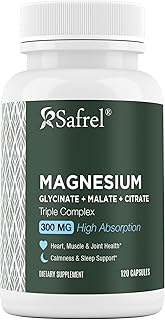
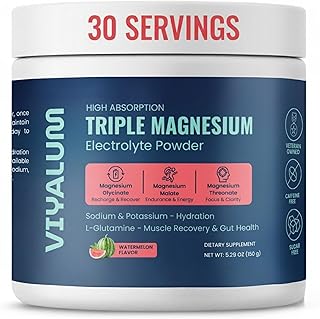
Feeling constantly fatigued or experiencing unexplained muscle tension? You're not alone. In the quest for better energy and physical comfort, many people are turning to targeted mineral supplements. Among them, Magnesium Malate has gained significant attention for its unique properties. This specific form of magnesium, bound to malic acid, is touted for its role in supporting cellular energy production and muscle function. But what does the science really say, and how can you incorporate it effectively into your wellness routine? This comprehensive guide will explore the benefits, uses, and practical considerations for this popular magnesium supplement.
What is Magnesium Malate?
Magnesium Malate is a chelated compound, meaning magnesium is bound to malic acid. This bond is crucial because it influences how the mineral is absorbed and utilized in the body. Malic acid is a natural substance found in fruits like apples and is a key player in the Krebs cycle—the series of chemical reactions in our cells that generate energy (ATP). This partnership creates a supplement that is not only a source of bioavailable magnesium but also provides the raw material for energy metabolism. Unlike other forms like magnesium oxide, malate is generally well-tolerated and less likely to cause digestive upset, making it a preferred choice for daily dietary supplement use.
Key Benefits of Magnesium Malate Supplementation
Supports Cellular Energy Production
The primary claim to fame for Magnesium Malate is its role in energy. Magnesium is an essential cofactor for over 300 enzymatic reactions, many of which are involved in converting food into usable energy. Malic acid is a direct component of the Krebs cycle. Together, they support the biochemical machinery that powers every cell in your body. Individuals with low energy or those feeling perpetually drained may find this form particularly supportive, as it addresses energy production at a foundational, cellular level.
Promotes Muscle Comfort and Function
For anyone seeking muscle support, magnesium malate is a standout. Magnesium helps regulate muscle contraction and relaxation by balancing calcium levels in muscle cells. A deficiency can lead to muscles staying in a contracted state, contributing to tension and discomfort. The malate component may further aid in muscle recovery by supporting the removal of metabolic byproducts like lactic acid. This makes it a popular choice among active individuals, those with physically demanding jobs, or anyone experiencing routine muscle tightness.
Additional Health and Wellness Support
Beyond energy and muscles, adequate magnesium levels are vital for numerous bodily functions. It supports nervous system calm, promotes healthy bone density by aiding calcium integration, and contributes to cardiovascular health. The specific combination in magnesium malate offers a gentle yet effective way to maintain optimal magnesium status, which is often suboptimal in modern diets high in processed foods.
Who Should Consider Taking Magnesium Malate?
This supplement can be beneficial for a wide range of individuals. It's particularly suited for:
- Active Adults & Athletes: For supporting muscle recovery, function, and energy metabolism during exercise.
- Individuals with Low Energy: Those seeking natural support for cellular energy production beyond stimulants like caffeine.
- People Experiencing Occasional Muscle Tension: Looking for nutritional support for muscle relaxation and comfort.
- Anyone with a Diet Low in Magnesium-Rich Foods: Such as leafy greens, nuts, seeds, and whole grains.
As always, it's advisable to consult with a healthcare provider before starting any new supplement, especially if you have underlying health conditions or are taking medications.
Dosage, Timing, and What to Look For in a Supplement
Recommended Dosage and How to Take It
Dosage depends on individual needs and the specific product. A common dosage range for elemental magnesium from malate is 200-400 mg per day, often split into two doses to enhance absorption and tolerance. It's best taken with food to minimize any potential for stomach discomfort and to aid in absorption. Starting with a lower dose and gradually increasing allows your body to adjust. For example, a product like Source Naturals Magnesium Malate provides 3750 mg of the magnesium malate compound per serving, yielding a specific amount of elemental magnesium, which should be clearly stated on the label.
Choosing a High-Quality Magnesium Malate Product
Not all supplements are created equal. When shopping for a magnesium capsules or tablet, prioritize these factors:
- Transparent Labeling: The label should clearly state the amount of the compound (magnesium malate) and the amount of elemental magnesium it provides.
- Reputable Brand: Choose brands known for quality control and third-party testing, like Source Naturals, to ensure purity and potency.
- Minimal Additives: Look for products free from unnecessary fillers, artificial colors, or major allergens if you have sensitivities.
- Bioavailability: Magnesium malate is already a well-absorbed form, but ensuring the product is manufactured to high standards guarantees you get the benefits.
Potential Side Effects and Interactions
Magnesium malate is generally well-tolerated. The most common side effect, if any, is loose stools, which typically occurs only at very high doses. This is less frequent with malate compared to forms like magnesium citrate or oxide. To avoid this, stay within the recommended dosage. Magnesium can interact with certain medications, including some antibiotics, diuretics, and bone medications. It's crucial to space out the intake of magnesium supplements and other medications by 2-4 hours. Consulting a healthcare professional is the best way to navigate potential interactions based on your personal health profile.
Magnesium Malate vs. Other Popular Magnesium Forms
Understanding how malate compares can help you make an informed choice:
- Magnesium Citrate: Highly bioavailable, often used for promoting regularity. Malate is better targeted for energy and muscle support.
- Magnesium Glycinate: Bound to glycine, it's excellent for relaxation, sleep, and is very gentle on the stomach. Malate is more focused on energy production.
- Magnesium Oxide: Contains a high amount of elemental magnesium but has poor absorption. It's often used for occasional constipation but is not ideal for correcting a nutritional deficiency.
- Magnesium Malate: The unique combination with malic acid makes it the preferred form for supporting the Krebs cycle and cellular energy, alongside muscle function.
Integrating Magnesium Malate into Your Health Regimen
Think of Magnesium Malate as a foundational supplement for energy metabolism. For best results, pair it with a balanced diet rich in other nutrients. Consistency is key—taking it daily allows your body's magnesium stores to replenish and maintain optimal levels. Monitor how you feel over several weeks, noting changes in energy, muscle comfort, or overall well-being. Remember, supplements are meant to complement, not replace, a healthy lifestyle. Adequate hydration, stress management, and quality sleep will amplify the benefits you receive from your magnesium supplement.
Conclusion: Is Magnesium Malate Right for You?
Magnesium Malate offers a synergistic approach to supporting two critical areas: cellular energy and muscle function. Its unique formulation provides both a highly bioavailable source of magnesium and malic acid, a direct contributor to the energy cycle. If your goals align with enhancing natural energy production, supporting active muscles, or addressing a potential dietary gap in magnesium, it is certainly worth considering. By choosing a high-quality product from a trusted brand and following sensible dosing guidelines, you can safely explore the potential benefits this specific form of magnesium has to offer for your health and vitality.