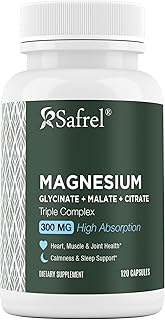
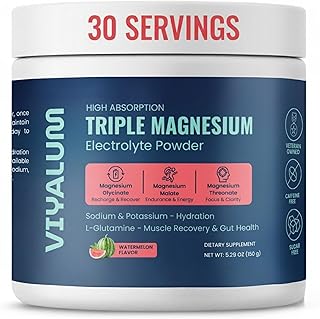
In the vast world of dietary supplements, few minerals are as crucial and versatile as magnesium. Among its various forms, Magnesium Malate has gained significant attention for its unique combination of magnesium and malic acid. This specific chelated form is often touted for its superior bioavailability and targeted benefits, particularly for energy metabolism and muscular comfort. If you're feeling perpetually fatigued, experiencing occasional muscle tightness, or simply looking to support your body's foundational biochemical processes, understanding this powerful compound could be a game-changer for your wellness routine.
This comprehensive guide will delve deep into the science, benefits, and practical applications of Magnesium Malate. We'll explore why this particular form stands out, how it compares to other magnesium supplements like citrate or glycinate, and what you need to know about incorporating it into your health regimen safely and effectively.
What is Magnesium Malate? Understanding the Compound
Magnesium Malate is a compound where magnesium, an essential macromineral, is bound to malic acid, a natural substance found in many fruits, particularly apples. This chelation process—where the mineral is attached to an organic acid—is believed to enhance the body's ability to absorb and utilize the magnesium. Malic acid itself plays a key role in the Krebs cycle (also known as the citric acid cycle), which is the primary energy-producing pathway in our cells. Therefore, this supplement delivers a dual-action formula: the myriad benefits of magnesium plus the metabolic support of malic acid.
Magnesium is involved in over 300 enzymatic reactions in the body, impacting everything from nerve transmission and muscle contraction to protein synthesis and blood glucose control. Despite its importance, modern diets are often deficient in this critical mineral due to soil depletion and processed food consumption. This makes magnesium supplementation a vital consideration for many. The malate form is particularly interesting because it is generally well-tolerated in the digestive system and is efficiently delivered to where it's needed most: the muscles and the energy-producing mitochondria within cells.
The Science-Backed Benefits of Magnesium Malate
1. Enhanced Energy Production and Reduction of Fatigue
One of the most celebrated benefits of Magnesium Malate is its role in combating fatigue and boosting energy levels. This is directly tied to the roles of both its components. Magnesium is a critical cofactor for adenosine triphosphate (ATP) production—the primary energy currency of the cell. Without sufficient magnesium, the enzymes responsible for generating ATP cannot function optimally.
Malic acid, on the other hand, is a central intermediate in the Krebs cycle. Supplementing with malic acid can help ensure this cycle runs smoothly, promoting efficient conversion of carbohydrates, fats, and proteins into usable energy. For individuals with low energy or those experiencing conditions associated with fatigue, this combination can be particularly supportive. It's a key reason why this form is often recommended in protocols for supporting energy metabolism.
2. Muscle Function, Comfort, and Recovery Support
For athletes, active individuals, or anyone experiencing muscle discomfort, muscle support is a major reason to consider Magnesium Malate. Magnesium plays a fundamental role in muscle contraction and relaxation. It helps regulate calcium flow into muscle cells; calcium stimulates contraction, while magnesium promotes relaxation. An imbalance can lead to muscles remaining in a tense, contracted state.
Furthermore, malic acid may help reduce the accumulation of lactic acid in muscles during intense exercise, which is often associated with muscle soreness. By supporting the energy pathways, malic acid can help muscles work more efficiently and recover more quickly. This makes a high potency magnesium malate supplement a popular choice for post-workout recovery and maintaining muscular comfort in daily life.
3. Nervous System Calm and Stress Response
Magnesium is famously known as nature's calming mineral. It supports the function of the GABA receptors in the brain, a neurotransmitter that promotes relaxation and calm. A deficiency in magnesium can leave the nervous system in a state of hyperexcitability, contributing to feelings of stress, tension, and restlessness. By ensuring adequate magnesium levels through a form like malate, you can help maintain a healthy stress response and support a balanced mood.
4. Supporting Overall Cellular Health
Beyond energy and muscles, the magnesium in Magnesium Malate contributes to DNA and RNA synthesis, glutathione production (the body's master antioxidant), and the structural development of bone. It's a true foundational essential mineral. Ensuring you have enough is a proactive step for long-term cellular health and resilience.
Magnesium Malate vs. Other Forms of Magnesium
Not all magnesium supplements are created equal. The "bound" molecule, or ligand, significantly affects how the magnesium is absorbed, where it goes in the body, and its overall effects.
- Magnesium Citrate: Highly bioavailable and often used for promoting bowel regularity. It has a stronger osmotic effect in the intestines, which can lead to looser stools for some.
- Magnesium Glycinate: Bound to glycine, an amino acid with calming properties. This form is exceptionally gentle on the stomach and is prized for its benefits on sleep, anxiety, and neurological calm.
- Magnesium Oxide: Contains a high amount of elemental magnesium but has very low bioavailability. It's commonly found in low-cost supplements but is mostly used as an occasional laxative.
- Magnesium Malate: As discussed, is renowned for its bioavailability and specific affinity for supporting energy production pathways and muscular tissues. It is generally gentle on the stomach, making it suitable for daily use.
Choosing the right form depends on your primary health goals. For targeted energy production and muscle function, malate is frequently the top choice among informed consumers and practitioners.
Dosage, Safety, and Potential Side Effects
The optimal dosage of Magnesium Malate can vary based on individual needs, diet, and health status. A common supplemental dose ranges from 300 mg to 600 mg of elemental magnesium per day, often split into two or three doses to enhance absorption and minimize any potential digestive upset. It's crucial to look at the label to determine the amount of *elemental* magnesium provided, not just the total compound weight. For example, a supplement like Source Naturals Magnesium Malate provides a substantial 3750mg of the magnesium malate compound per serving, delivering a significant amount of bioavailable magnesium.
Safety Profile: Magnesium Malate is generally considered safe for most adults when taken at recommended doses. The most common side effect, as with many magnesium supplements, is loose stools or diarrhea, which typically occurs only if the dose is too high for an individual's tolerance. Starting with a lower dose and gradually increasing allows your body to adjust.
Who Should Be Cautious? Individuals with kidney disease should consult a healthcare provider before taking magnesium supplements, as impaired kidneys may not excrete excess magnesium efficiently. It can also interact with certain medications, such as some antibiotics and diuretics, so professional guidance is key.
Introducing a High-Potency Option: Source Naturals Magnesium Malate
When seeking a reliable and potent source of this beneficial compound, one product that consistently meets high standards is the Source Naturals Magnesium Malate supplement. This formulation provides 3750mg of magnesium malate per serving (typically two tablets), offering a substantial dose designed for those seeking significant support for energy and muscle function. Sourced from a reputable brand known for quality, it represents a straightforward, no-nonsense approach to dietary supplementation with this essential mineral complex.
Its high potency makes it suitable for individuals who have identified a need for magnesium support through diet or symptom assessment. As always, integrating any new supplement should be done thoughtfully, considering your overall nutrient intake and health objectives.
How to Incorporate Magnesium Malate into Your Routine
For best results, consistency is key. Taking your Magnesium Malate supplement with meals can enhance absorption and reduce the chance of stomach upset. Many people find taking it in the morning or early afternoon beneficial due to its energy-supporting properties, though it is gentle enough for some to take in the evening without disrupting sleep.
Pairing magnesium supplementation with a diet rich in other co-factors like B vitamins (which also play roles in energy cycles) can create a synergistic effect. Foods like leafy greens, nuts, seeds, and legumes are excellent dietary sources of magnesium and other vital nutrients.
Conclusion: Is Magnesium Malate Right for You?
Magnesium Malate stands out as a specialized form of magnesium with compelling benefits for anyone struggling with low energy, muscle tension, or seeking to optimize their cellular metabolism. Its unique combination with malic acid targets the very engines of our cells, offering support that goes beyond general mineral supplementation.
If your goals align with enhanced vitality, muscular comfort, and foundational biochemical support, this form of magnesium deserves serious consideration. As with any supplement strategy, listening to your body and consulting with a healthcare professional can help you tailor the approach, including dosage and timing, to your unique needs. By addressing a potential magnesium gap with a well-absorbed, targeted form like malate, you're investing in one of the most fundamental aspects of your health and daily well-being.