For decades, the allure of a seemingly gravity-defying orb has captivated audiences and practitioners alike. The Fushigi Ball, a name that has become synonymous with the art of contact juggling, represents a gateway into a mesmerizing world of flow and movement. But what exactly is it, and how do you choose the right one to start your journey? This guide delves into the world of acrylic contact juggling balls, helping you understand the differences, benefits, and ideal starting points, with a special focus on options designed for those with smaller hands.
At its core, contact juggling is the art of manipulating one or more objects, typically spheres, in constant contact with the body. Unlike toss juggling, the ball rolls over the hands, arms, and shoulders, creating fluid, magical illusions. The classic prop for this is a transparent acrylic ball. Its clarity allows light to pass through, creating stunning visual effects and enhancing the illusion that the ball is floating independently. While Fushigi is a popular brand name that helped commercialize this art form, the term is often used generically to refer to any high-quality acrylic ball used for this purpose.
Why Choose an Acrylic Contact Juggling Ball?
Beginners often wonder about the best material to start with. While silicone or PVC balls exist, acrylic remains the gold standard for several reasons. Its crystal-clear transparency is unmatched for creating the signature "floating" visual. The material is also perfectly smooth and durable, allowing for seamless rolls and long-lasting practice. The weight and balance of a proper acrylic ball provide the necessary momentum and control for learning fundamental moves. For anyone serious about learning the art form, starting with a genuine acrylic contact juggling ball is a crucial first step.
Key Considerations for Beginners: Size and Feel
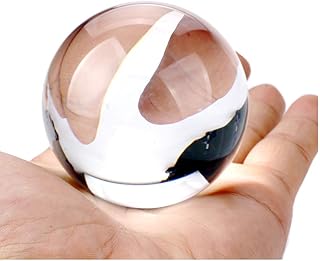
One of the most overlooked factors for new practitioners is ball size. Standard contact balls are often 100mm (about 4 inches) in diameter. However, this size can be challenging for individuals with smaller hands, including many younger learners, performers with petite frames, or those simply seeking more precise control. A ball that's too large can be difficult to grip, control, and manipulate smoothly, leading to frustration.
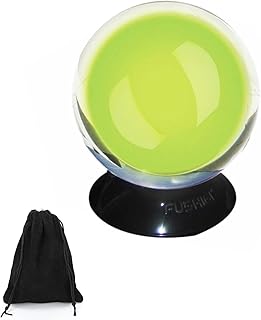
This is where specialized options like the Kathfly Acrylic Contact Juggling Ball Small become invaluable. At 7 cm (2.76 inches), it offers a more manageable profile. A smaller ball allows for better finger isolation, easier palm rolls, and generally more confidence when practicing foundational techniques like the butterfly, palm spinning, and body rolls. It's an excellent choice for a dedicated beginners juggling tool, reducing the initial physical barrier to entry.
Beyond Juggling: The Versatility of Acrylic Balls
The appeal of these luminous spheres extends far beyond the juggling community. Their ethereal, otherworldly quality makes them perfect for cosplay prop creation. Characters from fantasy, sci-fi, or anime that wield magical orbs, energy sources, or futuristic gadgets can be beautifully realized with a high-quality acrylic ball. In the wider world of flow arts props, these balls are used in conjunction with poi, staff, and hoop to create multidimensional, visually stunning performances. A transparent juggling ball catches and refracts light from stage lighting or the sun, becoming a dynamic element of any visual show.
Starting Your Practice: Tips and Fundamentals
Once you've selected your ball, such as a practice juggling ball designed for small hands juggling, the real journey begins. Start in a clear space, free of breakables. Begin by simply holding the ball, getting used to its weight and feel. Practice rolling it slowly from fingertip to fingertip on one hand. Master the "palm roll," where the ball rotates smoothly in the cradle of your palm. Use online tutorials, but remember: progress is slow and steady. The goal is fluid, controlled movement, not speed. Consistent, short practice sessions are far more effective than occasional long ones.
Maintaining Your Magic Orb
To keep your acrylic ball performing its best, proper care is simple but important. Always practice on clean hands to avoid transferring oils and dirt to the surface, which can disrupt its smooth roll. Clean it periodically with a soft, lint-free cloth and a mild glass cleaner or soapy water. Avoid abrasive materials that could scratch the acrylic. Store it in a protective bag (like the one included with the Kathfly model) when not in use to prevent dust accumulation and accidental scratches. A well-maintained ball will provide years of mesmerizing practice.
Conclusion: Your Gateway to Flow
Whether you call it a fushigi ball, a contact juggling orb, or a flow art prop, starting with the right tool is essential. For beginners, and especially those with smaller hands, choosing a correctly sized, high-quality acrylic ball can make the difference between frustration and fascination. By focusing on fundamentals, understanding the ball's versatility, and caring for your prop, you unlock the door to a rewarding, meditative, and visually stunning art form. The magic isn't in the ball itself, but in the movement you create with it.