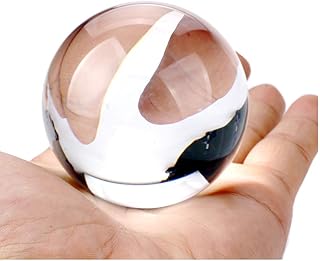
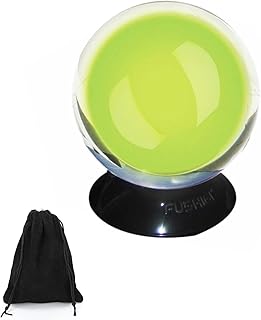
Welcome to the mesmerizing world of contact juggling, where a simple sphere becomes an extension of your body, creating illusions of weightlessness and magic. For many, the journey begins with the iconic Fushigi Ball, a name synonymous with the art form itself. However, the landscape of practice props is rich and varied, offering specialized tools like the DSJUGGLING 60mm Clear Acrylic Contact Juggling Ball designed for specific needs. This guide will demystify the differences, helping you choose the right tool to start your flow arts journey.
What is Contact Juggling? The Art of Illusion
Contact juggling, distinct from toss juggling, is the art of manipulating one or more objects—typically spheres—in continuous contact with the body. The goal is to create fluid, hypnotic movements that make the ball appear to float, roll, and defy gravity. It's a cornerstone of the modern flow arts community, blending dance, meditation, and technical skill. The magic lies in the seamless connection between performer and prop, a connection heavily influenced by the ball's material, size, and weight.
The Fushigi Ball: Iconic Name, Accessible Magic
The term "Fushigi Ball" has become a genericized trademark for many beginners entering the scene. Originally a specific product, it now often refers to any reflective or semi-reflective ball used for contact juggling. These balls are prized for their visual appeal, as their mirrored or partially mirrored surface catches light beautifully, enhancing the illusion of a floating, magical orb. They are an excellent gateway, sparking interest and providing a classic, recognizable practice experience.
Specialized Acrylic Practice Balls: Precision Tools for Progression
As practitioners advance, they often seek out specialized tools. Acrylic contact juggling balls, like the DSJUGGLING 60mm model, offer distinct advantages. Made from high-quality, polished acrylic, they provide a perfectly smooth, consistent surface. This consistency is crucial for learning precise rolls and isolations. The crystal-clear transparency of an acrylic juggling ball allows performers to focus on form and technique without visual distraction from the ball's surface pattern.
Why Size Matters: The 60mm Advantage for Smaller Hands
One of the most critical yet overlooked factors for beginners is ball size. A standard 100mm (4-inch) ball can be cumbersome and difficult to control for those with smaller hands or less grip strength. This is where a dedicated small hands juggling prop shines. A 60mm (2.36-inch) ball, like the DSJUGGLING model, offers superior control, reduces wrist strain, and makes foundational moves like palm rolls and finger spins significantly easier to master. It's a thoughtful design choice that removes a major physical barrier to entry.
Head-to-Head Comparison: Fushigi vs. Acrylic Practice Balls
Let's break down the key differences to inform your choice. A classic Fushigi-style ball typically has a metallic or patterned shell, creating dazzling light effects ideal for performance. An acrylic practice ball prioritizes tactile feedback and technical training. Its clear juggling ball design lets you see your hand positioning through the ball, which is invaluable for correcting form. The weight distribution in a solid acrylic ball is also more consistent and predictable than in some hollow Fushigi-style models, leading to smoother, more controlled movement.
Essential Beginner Techniques to Master
Regardless of your chosen prop, mastering these foundational techniques is key. Start with the Palm Roll: simply roll the ball in a circular path on your open palm. Progress to the Arm Roll, guiding the ball from your wrist to your elbow and back. The Butterfly involves cradling the ball between both hands and rotating it. A smaller, practice juggling ball like a 60mm acrylic sphere makes these isolating movements less intimidating and more manageable, building muscle memory and confidence faster.
Choosing Your First Ball: A Practical Guide for Newcomers
For absolute beginners juggling, we recommend prioritizing control and learning over flashy aesthetics. A clear acrylic ball in a manageable size (like 60mm or 70mm) is often the superior choice. It provides honest feedback on your technique, is durable, and its neutral appearance helps you focus on movement. The DSJUGGLING acrylic ball is specifically engineered for this purpose. Once you've built a solid foundation with a practice ball, you can then explore the performance-oriented world of Fushigi-style balls for their visual spectacle.
Beyond the Ball: Integrating into Flow Arts
Contact juggling is just one branch of the expansive flow arts tree. The discipline, focus, and body awareness you develop are directly transferable to other props like poi, staff, and hoop. The controlled, meditative practice required to master a contact juggling ball cultivates a "flow state" that enhances all movement arts. Starting with a precise, well-sized tool sets a positive trajectory for your entire flow journey.
Conclusion: Your Path to Mastery Starts with the Right Tool
The allure of the Fushigi Ball is undeniable, representing the magic and wonder of contact juggling. However, for dedicated practice and skill development, a purpose-built acrylic practice ball is an investment in your progress. For practitioners with smaller hands or those seeking a frustration-free start, a 60mm clear acrylic ball offers unparalleled control and a clear path to learning. Explore the DSJUGGLING 60mm Clear Acrylic Contact Juggling Ball as your dedicated training partner, and build the foundational skills that will make any prop—Fushigi or otherwise—come alive in your hands.