In the mesmerizing world of flow arts and object manipulation, few props capture the imagination like the floating, gravity-defying sphere. The term Fushigi Ball has become almost synonymous with this art form, popularized by viral videos and infomercials. However, for serious practitioners and performers, the choice often comes down to a high-quality, clear acrylic contact juggling ball. This guide will explore the key differences, benefits, and ideal uses for both, helping you decide which magical orb is right for your journey into flow.
What is a Fushigi Ball? Understanding the Phenomenon
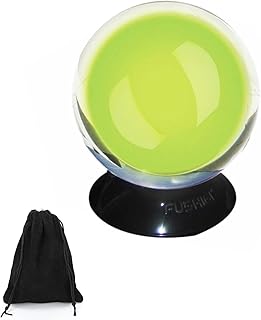
The Fushigi is a specific brand of reflective ball designed to create the illusion of floating or anti-gravity movement. Its surface is typically coated to be highly reflective, which helps hide the performer's hand movements and enhances the magical effect. It gained massive popularity as a magic ball toy, introducing countless people to the basic concepts of contact juggling. While excellent for creating visual illusions with minimal technique, it is often considered a gateway prop to more advanced flow arts.
The Professional's Choice: Clear Acrylic Contact Juggling Balls
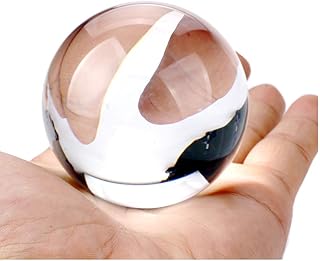
For dedicated flow artists, circus performers, and those seeking a tool for mindfulness, a precision-made acrylic ball is the standard. Unlike the coated Fushigi, a clear acrylic ball offers pure transparency and substantial weight. A prime example is the Dawson Juggling Clear Acrylic Contact Juggling Ball. At approximately 2.75 inches (70mm) in diameter, it provides the ideal size and heft for controlled, smooth movements. The clarity of the acrylic allows for beautiful light play and creates a pure, crystal-like aesthetic that is highly valued in performance.
Key Differences: Illusion vs. Technique
Choosing between these props depends on your goals. The Fushigi Ball prioritizes illusion. Its reflective surface does much of the visual work, making basic rolls and passes look incredibly impressive with practice. It's a fantastic, low-barrier entry point. In contrast, a clear acrylic juggling ball like the Dawson model prioritizes technique. Every movement is visible, requiring greater skill, control, and body awareness from the performer. The weight provides physical feedback, making it superior for learning precise isolations, palm spins, and body rolls that form the foundation of true contact juggling.
Choosing the Right Prop for Your Goals
Are you a beginner looking for a fun, visually stunning toy? Or an aspiring performer building a skill set? Your intention should guide your choice.
- For Beginners & Casual Play: A Fushigi-style ball can be immensely satisfying. The quick visual payoff is motivating. It's also a great mindfulness toy, helping to focus attention and calm the mind through simple, repetitive motions.
- For Skill Development & Performance: Invest in a quality acrylic ball. The Dawson Juggling ball is a professional-grade performance prop. Its consistent weight and flawless surface allow for advanced techniques and are essential for stage or street performance where lighting and clarity matter.
- For Flow Arts Integration: If you practice other flow arts prop disciplines like poi or staff, the tactile feedback and technical requirement of an acrylic ball will complement your existing skill development philosophy.
The Mindfulness and Meditative Aspect
Beyond performance, both types of balls serve as powerful tools for meditation and mindfulness. The focused attention required to keep the ball moving smoothly on your hands creates a state of flow, quieting mental chatter. The clear acrylic ball, with its need for greater concentration, can be particularly effective. The physical sensation of its cool, smooth surface and predictable weight grounds you in the present moment, making it a unique mindfulness toy for adults and teens alike.
Performance and Illusion: Stage vs. Screen
Your performance medium also influences the choice. For live stage shows, especially under dramatic lighting, a clear acrylic ball becomes a dazzling focal point, refracting light beautifully. For video and social media content, the reflective properties of a Fushigi Ball can create striking, shareable illusions that play well on camera. Many professional performers own both, using each for its specific strengths depending on the gig or project.
Caring for Your Prop
Maintenance differs between the two. A reflective Fushigi ball's coating can be susceptible to scratches, which diminish its illusion. Handle it with care and store it in a soft pouch. A high-quality acrylic juggling ball like the Dawson is more durable but can still scratch. Clean it with a microfiber cloth and mild soap to maintain its crystal-clear appearance. Avoid dropping either on hard surfaces.
Final Verdict: Which One Should You Get?
There is no single "best" ball—only the best ball for you right now. If you are curious, on a budget, and want immediate magical results, start with a Fushigi Ball. It opens the door to a wonderful world of movement. If you are serious about developing the authentic art of contact juggling, want a prop that will grow with your skills, and appreciate craftsmanship, begin your journey with a professional clear acrylic ball. The Dawson Juggling 70mm ball offers the perfect balance of size, weight, and clarity to serve as your primary circus prop for years to come.
Ultimately, whether you choose the iconic illusion of the Fushigi or the technical purity of a crystal-clear acrylic sphere, you are embarking on a rewarding practice that blends art, movement, and mindfulness. The most important step is to begin rolling.