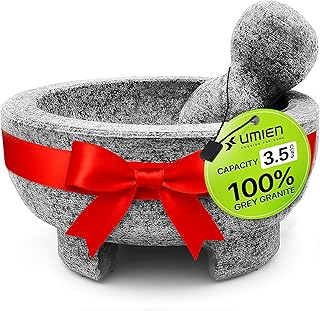
In the world of culinary tools, few items carry the weight of history, culture, and flavor quite like the molcajete. This iconic Mexican mortar and pestle, carved from a single block of volcanic rock, is more than just a kitchen utensil; it's a vessel for tradition, a tool for unlocking deep, complex flavors, and a centerpiece for authentic cooking. If you've ever wondered why restaurant salsa or guacamole tastes so remarkably different from what you make at home, the secret often lies in this ancient tool. This ultimate guide will delve into everything you need to know about the molcajete—from its rich history and cultural significance to the practical steps of seasoning, using, and caring for your own.
The word "molcajete" comes from the Nahuatl words "molli" (sauce) and "caxitl" (bowl), literally meaning "sauce bowl." Its companion, the pestle, is called a "tejolote." For over 2,000 years, this tool has been a cornerstone of Mesoamerican cuisine, used by the Aztecs, Mayans, and other indigenous cultures to grind corn for tortillas, crush spices, and, most famously, create salsas and guacamole. Unlike modern blenders or food processors that chop ingredients with sharp, fast blades, a molcajete crushes and grinds them slowly. This method releases essential oils from herbs and chilies, creates a perfectly textured paste, and, many argue, results in a superior, more integrated flavor profile that machines simply cannot replicate.
The Anatomy of an Authentic Molcajete
Not all molcajetes are created equal. A true, authentic molcajete is hand-carved from porous, rough-textured volcanic rock, typically basalt. This material is key to its function. The rough interior surface provides the necessary friction for grinding, while the porous nature of the stone helps to absorb and retain the flavors of the foods prepared in it over time, subtly seasoning future dishes. You can identify a genuine molcajete by its weight (it's very heavy), its slightly irregular shape (a sign of handcrafting), and the gritty texture inside the bowl. Imitations made from concrete, ceramic, or polished stone may look similar but lack the functional characteristics and cultural authenticity.
The Crucial First Step: How to Season (Cure) Your Molcajete
Before you can use your new molcajete, it must be seasoned, or "cured." This is a non-negotiable process that removes loose stone grit and prepares the surface for cooking. Skipping this step will result in gritty, inedible food. Here’s the traditional method:
- Grind Dry Rice: Place a handful of uncooked white rice in the bowl. Using the tejolote (pestle), grind the rice in a circular motion with firm pressure until it turns into a gray, dusty paste. This abrasive action pulls the loose stone particles from the interior.
- Rinse and Repeat: Discard the gray rice paste and rinse the molcajete with water. Repeat the process with fresh rice 2-3 more times until the ground rice remains mostly white.
- Grind Aromatics: Next, grind garlic cloves, followed by coarse salt. These ingredients help to further clean the stone and begin the flavor-absorption process.
- The Final Rinse: Give it a final thorough rinse with water. Your molcajete is now ready for its inaugural recipe!
Why Use a Molcajete? Flavor and Texture Unleashed
You might ask, "Why go through all this trouble when I have a blender?" The answer lies in the sensory experience of the food. A blender pulverizes ingredients with violent, oxidizing action, which can sometimes lead to a bitter or overly homogenized result. A molcajete, on the other hand, employs a gentle crushing and grinding motion. This preserves the cellular structure of ingredients like tomatoes and tomatillos, allowing their juices to mingle slowly. It expertly bruises herbs like cilantro without turning them to mush, and it creates a perfect, rustic texture in guacamole where chunks of avocado remain distinct. The resulting salsa or dip has a depth and harmony of flavor that is noticeably different and often preferred by chefs and food enthusiasts.
Classic Recipes to Make in Your Molcajete
Now for the fun part—cooking! Your seasoned molcajete is ready to become the star of your kitchen. Start with these foundational recipes:
Salsa Roja (Red Salsa)
Begin by toasting dried chilies de árbol or guajillo peppers on a comal or dry skillet. Toss in some garlic cloves and a slice of onion to char slightly. Place these in the molcajete with a pinch of salt and grind into a smooth paste. Then, add ripe, chopped tomatoes and continue grinding until you achieve your desired consistency—some prefer it chunky, others smooth. The slow grinding releases the smoky, sweet, and spicy notes in a way a blender cannot.
The Ultimate Guacamole
This is where the molcajete truly shines. First, grind a slice of onion, a serrano or jalapeño pepper (seeds and all, if you like heat), and a generous pinch of coarse salt into a fragrant paste. This foundational paste is the secret to a deeply flavored guac. Next, add ripe avocado halves and use a folding and gentle crushing motion with the tejolote. You want to combine the ingredients while leaving lovely chunks of avocado. Fold in chopped cilantro and a squeeze of lime juice at the end. Taste and marvel at the difference.
Salsa Verde (Green Salsa)
Boil or roast tomatillos until soft. In your molcajete, grind garlic, salt, and fresh cilantro stems into a paste. Add the softened tomatillos and a fresh serrano pepper, grinding to your preferred texture. The stone keeps this bright green salsa cool and fresh-tasting.
Care and Maintenance: Keeping Your Molcajete for Generations
With proper care, a molcajete can last a lifetime and become a cherished heirloom. After use, clean it only with warm water and a stiff-bristled brush or a piece of the rough volcanic rock itself. Never use soap. Soap will seep into the porous stone and ruin its natural seasoning, imparting a soapy taste to future foods. After scrubbing, rinse well and let it air-dry completely before storing. Over time, you'll notice a dark patina developing inside the bowl—this is a good sign! It means the stone is absorbing the flavors of your cooking, making each subsequent dish taste better.
Beyond Salsa: Other Uses for Your Molcajete
While famous for salsas, this versatile tool has many uses. Grind whole spices like cumin, coriander, and peppercorns for unmatched freshness. Crush nuts for sauces or toppings. Make authentic Mexican moles and pipians by grinding seeds and nuts into a paste. You can even use it to mash beans or prepare chunky dips like pico de gallo. It’s a slow-food tool that encourages mindfulness and connection to your ingredients.
Choosing the Right Molcajete for Your Kitchen
When shopping for a molcajete, prioritize authenticity. Look for the tell-tale signs of volcanic rock. Consider the size; an 8- to 10-inch diameter is a versatile choice for most home kitchens. Ensure the tejolote fits comfortably in your hand. Remember, a genuine molcajete is an investment in flavor and tradition. Bringing one into your kitchen is not just about acquiring a tool; it's about adopting a piece of culinary history and a method that prioritizes flavor over speed. It connects you to generations of cooks who understood that the best flavors are coaxed out, not forced.
Embracing the molcajete is a step towards more intentional, flavorful cooking. It slows you down, engages your senses, and yields results that are tangibly superior. From the ritual of seasoning to the satisfaction of serving a salsa you crafted by hand, stone by stone, it offers an experience that modern appliances cannot. So, find your perfect piece of volcanic rock, dedicate an hour to curing it, and embark on a delicious journey into the heart of authentic Mexican cuisine. Your taste buds will thank you.