Finding the perfect ring is a magical experience, but that magic quickly fades if the ring doesn't fit. An ill-fitting ring can be uncomfortable, insecure, and even risk being lost. This is where the humble yet essential ring sizer becomes a hero in the world of jewelry. Whether you're a professional jeweler, a hobbyist, or someone planning a surprise proposal, understanding how to accurately measure ring size is a fundamental skill. This comprehensive guide will walk you through everything you need to know about ring sizers, from the different types available to step-by-step instructions for getting a flawless measurement every time.
What is a Ring Sizer and Why Do You Need One?
A ring sizer is a specialized tool designed to determine the precise circumference or diameter of a finger to establish its ring size. It's the cornerstone of a good fit, bridging the gap between a beautiful piece of jewelry and the comfort of the wearer. Using guesswork, string, or paper strips often leads to inaccurate results due to their flexibility and lack of standardization. A dedicated finger measurement tool provides consistency and reliability, which is crucial whether you're sizing for an engagement ring, a gift, or for your own jewelry making projects. Investing in a quality sizer saves time, money, and the heartache of a beautiful ring that simply doesn't fit.
Types of Ring Sizing Tools Explained
Not all ring sizers are created equal. Different tools serve slightly different purposes, and understanding these can help you choose the right one for your needs.
1. Ring Sizing Sticks (Mandrels)
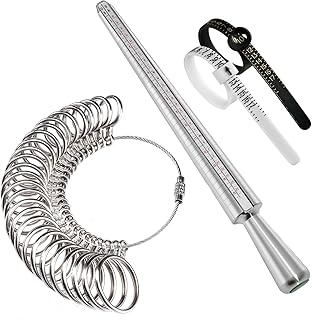
The classic ring mandrel is a tapered metal or plastic rod marked with US ring size increments (and often international scales). It's primarily used by jewelers to measure, shape, and resize rings themselves. You slide a ring onto the mandrel until it stops; the marking at that point indicates its size. While excellent for measuring existing rings, it's not designed to measure a finger directly.
2. Ring Sizing Kits with Loops or Rings
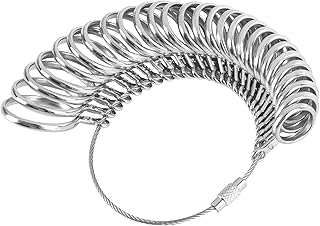
This is the most common and user-friendly type for measuring fingers directly. A typical ring sizing kit contains a set of metal or plastic rings, each stamped with a specific size. The user tries on different rings from the set until they find the one that slides over the knuckle comfortably but fits snugly on the base of the finger. Comprehensive kits, like the NIUPIKA 27-piece set, often include a mandrel as well, making them a versatile all-in-one solution for both finger measurement and ring verification.
3. Adjustable Ring Sizers (Ring Gauges)
An adjustable ring gauge is a single tool, usually a metal ring sizer with a sliding mechanism or a flexible band that can be tightened or loosened. You place it on the finger, adjust for a perfect fit, and then read the size from a scale. These are compact and portable but may be slightly less durable than a full set of individual sizing rings.
4. Digital and Printable Sizers
While convenient, digital sizers (apps that use your phone's camera) and printable paper sizers are generally the least accurate. Factors like screen calibration, print scaling, and paper thickness can introduce significant error. They are best used for a very rough estimate before confirming with a physical tool.
How to Accurately Measure Your Ring Size at Home
Follow this professional step-by-step guide to achieve the most accurate measurement possible using a sizing kit.
Best Time to Measure: Measure your finger at the end of the day when it is at its largest. Fingers can swell in heat, after exercise, or due to dietary factors.
Consider the Ring Style: Wider bands (over 6mm) will feel tighter than delicate bands. If sizing for a wide band, you may need to go up a half or full size.
Step 1: Gather Your Kit. Ensure you have a complete set of sizing rings that covers a full range (e.g., US sizes 1-13).
Step 2: Try the Sizers. Start with a size you think might fit. Slide the sizing ring over your knuckle. It should require a gentle push.
Step 3: Assess the Fit. The ring should slide over the knuckle with slight resistance and sit snugly at the base of your finger without being loose. It should not pinch or feel uncomfortable. You should feel a slight resistance when trying to remove it over the knuckle.
Step 4: Account for Temperature. Your finger is smaller when cold. The perfect fit will feel slightly snug when your hands are cold and perfectly comfortable at room temperature.
Step 5: Measure Multiple Times. Repeat the process 2-3 times on the same finger to confirm consistency. Measure the specific finger the ring is intended for, as size can vary between fingers and hands.
Choosing the Right Ring Sizer for Your Needs
With various options on the market, selecting the best tool depends on your primary use case.
For Jewelers and Hobbyists: A durable, metal ring mandrel is non-negotiable for shaping and resizing work. Pair it with a full set of finger sizers for customer consultations. A comprehensive kit that includes both is ideal.
For Proposals and Gifts: Discretion is key. Borrowing a ring from the recipient's jewelry box and measuring it on a mandrel is the classic method. Alternatively, a compact, adjustable ring gauge can be used subtly to measure their size while they sleep (though this requires great care!).
For Personal Use and Online Shopping: A dedicated ring sizing kit is a wise investment for anyone who buys rings online frequently. It eliminates the guesswork and costly returns associated with wrong sizes.
When evaluating a kit, look for features like clear, permanent size markings, a wide range of sizes (including half sizes), and durable construction. A kit like the NIUPIKA set, which offers 27 pieces covering mandrel and sizers, provides exceptional value and versatility for most users.
Common Ring Sizing Mistakes to Avoid
Even with the right tool, errors can happen. Steer clear of these common pitfalls:
- Measuring in the Morning: Fingers are typically smallest after a night's rest, leading to a size that's too tight.
- Ignoring Knuckle Size: The ring must fit over the largest part of the finger (the knuckle). Measuring only the base can result in a ring that's impossible to put on.
- Using String or Paper: These materials stretch and compress, making them highly unreliable for precise measurement.
- Not Considering Band Width: As mentioned, wider bands require a larger size for the same comfort level.
- Sizing a Swollen Finger: Avoid measuring during illness, pregnancy, or extreme weather if possible, as temporary swelling will skew results.
Beyond Measurement: The Versatility of a Ring Mandrel
While the primary focus is on measuring fingers, the ring mandrel in a comprehensive kit serves multiple purposes. For DIY enthusiasts and jewelers, it's an indispensable workshop tool. You can use it to:
- Reshape Bent Rings: Gently hammer a misshapen ring back to roundness on the mandrel.
- Verify Ring Size Post-Resizing: After soldering or stretching a ring, confirm the final size on the mandrel.
- Create Consistent Ring Blanks: Form wire or strip metal around the mandrel to create uniform ring bases for fabrication.
This dual functionality makes a kit that includes a mandrel, like many professional-grade options, a powerful asset for anyone serious about rings.
Final Thoughts: Your Key to a Perfect Fit
Accurate ring sizing is not a matter of luck; it's a matter of using the right tool correctly. A high-quality ring sizer demystifies the process, transforming it from a stressful guess into a simple, reliable task. Whether you opt for a full professional kit or a simple set of sizing loops, this small investment pays for itself by ensuring comfort, security, and the full enjoyment of your precious jewelry. Remember, the perfect ring isn't just about design and stone—it's about how it feels on your finger. Start with an accurate measurement, and you're guaranteed a fit that feels as incredible as it looks.