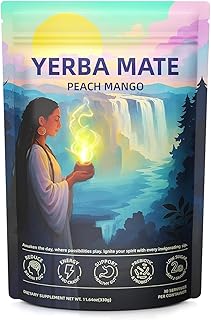
For centuries, a unique botanical tradition has woven its way through cultures, celebrated for its invigorating properties and deep cultural significance. Today, this tradition finds a modern expression, inviting a new generation to explore its potential. This guide is your gateway to understanding this fascinating world, from its earthy origins to the personal rituals you can create. Whether you're a curious newcomer or a seasoned enthusiast, prepare to discover the layers of history, benefit, and practice that define this remarkable plant's legacy.
What is Yerba? A Botanical Deep Dive
At its heart, yerba refers to the dried leaves of the Ilex paraguariensis plant, a species of holly native to the subtropical regions of South America, particularly Argentina, Paraguay, Uruguay, and southern Brazil. It is the foundational ingredient in the traditional beverage known as mate (pronounced MAH-tay). Unlike tea from the Camellia sinensis plant, yerba contains a unique blend of compounds, including caffeine (often called "mateine"), theobromine, and a rich array of antioxidants, vitamins, and minerals. The preparation and consumption of yerba mate is a ritualistic social practice, often shared from a single gourd (the mate) through a metal straw (a bombilla). This communal act is a cornerstone of hospitality and connection in many South American cultures.
Unlocking the "Magic": Potential Benefits and Modern Science
The term "magic" in this context often speaks to the multifaceted effects users report. While individual experiences vary, scientific research and traditional wisdom point to several compelling areas of benefit linked to the compounds found in yerba.
Sustained Energy and Mental Clarity
Many users turn to yerba for a clean, focused energy boost. Unlike the sharp spike and crash sometimes associated with coffee, the combination of caffeine, theobromine (also found in chocolate), and other xanthines in yerba is believed to provide a more gradual and sustained release of energy. This can lead to improved concentration, alertness, and reduced mental fatigue without the jittery side effects, making it a popular choice for students, professionals, and athletes.
Antioxidant Powerhouse
Yerba leaves are loaded with polyphenols, such as chlorogenic acid and quercetin, which act as potent antioxidants. These compounds help combat oxidative stress in the body by neutralizing free radicals, unstable molecules that can damage cells. A diet rich in antioxidants is associated with supporting overall cellular health and longevity.
Digestive and Metabolic Support
Traditional use of yerba mate includes aiding digestion. It is often consumed after meals for this purpose. Some preliminary studies suggest it may have a mild stimulatory effect on digestion. Furthermore, its potential role in supporting a healthy metabolism has attracted interest, though more research is always welcomed in this area.
A Ritual for Mindfulness and Connection
Perhaps one of the most profound benefits is not purely biochemical but social and psychological. The act of preparing and sharing mate is a ritual that forces a pause, encourages mindfulness, and fosters deep social bonds. In a fast-paced world, this intentional practice of connection—with oneself or others—can be a powerful form of modern-day magic for mental well-being.
From Tradition to Your Kitchen: How to Use Yerba
Embracing yerba is about embracing a method. Here are the primary ways to enjoy it, from the traditional to the contemporary.
The Traditional Mate Method
This is the classic preparation. You'll need a mate gourd (or a similar vessel), a bombilla, and loose-leaf yerba. Fill the gourd about two-thirds full with yerba leaves. Tilt the gourd so the leaves mound on one side, creating a slope. Pour a small amount of cool or warm (not boiling) water into the empty space at the bottom to moisten the leaves and let them "swell." Insert the bombilla into the damp area. Now, you can pour hot water (ideally around 150-160°F or 70-80°C, never boiling) into the same spot. Sip through the bombilla, refilling with hot water as the flavor begins to weaken. The same leaves can be infused many times.
Yerba as a Tea (Mate Cocido)
For a simpler, more familiar approach, you can brew yerba like loose-leaf tea. Use a tea infuser or a French press. Add about one tablespoon of yerba per cup of water. Pour hot water (again, avoiding boiling) over the leaves and steep for 3-5 minutes. Strain and enjoy. You can add honey, lemon, or milk to taste.
Cold Brew & Modern Infusions
Yerba makes a fantastic cold brew for a refreshing, energizing iced drink. Combine yerba leaves with cold water in a pitcher (a ratio of 1:8 is a good start) and refrigerate for 6-12 hours. Strain and serve over ice. Creative mixologists also use yerba as a base for cocktails or blend it into smoothies for an herbal, caffeinated kick.
Crafting Your Own Yerba Magic Ritual
Integrating yerba into your life is about creating personal significance. Here’s how to build your own ritual.
- Set Your Intention: Decide what you seek from the experience. Is it morning focus, an afternoon reset, or a moment of connection with a friend?
- Curate Your Space: Prepare your tools—your gourd, bombilla, thermos of hot water, and of course, your chosen Yerba Magic blend. Find a quiet, comfortable spot.
- Mindful Preparation: Engage fully in the preparation process. Feel the texture of the leaves, listen to the water pour, notice the aroma. This act of mindfulness is central to the magic.
- Savor and Reflect: Drink slowly. Pay attention to the evolving flavor with each sip. Use this time to gather your thoughts, plan your day, or simply be present.
- Make it Social: Share the experience. Passing the mate gourd among friends is an ancient practice of trust and camaraderie. It transforms a simple drink into a shared journey.
Choosing Your Yerba: A Connoisseur's Notes
Not all yerba is created equal. The flavor, strength, and experience can vary based on several factors.
- Con Palo vs. Sin Palo: "Con palo" includes stems and twigs, resulting in a milder, smoother, and slightly sweeter flavor with less bitterness. "Sin palo" is leaves only, offering a stronger, more robust, and more bitter taste with a higher concentration of active compounds.
- Smoking Process: Traditional yerba is dried over wood fires (barbacua method), which imparts a distinctive smoky, woody flavor. Air-dried (sin humo) varieties have a greener, more herbal taste.
- Blends and Flavors: Modern producers often create blends with added herbs like mint, citrus peel, or chamomile, catering to diverse palates and seeking specific yerba experiences.
Responsible Enjoyment and Considerations
While yerba is celebrated for its benefits, mindful consumption is key. Due to its caffeine content, it's advisable to avoid consumption late in the day if you are sensitive to stimulants. As with any dietary change, it's wise to start with a small amount to see how your body reacts. Pregnant or nursing individuals and those with specific health conditions should consult a healthcare professional before making yerba a regular part of their routine. The true magic lies in a respectful and balanced approach that honors both the tradition and your personal well-being.
Conclusion: Embracing the Leaf of Friendship
Exploring the world of yerba is more than just trying a new beverage; it's an invitation to participate in a living tradition. It connects you to the earthy soils of South America, to centuries of shared gourds, and to a simple, profound philosophy: that sustenance and society can be poured from the same vessel. Whether you seek physical vitality, mental clarity, or a tangible ritual for connection, the path of yerba offers a rich and rewarding journey. So, heat your water, prepare your leaves, and discover the unique blend of history, health, and harmony that awaits in every sip. Your personal Yerba Magic ritual begins now.