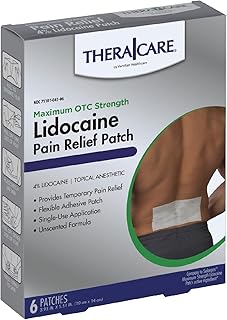
For millions seeking effective, targeted relief from localized pain, over-the-counter (OTC) solutions like the TheraCare Maximum Strength OTC Pain Relief Patch have become a game-changer. This 4% lidocaine patch offers a non-invasive, convenient alternative to oral medications, delivering numbing relief directly to the source of discomfort. Whether you're managing chronic back pain, sore muscles from activity, or the persistent ache of arthritis, understanding how to use this powerful tool correctly is key to maximizing its benefits. This comprehensive guide dives deep into everything you need to know about maximum strength OTC patches, with a focus on the TheraCare formulation, to help you make an informed decision for your pain management routine.
What is a Lidocaine Patch and How Does It Work?
A Lidocaine Patch is a topical analgesic product designed to deliver pain relief directly through the skin. Lidocaine is a local anesthetic that works by temporarily blocking nerve signals in the area where it is applied. The TheraCare Maximum Strength patch contains 4% lidocaine, which is the highest concentration available without a prescription. When you apply the patch, the medication is absorbed into the upper layers of the skin, numbing the underlying nerves and providing relief from various types of pain, including neuropathic pain, muscular aches, and joint discomfort. This targeted approach minimizes systemic absorption, reducing the risk of side effects commonly associated with oral pain relievers.
Key Benefits of Using the TheraCare Maximum Strength Patch
The TheraCare patch offers several distinct advantages for pain management. Its maximum strength 4% lidocaine formula provides potent, targeted relief. As an OTC pain relief option, it offers accessibility without the need for a doctor's visit. The patch format ensures continuous medication delivery for up to 12 hours, as directed, allowing for long-lasting comfort. It's specifically useful for back pain relief, whether from strain, poor posture, or underlying conditions. Athletes and active individuals find it effective for muscle pain relief after workouts or physical labor. Furthermore, many users with osteoarthritis or similar conditions report significant arthritis pain relief from the localized numbing effect on tender joints.
Common Uses and Conditions for Lidocaine Patches
Lidocaine patches are versatile tools in managing localized pain. They are frequently recommended for post-herpetic neuralgia (nerve pain following shingles), but their OTC use has expanded significantly. The TheraCare patch is ideal for managing pain from minor strains, sprains, and bruises. It can soothe sore muscles in the neck, shoulders, and lower back. For those with arthritis, applying a patch over aching knees, elbows, or wrists can provide welcome respite. The patch can also be used for pain associated with minor surgeries, injections, or other superficial procedures. It's important to remember that while it effectively manages pain symptoms, it does not treat the underlying cause of inflammation or injury.
Step-by-Step Guide: How to Apply the TheraCare Patch Correctly
Proper application is crucial for both safety and effectiveness. First, ensure the skin area is clean, dry, intact, and free of cuts, irritation, or rash. Remove the patch from its protective pouch and peel off the clear liner. Apply the adhesive side firmly to the painful area, smoothing it down to ensure full contact. The TheraCare patch measures 3.9” x 5.5”, providing a generous surface area for coverage. Do not apply the patch to broken skin or mucous membranes. Wash your hands immediately after application to avoid accidentally transferring lidocaine to your eyes or other sensitive areas. A single patch can be worn for up to 12 hours within a 24-hour period, followed by 12 hours off. Do not cut the patch.
Safety Precautions and Potential Side Effects
While generally safe for OTC use, it's vital to follow label instructions. Do not use more than three patches at once or for longer than directed. Common side effects are usually mild and localized, such as redness, itching, or a burning sensation at the application site. In rare cases, systemic absorption can cause dizziness, nausea, or irregular heartbeat—discontinue use and seek medical attention if these occur. The patch should not be used with a heating pad, as heat can increase absorption and the risk of side effects. Consult a doctor before use if you are pregnant, nursing, have liver disease, or are taking other medications. Keep out of reach of children and pets.
Comparing TheraCare to Other OTC Pain Relief Methods
How does a pain relief patch like TheraCare stack up against other options? Unlike oral NSAIDs (e.g., ibuprofen) or acetaminophen, which work throughout the body and can affect the stomach or liver, the patch delivers medicine locally. This makes it a preferable choice for individuals with gastrointestinal sensitivities or those who want to avoid systemic effects. Compared to creams or gels, patches provide controlled, continuous release without the mess and need for reapplication. The TheraCare maximum strength patch offers a higher dose of lidocaine than many roll-ons or sprays, making it suitable for more persistent or severe localized pain. It's a tool best used for targeted relief rather than widespread bodily aches.
Who Can Benefit Most from the TheraCare Lidocaine Patch?
This product is designed for adults seeking temporary relief from minor, localized pain. It is particularly beneficial for individuals with chronic conditions causing focal pain points, such as osteoarthritis sufferers with knee or hand pain. Office workers experiencing lower back or neck tension from sitting may find it helpful. Gardeners, DIY enthusiasts, or athletes dealing with muscle soreness are also ideal candidates. It serves as an excellent adjunct therapy for those who want to reduce their reliance on oral pain medications. However, it is not a substitute for medical treatment for serious injuries, infections, or unexplained chronic pain. A healthcare provider can best determine if a TheraCare patch is right for your specific situation.
Frequently Asked Questions About Lidocaine Patches
Can I wear the patch while sleeping or showering?
Yes, the TheraCare patch is designed to stay adhered during normal activities, including sleeping. It is also water-resistant, so brief exposure to water during a shower is generally fine. However, prolonged soaking, swimming, or heavy sweating may loosen the adhesive. Always pat the area dry gently if it gets wet; do not rub.
How long does it take for the patch to start working?
Most users begin to feel a numbing sensation within 30 to 60 minutes of application. The full pain-relieving effect typically builds over the first few hours as the lidocaine penetrates the skin layers.
Where should I NOT apply the patch?
Never apply the patch to eyes, mouth, or other mucous membranes. Avoid application on broken, damaged, or irritated skin. Do not apply it over a wound, rash, or eczema.
Integrating the TheraCare Patch into a Holistic Pain Management Plan
For best results, view the TheraCare Maximum Strength Lidocaine Patch as one component of a broader approach to wellness. Combine its use with gentle stretching, physical therapy exercises recommended for your condition, proper ergonomics, and adequate rest. Maintaining a healthy weight reduces stress on painful joints. Applying the patch can provide the comfort window needed to engage in beneficial, gentle movement. Always address the root cause of pain with a healthcare professional. The TheraCare Maximum Strength OTC Pain Relief Patch is a powerful, convenient tool for reclaiming daily comfort from localized pain, allowing you to move more freely and live more fully.





