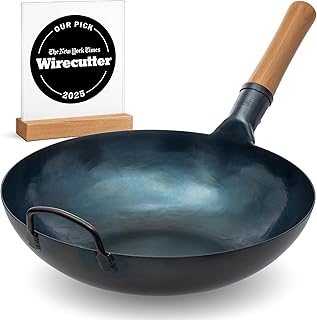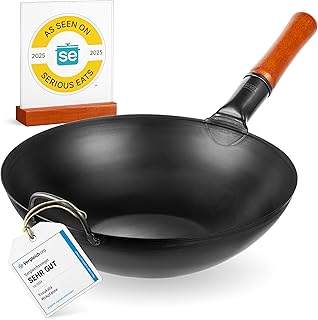
For home cooks and professional chefs alike, the quest for the perfect sear, the ideal stir-fry, and unparalleled heat control often leads to one essential piece of cookware: the carbon steel wok. While cast iron and stainless steel have their places, a well-seasoned carbon steel wok offers a unique combination of lightweight durability, rapid heat response, and natural non-stick properties that are hard to beat. This guide will explore everything you need to know about this versatile kitchen workhorse, from its material benefits to step-by-step seasoning instructions and pro cooking techniques.
Why Choose a Carbon Steel Wok?
Understanding the material is key to appreciating its value. Carbon steel is an alloy of iron and carbon, typically with a carbon content lower than cast iron but higher than most stainless steel. This composition gives it a remarkable set of characteristics perfect for wok cooking. First and foremost is its exceptional heat conductivity and retention. It heats up quickly and evenly, responding instantly to changes in your stove's flame—a critical factor for the high-heat, quick-cooking techniques of stir-frying. Unlike thin, cheap woks that develop hot spots, a quality carbon steel wok distributes heat uniformly across its curved surface.
Secondly, its relatively lightweight nature compared to cast iron makes the iconic wrist-flip and tossing of ingredients not just possible, but effortless. This allows for constant movement of food, ensuring even cooking and that coveted "wok hei" or breath of the wok—the slightly smoky, charred flavor that defines great stir-fried dishes. Furthermore, when properly seasoned, carbon steel develops a natural, slick polymerized coating that rivals traditional non-stick surfaces without the health and environmental concerns associated with synthetic coatings. This seasoning improves with use, making your wok better over time. For those passionate about authentic techniques, exploring our carbon steel wok collection is the first step toward mastering them.
The Art and Science of Seasoning Your Wok
Seasoning is not just a one-time preparation; it's the process of building a relationship with your cookware. A new carbon steel wok often comes with a protective coating of oil or wax to prevent rust during shipping. This must be thoroughly scrubbed off with hot, soapy water and a scouring pad before you begin. Once clean and completely dry, the real transformation begins.
Step-by-Step Initial Seasoning
1. Heat the Wok: Place your clean, dry wok over high heat until the entire surface changes color, often turning a bluish or bronze hue. This opens the pores of the metal. 2. Apply Oil: Reduce the heat to medium. Using a paper towel held with tongs, wipe a thin, even layer of high-smoke-point oil (like flaxseed, grapeseed, or avocado oil) over the entire interior surface. 3. Polymerize: Return the heat to high until the oil starts to smoke. Swirl the oil to coat evenly as it smokes for about 1-2 minutes. You'll see the metal darken. 4. Cool and Repeat: Let the wok cool completely. Wipe out any excess oil. Repeat this process 3-5 times. With each layer, the patina will deepen from bronze to brown to a beautiful, slick black.
This polymerized layer is what creates the non-stick surface. It's crucial to remember that seasoning is maintenance. After each use, clean your wok with hot water and a soft brush (avoid soap, especially in the early stages), dry it thoroughly over heat, and apply a whisper-thin layer of oil before storing. This ongoing care reinforces the seasoning, making it virtually indestructible.
Mastering Cooking Techniques with Your Carbon Steel Wok
A carbon steel wok's versatility extends far beyond stir-frying. Its shape and heat properties make it ideal for a multitude of techniques. For classic stir-frying, the key is mise en place—having all ingredients prepped and within arm's reach. Heat the wok until it's screaming hot, almost smoking. Add your oil, swirl it around the "well," and immediately add your aromatics like garlic or ginger, followed by your main protein and vegetables in order of required cooking time. The constant tossing ensures everything cooks quickly and evenly.
But don't stop there. Use your wok for deep-frying; its wide top and curved sides contain splatter better than a standard pot. You can steam by placing a bamboo steamer inside. It's excellent for smoking techniques—simply line it with foil, add tea leaves and sugar, place a rack on top, and smoke proteins like duck or fish. You can even use it for boiling soups or blanching vegetables. The high, sloping sides are perfect for these liquid-based methods. To explore recipes that leverage these techniques, check out our dedicated cookware guides.
Carbon Steel vs. Cast Iron and Non-Stick Woks
Choosing the right wok material depends on your cooking style and priorities. Cast iron woks are champions of heat retention, perfect for tasks where you want a steady, even heat for a long time, like braising. However, they are significantly heavier, making the tossing action of stir-frying difficult, and they take much longer to heat up and cool down.
Traditional non-stick woks (with Teflon or ceramic coatings) offer convenience for low-fat cooking and easy cleanup, but they have serious limitations. They cannot withstand the high heat required for authentic stir-frying, as temperatures above 500°F (260°C) can cause the coating to break down and release toxic fumes. Their non-stick surface also prevents the development of "wok hei" and degrades over time, eventually requiring replacement.
A carbon steel wok strikes the ideal balance. It heats nearly as fast as a thin non-stick pan but retains and distributes heat better. It develops a superior, natural non-stick surface that gets better with age, unlike synthetic coatings that wear out. It's lightweight enough for technique-driven cooking but durable enough to last a lifetime. For the home cook seeking a single, versatile, professional-grade tool, carbon steel is often the undisputed winner.
Care, Maintenance, and Troubleshooting
Proper care ensures your wok becomes a cherished heirloom. After cooking, while the wok is still warm, rinse it with hot water and use a soft brush or bamboo wok brush to remove food particles. Avoid using soap, especially during the first few months, as it can strip the delicate seasoning. If you encounter stubborn residue, use coarse salt as a gentle abrasive. Scrub with the salt and a paper towel, then rinse.
The most critical step is drying. Never air-dry a carbon steel wok, as it will rust. Always place it back on the burner over low to medium heat until all moisture evaporates. Once dry, apply a microscopically thin layer of oil with a paper towel to protect the surface. If you notice rust spots (orange discoloration), don't panic. Simply scrub the area with a scouring pad or steel wool until the rust is gone, then re-season that spot by following the oil-and-heat process. With consistent care, these issues become rare.
Conclusion: Your Journey to Wok Mastery Begins
Investing in and learning to use a carbon steel wok is an investment in your culinary skills. It's a tool that rewards patience and practice, evolving alongside you as a cook. From the initial ritual of seasoning to the satisfying sizzle of a perfect stir-fry, it connects you to centuries of cooking tradition while offering unmatched modern performance. Whether you're searing a steak, frying spring rolls, or crafting a vegetable lo mein, a well-maintained carbon steel wok is the most versatile pan you'll ever own. Ready to experience the difference? Start your journey with a high-quality carbon steel wok and unlock a new world of flavor and technique in your kitchen.