Struggling with restless nights and waking up feeling unrefreshed? You're not alone. In the quest for better sleep, many are turning away from harsh pharmaceuticals and towards natural, evidence-based solutions. Among these, one mineral stands out for its profound impact on sleep architecture and overall relaxation: magnesium. Specifically, the form known as magnesium glycinate has garnered significant attention for its superior absorption and gentle effects on the body. This comprehensive guide will explore why Magnesium Glycinate Sleep support is becoming a cornerstone of natural wellness routines, delving into the science, benefits, and practical application of this powerful supplement.
The Science of Sleep and Magnesium's Role
Sleep is not merely a passive state of rest; it's an active, complex physiological process essential for cognitive function, emotional regulation, and physical repair. During sleep, our brains consolidate memories, our bodies repair tissues, and our hormones rebalance. Disruptions in this process can have far-reaching consequences for our health. Magnesium, an essential mineral involved in over 300 enzymatic reactions in the body, plays several key roles in facilitating healthy sleep. It acts as a natural relaxant for the nervous system by regulating neurotransmitters that calm nerve activity. It also helps regulate the body's stress-response system, the HPA axis, and supports the production of melatonin, the hormone that signals to your body it's time to sleep.
Why Magnesium Glycinate? Understanding Bioavailability
Not all magnesium supplements are created equal. The key to effectiveness lies in bioavailability—how well your body can absorb and utilize the mineral. Magnesium oxide, a common and inexpensive form, is poorly absorbed and often causes digestive discomfort. Magnesium citrate is better absorbed but can have a laxative effect. This is where magnesium glycinate shines. In this form, magnesium is bound to the amino acid glycine. This chelation process creates a highly stable compound that is exceptionally gentle on the stomach and boasts one of the highest absorption rates among magnesium supplements. The glycine itself is a bonus; it's a calming neurotransmitter that can independently promote relaxation and improve sleep quality. For those seeking effective high absorption magnesium, glycinate is often the top-recommended form by healthcare practitioners.
Beyond Sleep: The Holistic Benefits of Magnesium Glycinate
While renowned for its sleep-promoting properties, the benefits of magnesium glycinate extend far beyond the bedroom, contributing to a foundation of overall well-being.
Muscle Relaxation and Recovery
Magnesium is a critical electrolyte that helps muscles contract and, more importantly, relax. It counteracts calcium, which stimulates contraction. A deficiency can lead to muscle cramps, twitches, and general tension. Supplementing with a quality muscle relaxation supplement like magnesium glycinate can ease post-exercise soreness, reduce nighttime leg cramps, and alleviate general muscular stiffness, contributing to both physical comfort and better sleep.
Cardiovascular and Skeletal Support
Magnesium's role is foundational for long-term health. It helps maintain a normal, steady heart rhythm and supports healthy blood pressure levels already within the normal range, contributing to heart health support. Furthermore, magnesium is a partner to calcium and vitamin D in building and maintaining strong bones. It aids in the conversion of vitamin D into its active form and helps incorporate calcium into the bone matrix, making it a vital component of any bone health support strategy.
Stress and Mood Regulation
By modulating the body's stress response and supporting GABA (a calming neurotransmitter) function, magnesium glycinate can help take the edge off daily anxiety and promote a more balanced, resilient mood. This reduction in nervous system arousal is intrinsically linked to the ability to fall and stay asleep.
Choosing a Quality Supplement: What to Look For
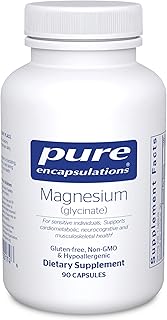
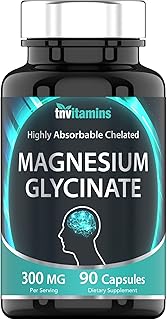
With countless options on the shelf, selecting the right magnesium glycinate supplement is crucial. Key factors include purity, formulation, and third-party testing. For individuals with dietary restrictions, seeking out gluten free supplements and non GMO vitamins ensures the product aligns with their health values. The delivery form also matters; vegetarian capsules are often preferred for their clean, plant-based composition. A product that exemplifies these standards is the OMOGS High Absorption Magnesium Glycinate. This formulation is specifically designed for supporting sleep, muscle relaxation, heart health, and bone health, while being gluten-free, non-GMO, and delivered in 90 vegetarian capsules, making it a comprehensive choice for the discerning consumer.
How to Use Magnesium Glycinate for Optimal Sleep
Timing and dosage are key. For sleep support, taking 200-400 mg of elemental magnesium (from magnesium glycinate) 30-60 minutes before bedtime is generally recommended. It's best to start with a lower dose to assess tolerance. Consistency is more important than a high dose; taking it nightly allows magnesium levels to build up in your system for sustained benefits. Pair your supplement routine with good sleep hygiene: a dark, cool room, limiting blue light exposure before bed, and establishing a relaxing pre-sleep ritual.
Safety, Side Effects, and Who Should Consider It
Magnesium glycinate is widely considered safe for most adults when taken at appropriate doses. Due to its high absorption and gentle nature, it rarely causes the digestive upset associated with other forms. However, individuals with kidney disease should consult a doctor before supplementing. It can also interact with certain medications, like antibiotics and diuretics, so a healthcare provider's guidance is essential. If you experience persistent sleep issues, fatigue, muscle cramps, or are under significant stress, discussing magnesium glycinate with your healthcare practitioner could be a valuable step.
Conclusion: Embracing Natural Sleep Support
In a world saturated with quick fixes, magnesium glycinate offers a science-backed, natural path to improving sleep and enhancing overall vitality. Its unique combination of high bioavailability, coupled with the calming effects of glycine, makes it a superior choice for those seeking restful sleep without grogginess. By addressing underlying mineral deficiencies and supporting the nervous system's natural relaxation processes, it helps restore the body's innate ability to achieve deep, restorative rest. Whether you choose a comprehensive formula like OMOGS High Absorption Magnesium Glycinate or another high-quality brand, incorporating this powerful mineral into your nightly routine could be the key to unlocking better sleep and waking up to a healthier, more energized you.