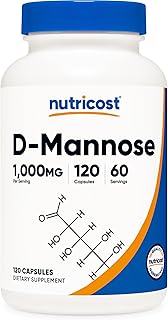
If you've ever experienced the discomfort of a urinary tract infection (UTI), you know how urgently you seek relief and prevention. While antibiotics are a common solution, many are turning to natural, supportive alternatives for maintaining urinary health. Among these, D-Mannose has emerged as a powerful, science-backed option. This simple sugar, found naturally in fruits like cranberries and peaches, plays a unique role in flushing out harmful bacteria before they can cause an infection. In this comprehensive guide, we'll explore how D-Mannose works, its key benefits, and how to choose an effective supplement for long-term urinary tract health.
What is D-Mannose and How Does It Work?
D-Mannose is a type of simple sugar, closely related to glucose, that occurs naturally in small amounts in various fruits. Unlike regular sugar, the body does not metabolize most of the D-Mannose you consume; instead, it is rapidly absorbed and then excreted by the kidneys into the urinary tract. This journey is where its magic happens. The walls of the urinary bladder are lined with cells that have tiny, hair-like projections. Harmful bacteria, most commonly E. coli (responsible for about 90% of UTIs), have lectins on their surface—essentially sticky fingers—that bind to these projections, allowing them to colonize and cause infection.
D-Mannose molecules act as a decoy. These bacteria find D-Mannose even more attractive to bind to than the bladder wall. When you take a D-Mannose supplement, the sugar floods the urinary tract. The E. coli bacteria latch onto the freely floating D-Mannose molecules instead of your bladder's cells. These bacteria-mannose complexes are then harmlessly flushed out of the body during urination. This mechanical action of "escorting" bacteria out makes D-Mannose a fast-acting and targeted approach for bladder support, without disrupting the body's beneficial gut flora like antibiotics often do.
Key Benefits of Using D-Mannose for Urinary Health
The primary and most celebrated benefit of D-Mannose is its ability to prevent recurrent urinary tract infections. For individuals prone to frequent UTIs, it can be a game-changer, offering a maintenance strategy that reduces dependence on antibiotics. But the benefits extend beyond just prevention.
- Fast-Acting Support: Many users report feeling relief from early UTI symptoms, like urgency and mild discomfort, within hours of taking a dose. This is because the mechanism of action is physical rather than biochemical, allowing it to work quickly to clear bacteria.
- High Safety Profile: As a substance naturally found in the human body and in foods, D-Mannose is generally very well-tolerated. It does not kill bacteria but removes them, which means it doesn't contribute to antibiotic resistance—a major global health concern.
- Supports a Healthy Bladder Lining: Some research suggests D-Mannose may help repair and protect the glycosaminoglycan (GAG) layer that lines the bladder, acting as an additional defensive barrier against irritants and pathogens.
- Synergy with Other Ingredients: When combined with other supportive compounds, its efficacy can be enhanced. This is why many advanced formulas pair it with ingredients like cranberry extract.
Why Choose a Formula with Cranberry Extract?
For decades, cranberry juice has been a folk remedy for UTIs. Modern science points to proanthocyanidins (PACs) in cranberries as the active compounds that may prevent bacteria from adhering to the urinary tract. While cranberry alone can be helpful, its mechanism is different from D-Mannose. Combining them creates a multi-faceted defense strategy. D-Mannose provides a direct, rapid-response "clean-up" of E. coli, while the PACs from a potent cranberry extract help make the bladder environment less hospitable for bacterial adhesion in the first place. This one-two punch is why a high-quality supplement that includes both is often recommended for comprehensive bladder support.
How to Use D-Mannose Effectively: Dosage and Timing
For preventive maintenance, a typical daily dose ranges from 1000mg to 2000mg. It's often recommended to split this dose, taking it once in the morning and once in the evening with a large glass of water to ensure proper flushing of the urinary tract. For acute support at the first sign of a UTI, the dosage is usually higher—often around 1500mg taken every 2-3 hours for the first day or two (up to a safe maximum, as directed on the product label), then reduced to a maintenance level. Consistency and hydration are key. The sugar needs water to move through your system and carry the bacteria away. Always follow the specific dosage instructions on your chosen supplement and consult with a healthcare provider for personalized advice, especially if you have diabetes or kidney issues.
Choosing a High-Quality D-Mannose Supplement
Not all D-Mannose supplements are created equal. To ensure you're getting a pure, effective, and responsibly made product, look for these markers of quality:
- Purity and Potency: Opt for a supplement that specifies a high dose of pure D-Mannose per serving, such as 1300mg. This ensures you're getting a clinically relevant amount.
- Synergistic Blends: As discussed, a formula that includes organic cranberry extract can provide broader-spectrum support.
- Clean Label: Seek out products that are Non-GMO, gluten-free, and free from unnecessary fillers, artificial colors, or preservatives. For those following specific diets, vegan supplements certified with plant-based capsules are ideal.
- Third-Party Testing: Brands that invest in independent testing for purity and potency demonstrate a commitment to quality and transparency.
An example of a supplement that meets these high standards is the NaturaLife Labs Organic D-Mannose formula. It combines a robust 1300mg of organic D-Mannose with 100mg of organic cranberry extract per serving, creating a potent, fast-acting formula for urinary health. Being certified organic, non-GMO, gluten-free, and vegan, it aligns with a clean, health-conscious lifestyle while delivering the targeted support many are looking for.
Frequently Asked Questions About D-Mannose
Is D-Mannose safe for long-term use?
Yes, due to its natural occurrence and gentle mechanism of action, D-Mannose is considered safe for long-term, daily use as a preventive measure. Always consult your doctor for ongoing use.
Can D-Mannose treat an active UTI?
D-Mannose is most effective as a preventive tool and for addressing very early symptoms. For a full-blown, painful UTI, it is crucial to see a healthcare professional, as you may require antibiotics to fully clear a deep-seated infection. D-Mannose can be a helpful supportive measure alongside prescribed treatment.
Are there any side effects?
Side effects are rare and mild. Some people may experience loose stools or mild bloating when first starting, as the body adjusts. These symptoms typically subside. Drinking plenty of water minimizes any potential for discomfort.
Who should not take D-Mannose?
Individuals who are pregnant or breastfeeding should consult their doctor before use. People with diabetes should monitor their blood sugar closely, as D-Mannose is a sugar, though most is not metabolized. Those with known kidney disease should avoid it unless approved by their nephrologist.
Conclusion: Embracing a Natural Path to Urinary Wellness
In the quest for holistic health, having safe and effective natural tools is empowering. D-Mannose, especially when paired with cranberry extract, offers a scientifically grounded, gentle, and proactive strategy for maintaining urinary tract health and preventing the cycle of recurrent infections. By understanding how it works, using it correctly, and choosing a high-quality, clean supplement from a reputable brand, you can take confident steps toward supporting your body's natural defenses. Remember, while supplements like D-Mannose are powerful allies, they work best as part of a healthy lifestyle that includes staying hydrated, practicing good hygiene, and seeking professional medical advice when needed.