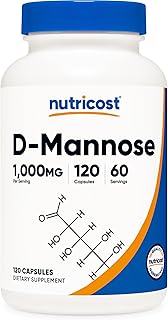
If you've ever searched for natural ways to support urinary tract health, you've likely come across D-Mannose. This simple sugar, often found in fruits like cranberries and apples, has gained significant attention for its potential role in preventing and managing urinary tract infections (UTIs). But what exactly is it, and how does it work? In this comprehensive guide, we'll dive deep into the science, benefits, and practical uses of D-Mannose, empowering you with the knowledge to make informed decisions about your health.
What is D-Mannose? Understanding the Basics
D-Mannose is a type of simple sugar, or monosaccharide, closely related to glucose. Unlike table sugar (sucrose) or glucose, the body metabolizes D-Mannose very slowly. It is naturally present in small amounts in several fruits, including cranberries, peaches, apples, and oranges. Its primary claim to fame in the wellness world stems from its unique interaction with the bacteria most commonly responsible for UTIs, primarily *Escherichia coli (E. coli)*. When consumed, a significant portion of D-Mannose is excreted unchanged in the urine, where it performs its protective action.
The Science Behind D-Mannose and Urinary Health
The mechanism of action for D-Mannose is elegantly simple and well-supported by scientific research. Most UTIs (up to 90%) are caused by *E. coli* bacteria. These bacteria have tiny hair-like projections called fimbriae that are tipped with lectin proteins. These lectins act like hooks, allowing the bacteria to bind firmly to the mannose-containing receptors on the lining of the urinary tract, a critical first step in establishing an infection.
When you take a D-Mannose supplement, the sugar molecules flood the urinary tract. The bacterial lectins have a much stronger attraction to the free-floating D-Mannose in the urine than to the mannose receptors on your bladder wall. Essentially, the D-Mannose acts as a decoy. The bacteria bind to the sugar molecules instead of your tissue, and are then flushed out of the body during urination. This mechanical, non-antibiotic approach is what makes it such an appealing option for many people looking for natural support.
Key Benefits and Potential Uses of D-Mannose
Research and anecdotal evidence point to several key applications for this natural compound. Its primary and most well-studied use is for the prevention of recurrent urinary tract infections. For individuals who experience multiple UTIs per year, taking a daily maintenance dose can help create an environment that is less hospitable to pathogenic bacteria.
It is also frequently used at the first sign of UTI symptoms, such as a frequent urge to urinate or a burning sensation. Some studies suggest that high doses taken at the onset can help interfere with bacterial adhesion and potentially halt a full-blown infection. Furthermore, for those on a course of antibiotics for a UTI, some practitioners recommend using D-Mannose alongside treatment. The theory is that it can help clear bacteria from the tract, potentially supporting the antibiotic's work and helping to prevent recurrence once the antibiotic course is finished.
Dosage, Safety, and How to Take D-Mannose
Dosage recommendations can vary based on the goal—prevention versus acute management. For daily prevention, a common dose ranges from 1 to 2 grams per day, often taken in a single dose. For acute use at the first sign of symptoms, doses are typically higher, around 1.5 to 2 grams taken every 2-3 hours for up to 5 doses, then reduced to a maintenance level. It's crucial to take it with plenty of water to ensure proper dilution and flushing through the urinary system.
In terms of safety, D-Mannose is generally considered very well-tolerated. Since it's not metabolized like other sugars, it typically does not spike blood sugar or insulin levels, making it a consideration for those monitoring glucose. The most common side effect is mild, transient bloating or loose stools, which usually subsides as the body adjusts. However, it is always advisable to consult with a healthcare provider before starting any new supplement regimen, especially if you are pregnant, nursing, diabetic, or have ongoing kidney issues.
Choosing a High-Quality D-Mannose Supplement
Not all supplements are created equal. When looking for a D-Mannose product, purity is paramount. Look for supplements that contain pure D-Mannose powder, often derived from birch or corn, without unnecessary fillers, binders, or artificial additives. The form is also important; powder forms can be mixed in water and may allow for more flexible dosing, while capsules offer convenience.
Third-party testing for purity and potency is a strong indicator of a reputable brand. Some advanced formulations combine D-Mannose with other supportive ingredients like cranberry extract (which contains proanthocyanidins, another compound that may inhibit bacterial adhesion), vitamin C to acidify urine, or probiotics to support a healthy gut and vaginal microbiome. Choosing the right blend depends on your individual health goals.
D-Mannose in Your Overall Wellness Strategy
While D-Mannose can be a powerful tool, it's most effective as part of a holistic approach to urinary and overall health. This includes staying well-hydrated, practicing good bathroom hygiene, wearing breathable cotton underwear, and considering the impact of diet and sexual activity. For recurrent issues, working with a healthcare professional to identify underlying causes is essential.
The growing body of research on D-Mannose offers a promising, natural alternative for those seeking to proactively manage their urinary health. By understanding how it works, using it appropriately, and selecting a high-quality product, you can confidently incorporate this simple sugar into your wellness routine. Remember, consistency and a comprehensive approach are key to achieving the best results for long-term health and comfort.