When it comes to specifications like 8x6, it's easy to see just a pair of numbers. However, in the world of manufacturing, construction, DIY projects, and product design, these dimensions represent a critical piece of information that dictates compatibility, functionality, and success. Whether you're a hobbyist looking for the right materials or a professional sourcing components, understanding what 8x6 truly means and its vast applications is essential. This guide will serve as your definitive resource, breaking down the 8x6 specification, exploring its common uses, and providing a clear framework for selecting the perfect product that fits this description.
What Does 8x6 Actually Mean?
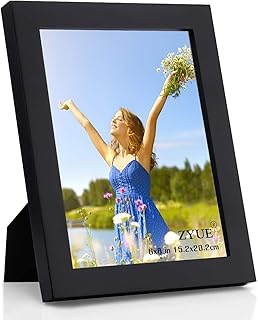
The notation '8x6' typically refers to a rectangular measurement where the first number (8) represents the length, and the second number (6) represents the width. The units are crucial and are often implied by the context—they could be inches, feet, millimeters, or centimeters. For instance, an 8x6 inch picture frame is vastly different from an 8x6 foot rug. In many industrial and commercial contexts, especially in North America, these dimensions are frequently in inches. It's always vital to confirm the unit of measurement when evaluating any 8x6 product to avoid costly mistakes.
Common Applications of the 8x6 Dimension
The 8x6 size is remarkably versatile and appears in numerous industries. Here are some of the most frequent applications:
- Construction & Lumber: Dimensional lumber, such as beams or posts, may be marketed as 8x6. It's important to note that nominal dimensions (like 8x6) often differ from the actual dimensions after planing and drying.
- Fabrication & Metalwork: Steel tubing, aluminum extrusions, and plastic sheets often come in an 8x6 rectangular profile, used for frames, supports, and machinery guards.
- Printing & Signage: Banner sizes, poster frames, and sign substrates are commonly available in an 8x6 foot format for medium-scale advertising or event signage.
- Home & Garden: Raised garden beds, small shed bases, and pre-cut patio stones often utilize this efficient rectangular footprint.
- Electronics Enclosures: Project boxes and instrument cases with an 8x6 inch base provide ample space for circuit boards and components.
Choosing the Right 8x6 Product: A Step-by-Step Guide
1. Define Your Project Requirements
Before you search for an 8x6 item, be crystal clear on its purpose. Ask yourself: Is it for structural support (requiring high strength), aesthetic display (requiring a fine finish), or temporary use (where cost-effectiveness is key)? The answer will guide your choice of material—wood, metal, plastic, or composite.
2. Confirm the Exact Dimensions and Tolerances
Never assume the units. A product listed as 8x6 could be 8x6 inches, feet, or even centimeters. Furthermore, check if the dimensions are external or internal (critical for things like boxes or tubing). Also, inquire about manufacturing tolerances. For a precision engineering project, a variance of ±0.1 inches might be unacceptable, whereas for a garden planter, it's irrelevant.
3. Material Matters: Selecting the Best Fit
- Wood: Offers a traditional look and is easy to work with. Pressure-treated lumber is best for outdoor 8x6 applications like posts. Check for warping and knots.
- Steel: Provides unmatched strength for structural applications. Consider galvanized steel for corrosion resistance.
- Aluminum: A great balance of strength and light weight, ideal for frames and portable structures. It's also naturally rust-resistant.
- Plastics (PVC, Acrylic): Perfect for corrosive environments, signage, or electrical insulation. UV-stabilized varieties are needed for outdoor use.
4. Evaluate Quality and Finish
Inspect product specifications for finish quality. Is the surface mill-finished, painted, powder-coated, or anodized? A powder-coated finish on a metal 8x6 beam will offer far greater durability and aesthetics than a raw, mill-scale surface. For wood, is it sanded smooth or rough-sawn?
5. Consider Sourcing and Sustainability
Where is the material sourced from? For wood, look for certifications like FSC (Forest Stewardship Council) if sustainability is a concern. For metals, some suppliers offer a higher percentage of recycled content. Local sourcing can also reduce the carbon footprint of your project.
Frequently Asked Questions About 8x6 Products
Q: Is an 8x6 timber actually 8 inches by 6 inches?
A: Not exactly. In North American lumber, a 'nominal' 8x6 timber is typically milled to a 'dressed' size of approximately 7.25 x 5.25 inches. Always check the actual dimensions provided by the supplier.
Q: Can I get an 8x6 product custom-cut?
A> Many suppliers, especially for metals, plastics, and glass, offer custom cutting services for a fee. This is ideal if your project requires a precise length that isn't a standard stock size.
Q: What's the weight of an 8x6 steel tube?
A> The weight depends on the wall thickness (gauge) and the type of steel. You would need to calculate it using the dimensions, thickness, and material density, or consult the supplier's technical data sheet.
Conclusion: Mastering the 8x6 Specification
The 8x6 dimension is far more than just numbers on a page; it's a gateway to a wide array of solutions for building, creating, and designing. By understanding its common applications, carefully defining your needs, and methodically evaluating material, quality, and sourcing options, you can confidently select the perfect 8x6 product. Whether you're constructing a sturdy shed base from timber, fabricating a machine frame from aluminum extrusion, or simply framing a poster, this knowledge empowers you to make informed, successful purchasing decisions. Remember, the key lies in the details—always confirm the units, understand the tolerances, and choose the material that aligns with your project's functional and aesthetic goals.